A Delta Air Lines flight from Boston to Tampa briefly stopped taxiing Friday morning after a passenger’s cat escaped its carrier inside the cabin.

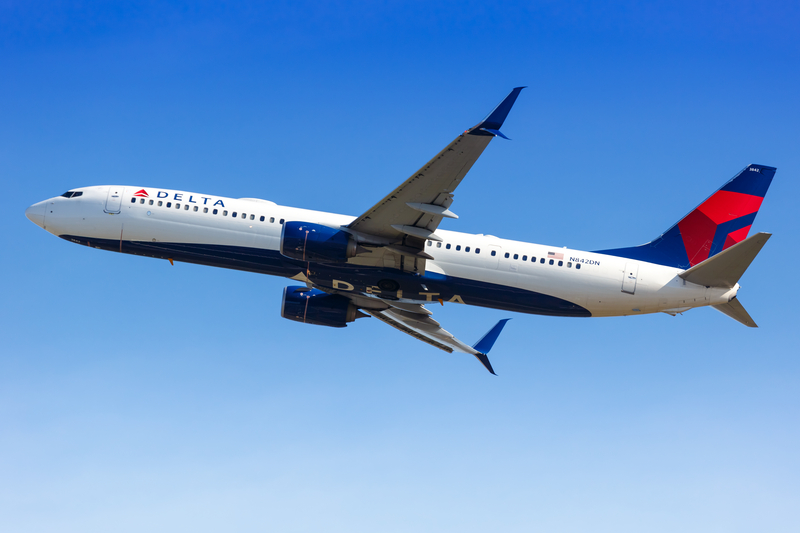
Delta Flight 2706 was moving toward departure at Boston Logan (BOS) on November 20 when the crew advised air traffic control that it needed a place to hold because of a cabin issue. The controller directed the Boeing 737-900ER to continue forward and hold short of Taxiway F, offering assistance that the crew declined.
Once the cat had been returned to its carrier, the pilots told ground control what had caused the interruption and requested permission to resume taxiing. The aircraft continued toward the runway and departed without returning to the gate.
Read our stories in your inbox
Two aviation newsletters. Zero fluff.
The interruption added roughly 15 minutes to the departure sequence. Flight tracking records show DL2706 left BOS at about 7:43 a.m., compared with its scheduled 7:20 a.m. departure. It reached Tampa (TPA) at approximately 10:39 a.m., ahead of a scheduled 10:52 a.m. arrival.

A Cabin Issue That Had To Be Resolved Before Takeoff
Although the event was minor, the crew’s decision to stop was operationally straightforward. A loose animal makes it impossible to treat the cabin as secured for takeoff, particularly if flight attendants must leave their jumpseats to find and restrain it.
The FAA’s guidance on flight deck and cabin crew coordination calls for flight attendants to notify pilots when pretakeoff duties are complete and the cabin is secure. It also stresses the need for coordination when an aircraft stops during taxi, allowing cabin crew enough time to finish their work and take their assigned seats.
Continuing toward the runway while the cat remained loose would have risked reaching the departure queue without a takeoff-ready cabin. Stopping on the taxiway gave the flight attendants time to recover the animal while the pilots coordinated the pause with ground control.
The exchange did not indicate that airport emergency services were required. After the animal was secured, the flight rejoined the taxi sequence and continued normally.
Delta Requires Cabin Pets To Remain Secured
Delta permits small dogs, cats and household birds to travel in the passenger cabin on eligible domestic flights, subject to space, age and carrier requirements. The carrier counts the kennel as a passenger’s carry-on item, although the customer may also bring one additional personal item or carry-on bag.
Under Delta’s published pet travel rules, an animal must remain calm and secured inside its kennel while in the airport and aboard the aircraft. The kennel must fit completely beneath the seat in front of the passenger, and the animal must be able to fit inside without protruding through its sides.
The airline recommends a soft-sided carrier measuring no more than 18 by 11 by 11 inches because that size fits beneath the seats on most aircraft. Delta also warns that failure to keep an animal secured can result in the customer losing the ability to travel with a pet on future flights.
The rules reflect more than passenger comfort. An unsecured pet can move into an aisle, beneath other seats or toward a galley or exit area. During taxi and takeoff, cabin crew members also need to complete compliance checks and occupy their jumpseats rather than search the cabin for an animal.
Flight 2706 Operated With a Boeing 737-900ER
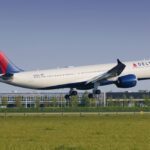
DL2706 was operated by a Boeing 737-900ER, the longest member of Boeing’s 737 Next Generation family. Delta uses the type extensively on medium-haul domestic sectors where its capacity sits between smaller narrowbodies and the airline’s larger Airbus A321 fleet.
Delta’s published 737-900ER configurations include a 180-seat layout with 20 First Class seats, 27 Delta Comfort+ seats and 133 Main Cabin seats. The airline also lists a 173-seat version with 12 First Class, 24 Comfort+ and 137 Main Cabin seats.
Delta gives the type a range of 2,810 miles, comfortably exceeding the roughly 1,190-mile Boston-Tampa sector. The aircraft’s capacity and range make it well suited to the north-south leisure and visiting-friends-and-relatives demand carried between New England and Florida.
Despite the taxi interruption, the schedule contained enough margin for the flight to recover the delay before arrival. The aircraft completed the trip without a diversion or further reported disruption.
Bottom Line
The event shows why an apparently small cabin problem can bring a departure sequence to an immediate stop. Once an aircraft is taxiing, the cabin crew is moving toward takeoff positions and the pilots are working through a tightly managed runway queue. Pausing before reaching that queue was the least disruptive option and prevented an unsecured cabin from becoming a time-critical issue at the runway.
For Delta, the operational impact was limited to a short taxi delay that was recovered during the flight to Tampa. For passengers traveling with pets, the episode is a reminder that the carrier is part of the aircraft’s safety setup, not simply a convenient way to transport an animal through the terminal. A properly closed kennel keeps the pet, crew and other passengers out of a problem that becomes much harder to manage once the aircraft leaves the gate.