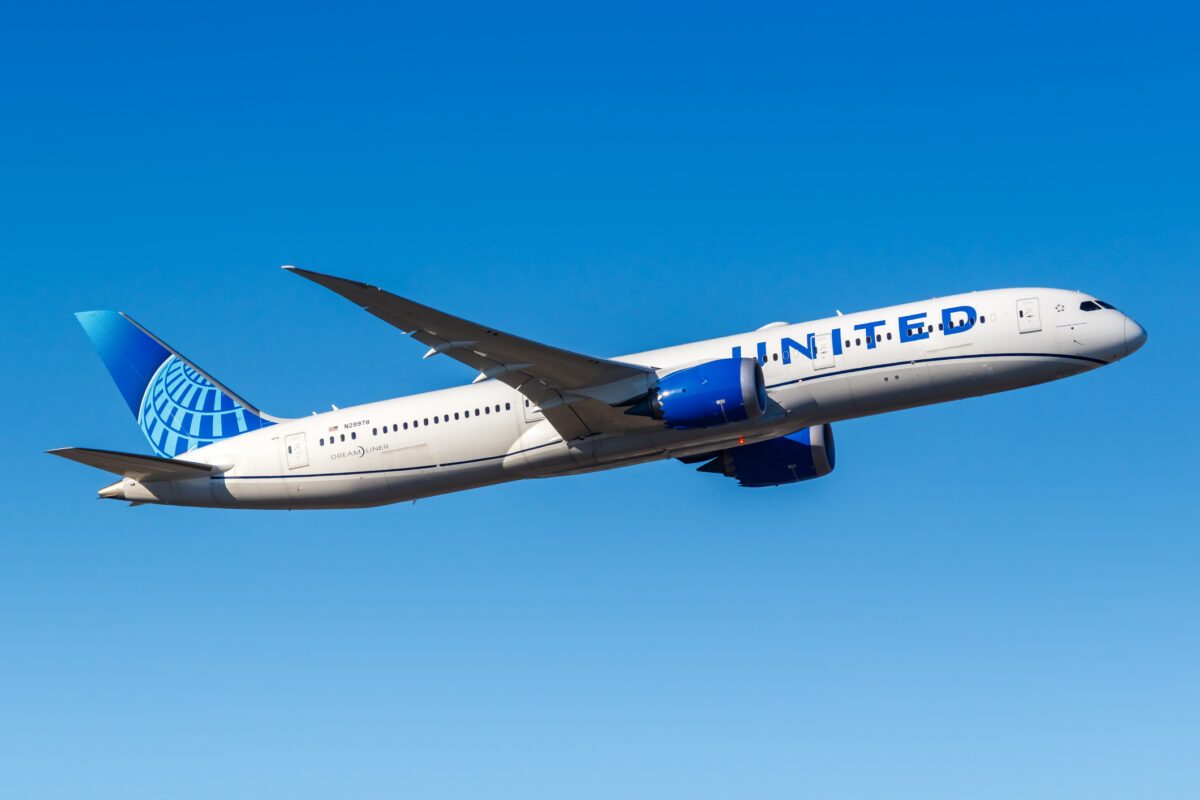
A United Airlines Boeing 787-9 operating from Tel Aviv to Newark diverted to Athens early Monday after an odor was reported in the passenger cabin.

Flight UA168 departed Tel Aviv Ben Gurion (TLV) shortly before 1 a.m. local time on November 9, 2026, for Newark Liberty (EWR). The aircraft turned toward Athens (ATH) over the eastern Mediterranean rather than continuing west for the transatlantic portion of the flight.
United said the flight landed safely in Athens so that the odor could be addressed. Passengers left the aircraft normally, and the airline arranged onward transportation to Newark using another aircraft.
Read our stories in your inbox
Two aviation newsletters. Zero fluff.
Flight-history data for UA168 identifies the diverted aircraft as Boeing 787-9 N24993. The same record shows the Tel Aviv-Newark sector ending at Athens and a planned continuation from ATH to EWR being canceled.
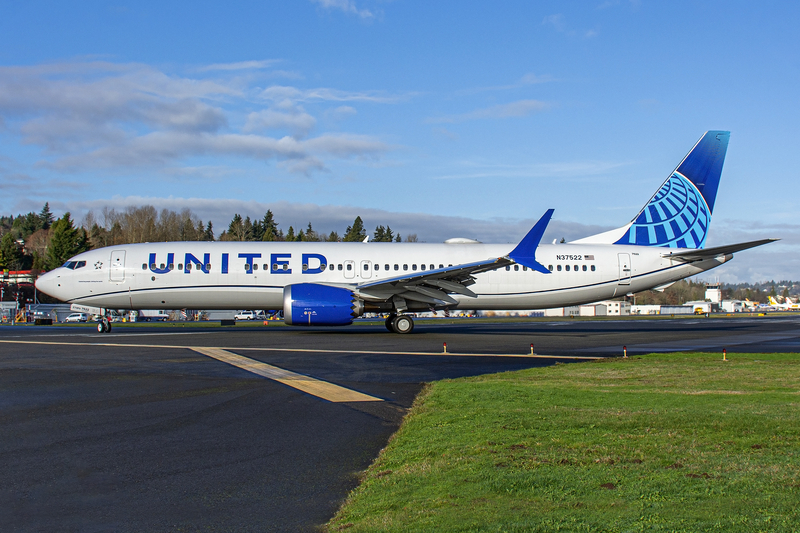
UA168 Reached Athens About Two Hours After Departure
UA168 was scheduled to leave TLV at 12:50 a.m. local time and depart on a journey of slightly more than 12 hours. Tracking data shows it left close to schedule and reached Athens after approximately two hours in the air.
The diversion kept the aircraft close to major maintenance and emergency-response facilities rather than committing to a long overwater crossing while the source of the odor remained uncertain. Cabin odors can originate from several aircraft or cabin sources, and their severity is not always apparent to a crew in flight. A precautionary landing allows maintenance personnel to inspect the aircraft before it is returned to service.
United described the issue only as an odor in the cabin. The carrier did not identify its source or characterize the event as a fire. The normal deplaning in Athens also avoided the additional complications of an emergency evacuation.
The diversion brought N24993 into ATH with the fuel and passenger load prepared for a nonstop flight to the United States. The Boeing 787 airport planning document lists a maximum design takeoff weight of up to 571,500 pounds for the 787-9, compared with a maximum design landing weight of 425,000 pounds. The difference is operationally relevant when a long-haul aircraft returns to the ground soon after departure, although United has not detailed the landing-weight management used by UA168.
United Added an Athens-Newark Recovery Flight
United subsequently placed a special Athens-Newark sector into its schedule as UA3900. Published flight data for UA3900 showed the recovery service planned from ATH to EWR on November 10, giving the airline a nonstop means of moving the affected passengers rather than dispersing them across connecting itineraries.
A dedicated recovery flight also helps protect the rest of the network. Rebooking more than a planeload of long-haul passengers through European hubs can consume inventory on several services, while checked baggage and customers requiring assistance become more difficult to keep together. An extra section contains that disruption to one operation.
Athens is better suited than many airports in the eastern Mediterranean to support such a recovery. United operates its own transatlantic service from ATH, giving it established passenger-handling, fueling and ground-support relationships at the airport. The airport can also accommodate the 787 without the handling limitations that might complicate a widebody diversion at a smaller field.
The 787-9 Is Central to United’s Long-Haul Network
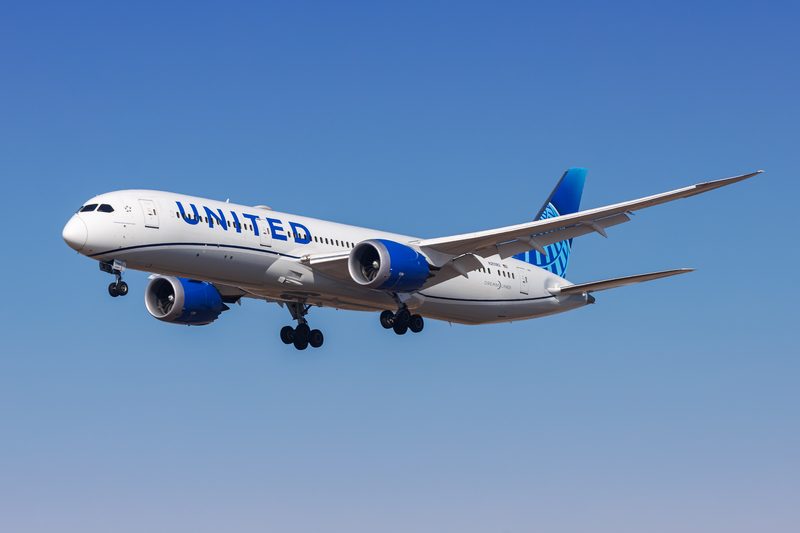
The 787-9 is the middle and longest-range-focused member of the Dreamliner family, sitting between the shorter 787-8 and higher-capacity 787-10 in United’s fleet. United has historically configured the type with approximately 257 seats, although the airline is also introducing a denser premium mix on its latest 787-9 interior.
In an April 2026 investor filing, United said its new 787-9 interior would provide 99 premium seats, including 64 United Polaris seats and the Polaris Studio product. The carrier is using the aircraft’s range and premium capacity on some of its longest international sectors.
That combination also makes the 787-9 a logical fit for Tel Aviv-Newark. The route requires an aircraft capable of flying a lengthy westbound mission while carrying a substantial premium cabin and connecting traffic through EWR. United’s financial disclosures have described the 787 family as its new generation of midsize, long-range widebody aircraft.
The Tel Aviv operation has also required repeated schedule adjustments in response to regional security conditions. United said in its third-quarter 2026 results that it resumed Newark-Tel Aviv service in early September. UA168’s diversion was an aircraft-specific operational event rather than another suspension of the route.
Aircraft Inspection Will Determine the Next Step
N24993 remained the focus of the technical response in Athens following the diversion. The aircraft is registered in the United States as N24993, with its registration searchable through the Federal Aviation Administration aircraft registry.
Maintenance personnel must identify the source of an odor before releasing an aircraft for further passenger service. That process can include checks of cabin equipment, electrical components, galleys, lavatories, environmental-control systems and items brought aboard the aircraft. United has not announced a technical finding.
UA168 remained on United’s schedule for subsequent Tel Aviv-Newark operations, indicating that the diversion did not result in a broader cancellation of the flight number or route.
Bottom Line
The immediate operational gain came from diverting before UA168 began the long transatlantic portion of its journey. Athens gave the crew a nearby widebody-capable airport and gave United access to an established station from which it could inspect the aircraft and organize a nonstop recovery operation.
The event also shows the network cost attached to removing a 787 from service away from a major United hub. One cabin report can require accommodation, a special flight, maintenance support and a revised aircraft rotation extending well beyond the original sector. United’s ability to schedule UA3900 limited the number of passengers who had to be absorbed by other transatlantic flights.
The next relevant development is the maintenance finding for N24993. If the odor came from a localized cabin item, the aircraft could return quickly after inspection and corrective work. A finding involving a larger aircraft system would carry more significant implications for its return to United’s long-haul schedule.