Transportation Security Administration officers found two live snakes inside a passenger’s checked suitcase at Ontario International Airport (ONT), prompting a temporary pause in part of the airport’s baggage screening operation.
The animals had been placed inside a pillowcase. According to the TSA’s account of the incident, an X-ray image initially made the contents look like rope. TSA Officer Benjamin Andrade-Carillo opened the suitcase for a physical inspection and realized that the object he was handling was alive.
Andrade-Carillo alerted a supervisor rather than continuing to handle the pillowcase. Supervisory TSA Officer Suggey Flores then felt the bundle tense and move, leading the team to notify TSA management, airport police and the passenger’s airline.
Read our stories in your inbox
Two aviation newsletters. Zero fluff.
Officers established that the pillowcase contained two snakes, one of which was identified as a rattlesnake. No one was bitten or otherwise injured.
Police Removed the Bag From the Screening Area
TSA suspended screening in the immediate area while officers assessed the risk. The localized pause did not delay the airport’s wider screening operation, the agency said.

Airport police took control of the suitcase and moved it to the airline ticketing area. The passenger removed the snakes and handed them to a family member who was not traveling. TSA then screened the suitcase again and cleared it for transport, allowing the passenger to continue the journey without the reptiles.
The passenger described the snakes as pets and told officials that they had previously traveled on another airline. That did not resolve the immediate problem at ONT: the animals had arrived in an ordinary piece of checked luggage, inside a soft pillowcase, without the secure container and advance coordination required for transporting unusual live animals.
Airline acceptance is separate from TSA security clearance. Carriers set their own restrictions on the species they will transport, the routes on which animals can be accepted and the design and labeling of containers. Approval on an earlier trip or by another carrier does not establish that an animal will be accepted on a later flight.
A Checked-Bag Alarm That Required Human Resolution
The incident occurred within the checked-baggage screening system rather than at a passenger checkpoint. After a traveler hands over a suitcase, it is screened before entering the baggage handling system and being released for loading.
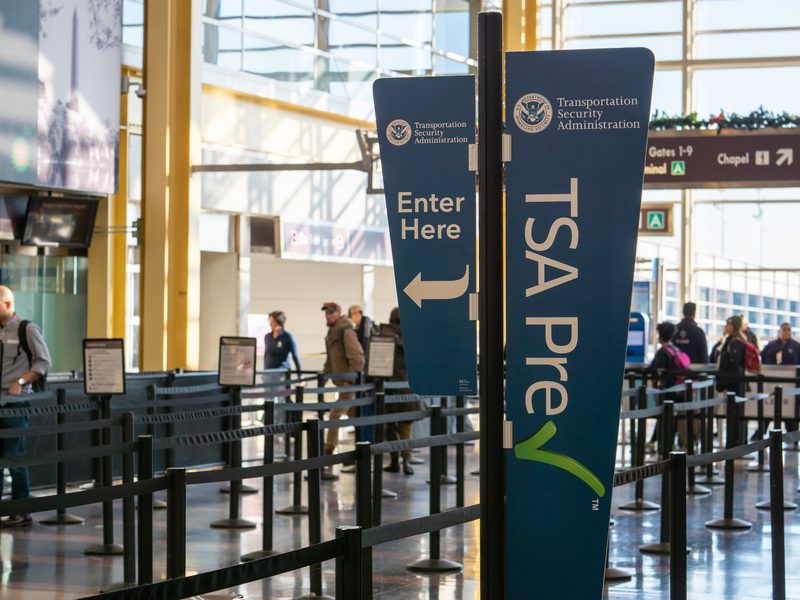
TSA’s checked-baggage screening framework uses explosive detection systems for the initial examination of most bags. Images that cannot be resolved by an officer are escalated, and some bags undergo a physical search supported by explosive trace detection equipment.
That process is primarily designed to identify explosives and other security threats, not to classify animals. In this case, an image resembling coiled rope brought the suitcase to an officer’s attention, while the physical inspection established that the contents presented a different kind of hazard.
The response also illustrates why an unresolved checked-bag alarm cannot be treated solely as an image-analysis problem. Once Andrade-Carillo felt movement, the priority shifted from clearing the bag to controlling the inspection area and bringing in supervisors and police. Moving the suitcase to the ticketing area kept the animals away from the baggage system while allowing officials to involve the owner.
A snake escaping farther downstream could expose TSA staff, airline ground workers and baggage handlers to an animal whose species and condition were not immediately known. A loose reptile inside a baggage system or aircraft hold could also force a search, interrupt loading and take equipment or an aircraft out of service.
Ontario’s Screening Operation Continues to Grow
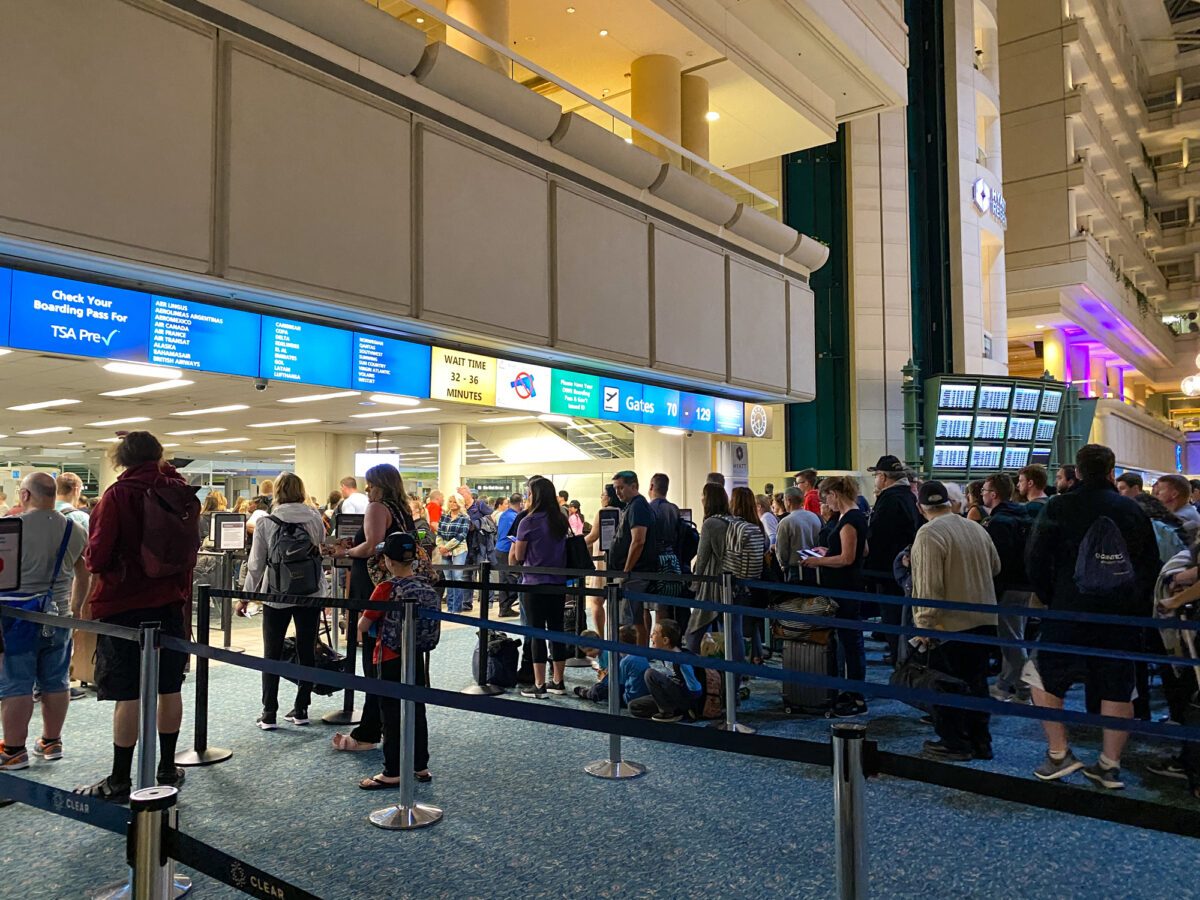
ONT operates passenger checkpoints in Terminals 2 and 4, while checked bags move through a separate behind-the-scenes screening process. The airport’s published security information directs travelers to review TSA and airline requirements before packing.
The airport recently completed an $11 million expansion of its passenger screening areas, adding two lanes in Terminal 2 and one in Terminal 4. Those public checkpoint improvements are distinct from the checked-bag system involved in the snake discovery, but both depend on officers being able to isolate an unusual item without unnecessarily disrupting the rest of the operation.
TSA publicized the incident on November 13, several weeks after it occurred. Andrade-Carillo, who had worked for the agency for two years, said it was the first discovery of its kind in his TSA career. His previous unusual animal encounter involved a passenger attempting to carry live lobsters through screening in San Diego.
Bottom Line
The immediate benefit came from a measured escalation rather than an elaborate technical response. Andrade-Carillo stopped handling the pillowcase, supervisors contained the inspection and airport police moved the suitcase out of the baggage environment. That sequence protected employees while preserving the passenger’s ability to travel after the animals had been removed.
The case is also a reminder that live-animal transport cannot be improvised at the check-in counter. TSA screening is not a substitute for airline acceptance, suitable containment or advance disclosure. Travelers carrying uncommon species need affirmative approval from the operating airline, and a soft bag inside a conventional suitcase is not an adequate transport arrangement—particularly when a venomous animal may be involved.
For airports and airlines, the operational risk extends beyond the animal itself. An unsecured live animal can stop a screening lane, interrupt baggage flow and expose several groups of workers before a suitcase reaches an aircraft. ONT avoided that wider disruption, but the discovery shows how quickly an unusual checked-bag alarm can become a workplace-safety and ground-operations event.