United Airlines has begun introducing personal Spotify account access through its seatback entertainment system, extending the carrier’s partnership with the audio platform beyond the curated onboard library launched in 2025.

The new function is rolling out on aircraft equipped with both Starlink connectivity and compatible seatback displays. Passengers can pair their own Spotify accounts with the screen, giving them access to saved music, podcasts, audiobooks, recommendations and other personalized content during the flight.
Spotify announced the rollout on November 5, describing it as the first time the company has brought personal account streaming to airline seatback displays. The deployment will continue across additional United aircraft through 2027.
Read our stories in your inbox
Two aviation newsletters. Zero fluff.
Passengers Pair Their Accounts With a QR Code
The login process uses the passenger’s phone rather than requiring account credentials to be entered into the aircraft’s entertainment system. After connecting the phone to the “United” Wi-Fi network, the passenger opens Spotify on the seatback display and scans the QR code shown on the screen.
Pairing is then confirmed on the phone. Passengers already signed in to Spotify on their device connect automatically, while others can log in or create an account through the mobile interface. A Wi-Fi pass and MileagePlus login are not required when using Spotify through the seatback system.
Once paired, the seatback app provides access to Spotify’s personalized Home feed, Your Library and saved playlists. Depending on the passenger’s subscription and market, the interface can also offer features including Spotify DJ, music videos and video podcasts.
The touchscreen remains the primary interface, but a paired phone can serve as a remote for browsing and playback control. Audio continues while passengers use other seatback functions, including the moving map, with a compact player remaining available on screen.
Spotify Free and Premium accounts are supported, although advertising, playback controls and content availability continue to depend on the account tier and country. The system automatically signs the passenger out at the end of the flight, and users can also end the session manually. Account credentials are not entered or stored on the seatback display.
Starlink Moves Beyond Passenger Wi-Fi
The Spotify application demonstrates how United is beginning to use Starlink as more than a passenger internet connection. The low-Earth-orbit system supplies the bandwidth needed for a seatback platform to retrieve a passenger’s current library and stream content rather than relying entirely on media loaded onto the aircraft before departure.
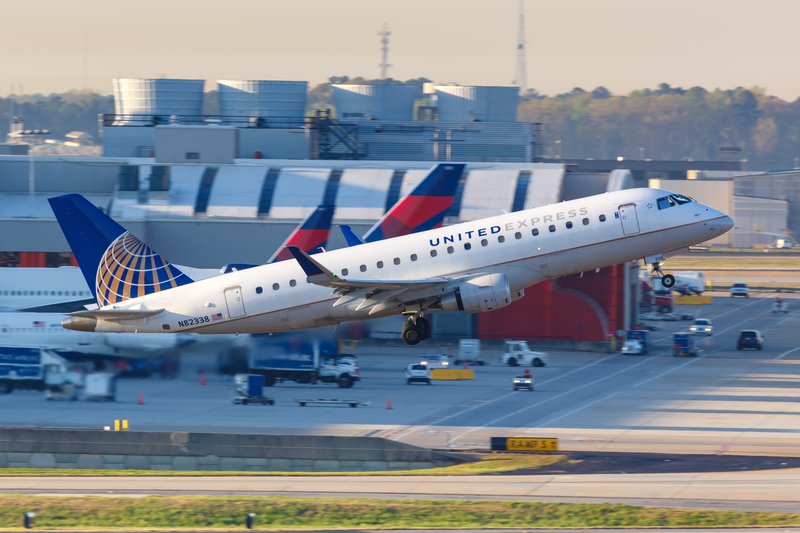
United said in its third-quarter 2026 update that Starlink had been installed on more than 640 aircraft and was available on about half of its flights. The airline was equipping approximately three aircraft per day and expected Starlink coverage to reach 61% of flights by the end of 2026, 87% by June 1, 2027, and the full fleet by the end of 2027.
The installation program already covers United Express regional aircraft as well as a growing share of the mainline fleet. For the Spotify seatback product, however, the relevant footprint is the overlap between Starlink-equipped aircraft and aircraft carrying United’s connected entertainment screens.
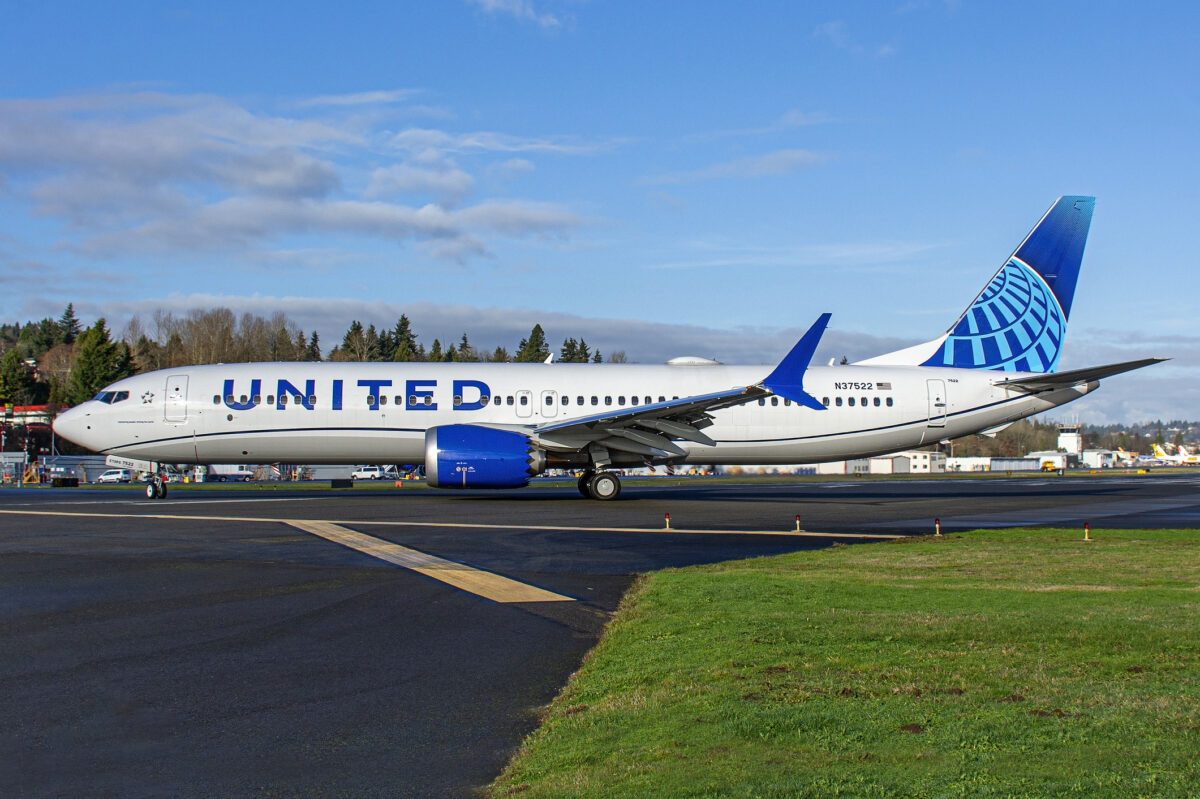
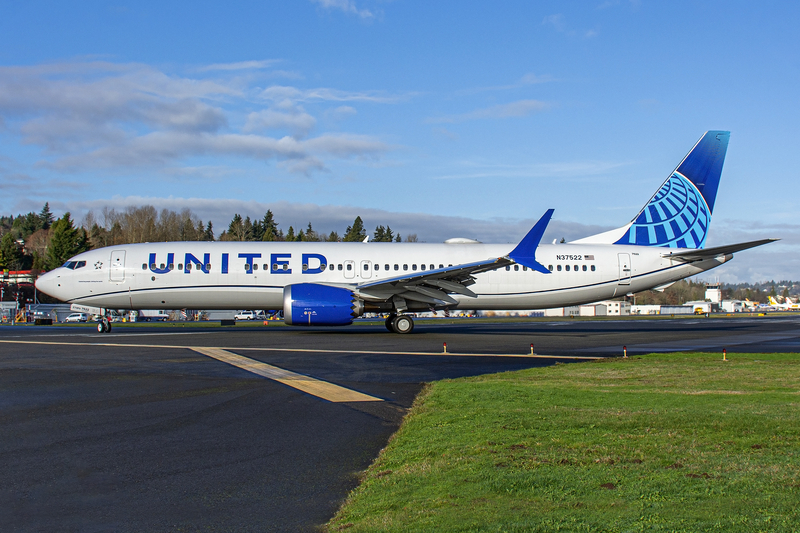
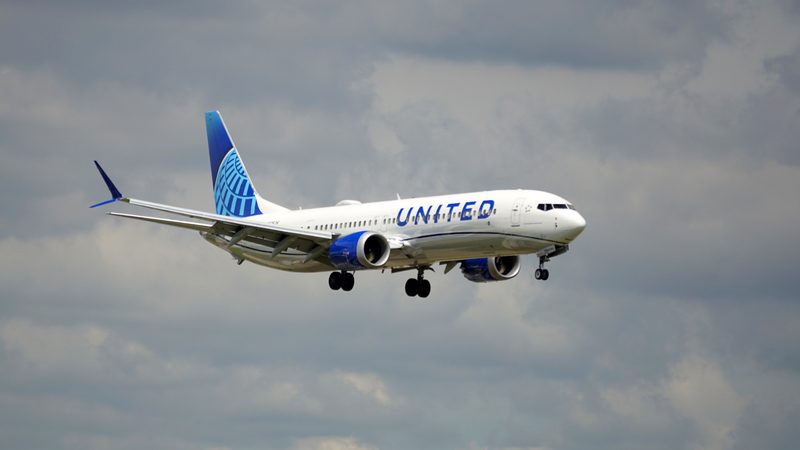
That overlap is growing as the airline receives new narrowbodies and continues cabin retrofits. United’s Boeing 737 MAX 8 was the initial platform for the carrier’s signature narrowbody interior, with 13-inch high-definition displays in United First and 10-inch displays in economy, alongside Bluetooth audio, USB charging and in-seat power.
United set out that cabin strategy in its United Next fleet plan, which made seatback entertainment standard on new Boeing 737 MAX and Airbus A321neo aircraft and called for the existing mainline narrowbody fleet to be upgraded. The combination of embedded displays and high-capacity connectivity gives United a platform for live and account-based services that conventional preloaded entertainment systems cannot provide.
Partnership Started With a Curated Library
United and Spotify began their onboard partnership in June 2025 with more than 450 hours of selected playlists, podcasts and audiobooks available without an individual Spotify login. That content was distributed across more than 130,000 United seatback screens, many with 4K resolution and Bluetooth compatibility.
The original agreement also allowed passengers on Starlink-equipped flights to use Spotify on their own phones and tablets through United’s free Wi-Fi service. Access on personal devices requires a MileagePlus login, unlike the new seatback pairing process.
Spotify said at the time that personalized seatback access was planned for 2026. The November launch delivers that second phase while retaining the curated channel for aircraft or flights where account pairing is not yet available.
The difference is significant for longer journeys. The original library offered a fixed selection chosen for the aircraft, while the authenticated app allows a passenger to resume an audiobook, podcast or playlist at the same point and with the same recommendations available outside the aircraft.
Bottom Line
United gains more from this rollout than another entertainment tile. Personal Spotify access connects two of the airline’s largest cabin investments: a broad seatback-screen program and an aggressive Starlink installation schedule. Either product can stand alone, but their combination allows United to offer a connected seatback environment that behaves more like a passenger’s own device.
The function also gives passengers a reason to use the embedded screen even when they have downloaded content to a phone or tablet. A larger display, Bluetooth audio, charging at the seat and continuity with an existing Spotify account reduce the appeal of balancing a personal device for an entire flight. For United, that helps justify retaining seatback hardware while several competitors have favored streaming entertainment to passenger-owned devices.
The key measure will be consistency. Spotify will initially appear only where the required connectivity, screen hardware and software are all present, leaving different experiences across the fleet during the transition. As Starlink and cabin retrofits advance through 2027, United will have a larger base on which to add other authenticated services, live programming and cloud-delivered content without waiting for the next conventional entertainment-system refresh.