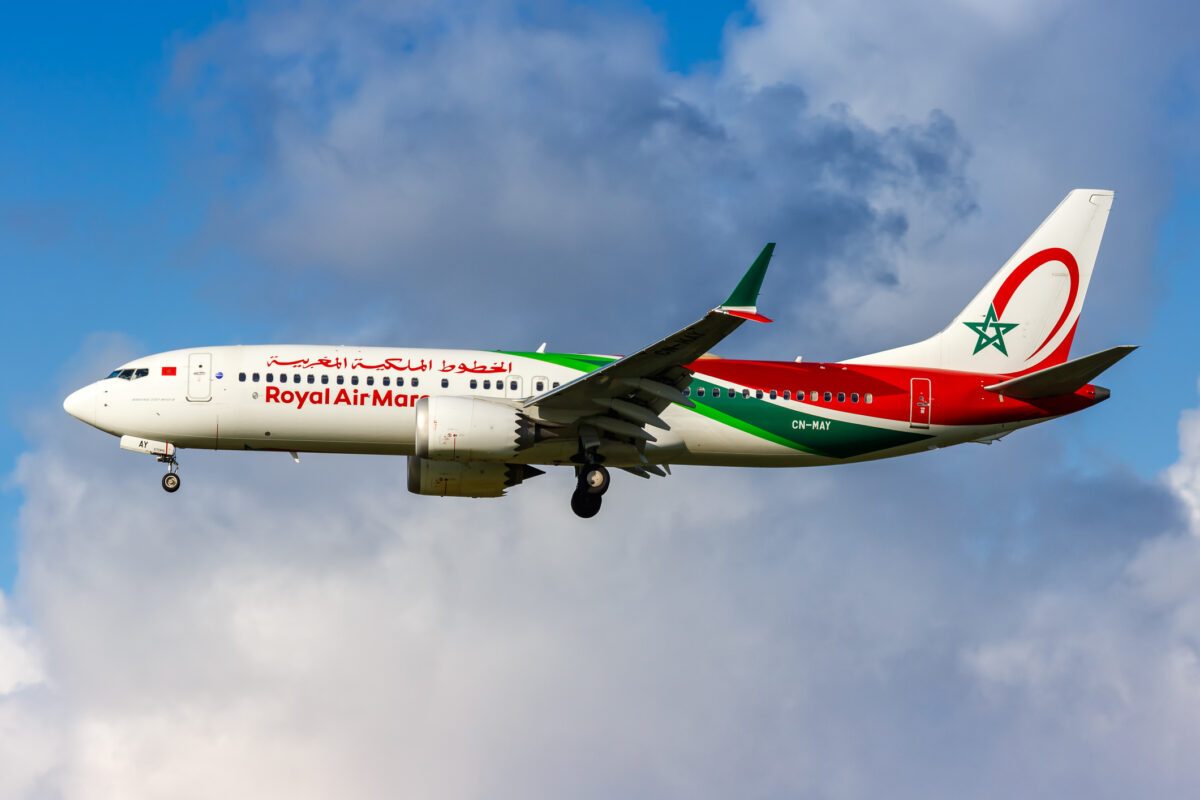
Royal Air Maroc plans to expand its passenger fleet to 80 aircraft by October 2027, with a Boeing-heavy delivery program offset partly by the withdrawal of its six ATR turboprops.
The target, set out in Morocco’s 2027 public-enterprise planning documents, represents net growth of nine aircraft from the 71-passenger-aircraft fleet recorded in October 2026. Royal Air Maroc expects to introduce 15 aircraft during 2027: 13 Boeing 737 MAX 8s and two Embraer E190-E1 regional jets. Six ATR 72-600s are scheduled to leave the operation.
The plan follows a rapid buildup during 2026. Royal Air Maroc’s total fleet increased from 60 aircraft at the beginning of the year to 73 in October after 14 additions and one retirement. The wider count includes aircraft outside the passenger fleet used for the 80-aircraft target.
Read our stories in your inbox
Two aviation newsletters. Zero fluff.
Casablanca Mohammed V (CMN) will remain the center of that growth. The additional narrowbodies give the airline more scope to increase frequencies across its European and African network while feeding long-haul departures through CMN.
DAE Lease Covers the 2027 MAX Intake
The planned 13-aircraft Boeing 737 MAX 8 intake matches Royal Air Maroc’s agreement with DAE Capital. The lessor announced the long-term leases in January 2026, with all 13 aircraft scheduled for delivery during 2027.
Royal Air Maroc Chairman and CEO Abdelhamid Addou said at the time that the aircraft would support new routes and higher frequencies while improving the airline’s flexibility across markets linking Africa and Europe.
The agreement extended an existing relationship under which DAE delivered two Boeing 737 MAX 8s to Royal Air Maroc in 2025. A separate transaction with Aviation Capital Group supplied another six during 2026. ACG delivered the first aircraft in March and completed the six-aircraft placement in October.
Royal Air Maroc publishes Boeing 737 MAX 8 configurations of either 156 or 189 seats. Boeing gives the type a range of up to 3,500 nautical miles, allowing it to cover the carrier’s core short- and medium-haul network as well as longer sectors within Africa and toward the Middle East.
The MAX also preserves commonality with Royal Air Maroc’s large Boeing 737-800 fleet. The airline’s published fleet information lists the older model with 159 to 162 seats, putting the MAX in broadly the same capacity category while adding the performance and economics of the newer-generation airframe and CFM LEAP-1B engines.
Embraer Jets Replace Some of the ATR Capacity
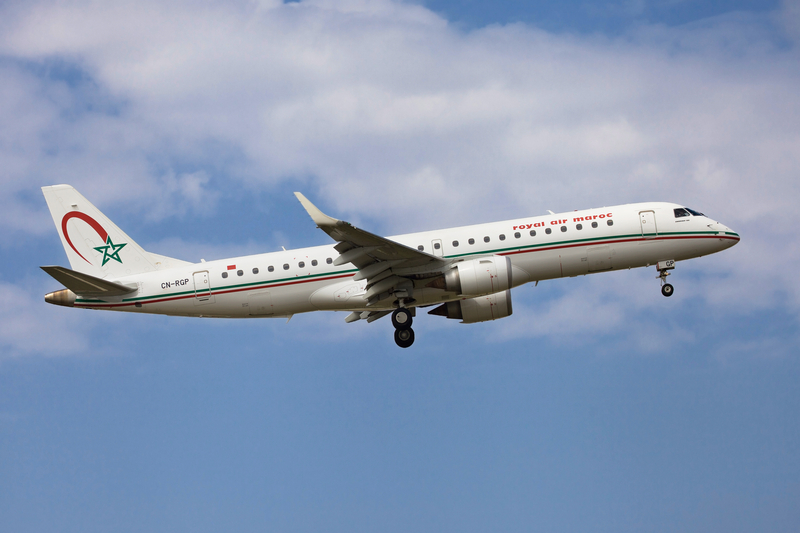
The two Embraer E190-E1s will strengthen the smaller end of the jet fleet. Royal Air Maroc configures the E190 with 96 seats, compared with 70 on its ATR 72-600s. The regional jets sit below the 737 in capacity and are suited to routes where a mainline narrowbody would add too many seats.
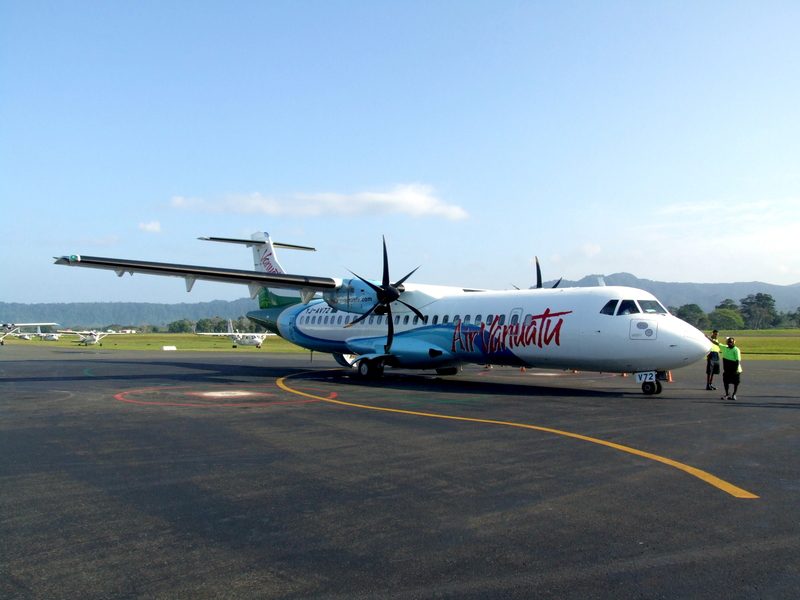
If all six ATRs leave as planned, the turboprop category will disappear from Royal Air Maroc’s published fleet. That marks a significant change for domestic and short regional flying, where the ATR has provided the airline with its lowest-capacity passenger aircraft.
The mix also increases average gauge. Using Royal Air Maroc’s published seating figures, the 13 MAX aircraft and two E190s would add between 2,220 and 2,649 seats. Removing six 70-seat ATRs produces a net increase of about 1,800 to 2,229 installed seats, depending on the MAX configurations delivered.
That capacity increase is substantially larger than the nine-aircraft net fleet gain suggests. It gives the airline room to grow frequencies and replace temporary capacity without relying solely on a higher aircraft count.

The Next Step Toward a 200-Aircraft Fleet
The October 2027 objective forms part of the development agreement signed by Royal Air Maroc and the Moroccan government in July 2023. The program provides for the fleet to grow from about 50 aircraft at its starting point to 200 by 2037, backed by state investment and a broader expansion of Morocco’s air links.
Morocco’s Finance Ministry described the agreement as a 15-year program intended to support new international destinations, regional connectivity and the country’s wider tourism strategy.
Reaching 80 aircraft in 2027 would put Royal Air Maroc 30 aircraft above the program’s starting point, but still leave 120 aircraft between the carrier and its 2037 objective. The required gross intake will be higher because part of the coming delivery stream must replace existing aircraft rather than provide growth.
The airline is also preparing the cabin and onboard product for a larger operation. Royal Air Maroc has said 41 Boeing narrowbody and long-haul aircraft will progressively receive Starlink connectivity beginning in early 2027. That rollout will overlap with the largest single-year fleet increase disclosed under the current expansion program.
Bottom Line
The 2027 plan gives Royal Air Maroc a much larger pool of narrowbody capacity without introducing a new mainline aircraft family. The Boeing 737 MAX 8 can be placed into the airline’s existing 737 operation, allowing the carrier to concentrate the increase on schedule depth, new destinations and improved aircraft availability rather than building an entirely separate operational platform.
The ATR withdrawal is the more consequential fleet decision. Removing all six turboprops simplifies the fleet, but it also takes away Royal Air Maroc’s smallest and most specialized aircraft for short sectors. The additional Embraer E190-E1s provide a partial replacement at a higher seat count, making the deployment of the airline’s regional fleet an important indicator of how it intends to serve thinner domestic and nearby international markets.
Attention will now turn to delivery sequencing. Royal Air Maroc must induct 15 aircraft and remove six within roughly ten months to reach the October target. The pace of the DAE deliveries, the routes selected for the extra MAX capacity and the handling of the ATR network will show whether the 80-aircraft milestone is simply a fleet number or the start of the sustained annual growth needed to reach 200 aircraft by 2037.