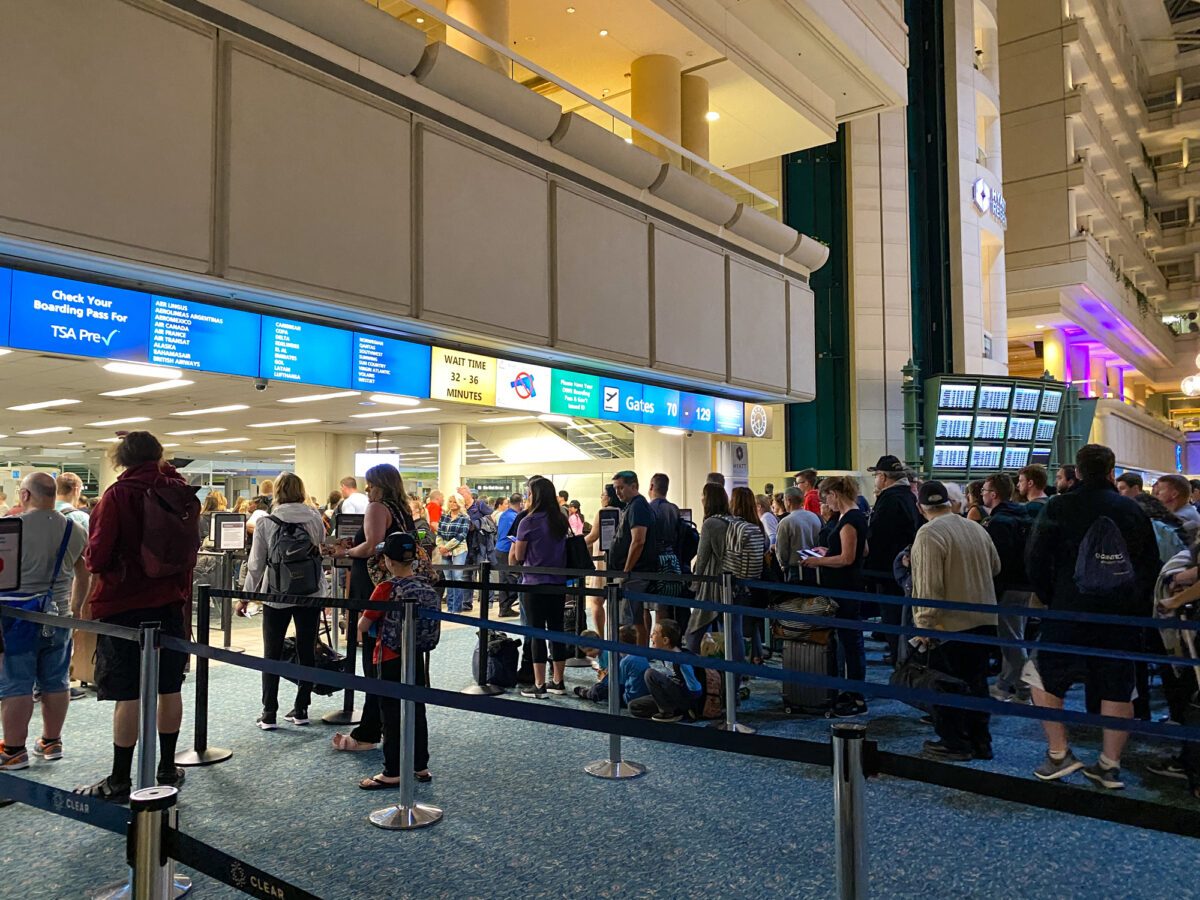
The Transportation Security Administration has expanded its military checkpoint program, giving service members, veterans and eligible family members access to dedicated queues or front-of-line privileges at airports across the United States.
TSA’s current military-lane guidance names 32 airports with designated arrangements. The list spans major connecting hubs including Atlanta (ATL), Denver (DEN), Los Angeles (LAX) and Seattle (SEA), as well as airports serving communities with a substantial military presence.
The agency also tells eligible passengers traveling through airports without a dedicated lane to present valid military or veteran identification to the checkpoint lane monitor and request front-of-line service.
Read our stories in your inbox
Two aviation newsletters. Zero fluff.
That wording makes the benefit potentially broader than the published airport list. Local implementation, however, depends on checkpoint layout, staffing and the arrangements between TSA and the airport operator.
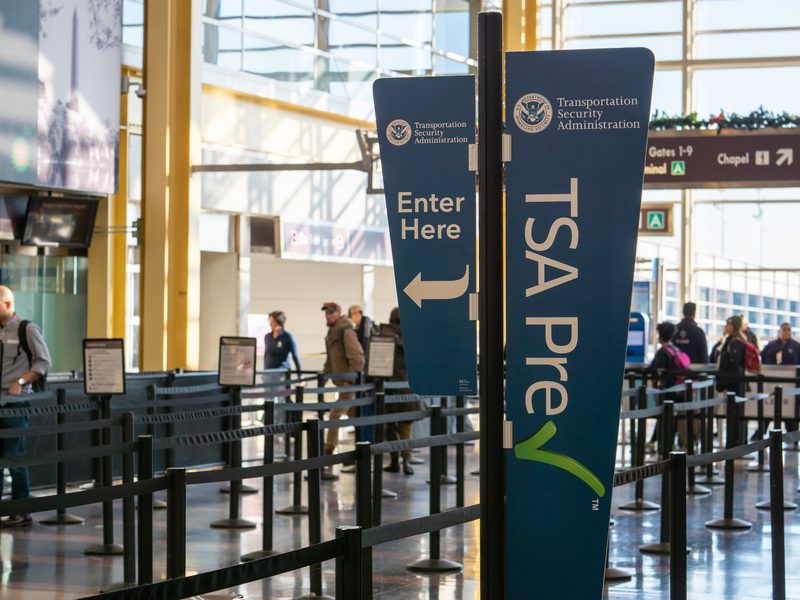
Honor Lanes Are Not the Same as TSA PreCheck
The most important distinction is between priority access and expedited screening. An Honor Lane can shorten the queue before document inspection and physical screening, but it does not by itself confer TSA PreCheck status.
A veteran using an Honor Lane without TSA PreCheck remains subject to the screening procedures applicable to the general checkpoint population. The traveler receives a place closer to the front, not a different security assessment.
Active-duty personnel and eligible Department of Defense civilians have a separate route to TSA PreCheck. They can enter their 10-digit DoD identification number as the Known Traveler Number in an airline reservation. The Defense Travel Management Office says that benefit covers service members, reservists, National Guard personnel, Coast Guard members and eligible DoD civilian employees.
Retirees and most veterans do not receive free TSA PreCheck solely because of prior service. Consequently, the Honor Lane gives those groups a queue-management benefit while preserving the distinction between proof of military service and enrollment in a trusted-traveler program.
TSA began the underlying “Serve with Honor, Travel with Ease” initiative in July 2025. Its initial package combined checkpoint priority for military personnel with free TSA PreCheck enrollment for Gold Star families, a $25 enrollment discount for military spouses and mobile enrollment events near major installations.
Proof of Service and Identity Are Required
Travelers do not have to be in uniform, except where a local restriction applies. TSA’s airport list currently identifies Austin (AUS) as available only to active-duty military travelers and San Antonio (SAT) as requiring the traveler to be in uniform.
For veterans, the agency divides supporting documents into two categories. A Veteran Health Identification Card, a DoD Uniformed Services ID or a state-issued driver’s license or identification card carrying an official veteran designation can establish veteran status and satisfy checkpoint identity requirements.
A Veteran ID Card, Department of Veterans Affairs proof-of-service letter or state or county veteran card establishes service history but must be accompanied by another form of identification accepted at the checkpoint.
The Honor Lane also does not exempt anyone from additional screening. TSA can redirect any passenger when required by its security procedures, regardless of military status, TSA PreCheck membership or the queue used to enter the checkpoint.
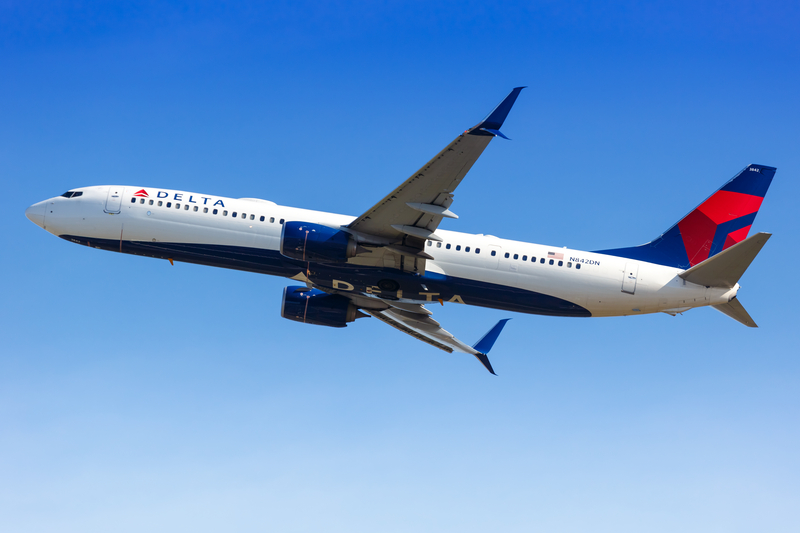
Delta Passenger’s Tarmac Outburst In Atlanta Could Bring Serious Federal Consequences
Will Regular Security Lines Get Longer?
The effect on other passengers will depend on how each airport implements the program. Front-of-line access places an eligible traveler ahead of passengers already waiting, so it can add a small amount of time to the regular queue at a busy checkpoint. The effect will be most visible where priority travelers and the general queue feed the same travel-document checker or screening lane.
A fully dedicated queue can have a different effect. If the airport opens it using existing equipment and officers reassigned from general screening, capacity available to other passengers could fall. If it is layered onto an already staffed checkpoint, the lane primarily separates passenger flows without reducing the number of people being screened.
Military traffic is also not entirely new to expedited checkpoints. Many active-duty travelers already use TSA PreCheck, while children 17 and younger can generally accompany an eligible parent or guardian when the required TSA PreCheck indicator appears on their reservation. Some Honor Lane users will therefore move out of existing PreCheck or standard queues rather than represent additional checkpoint demand.
A House Homeland Security Committee report on proposed military-travel legislation said the broader program was operating at 119 airports, including 33 large hubs and 86 medium airports, through a mixture of dedicated lanes, preferred lanes and front-of-line procedures. The report said airports were allowed to tailor the service to their operational constraints rather than follow a single national checkpoint design.
That flexibility makes a nationwide effect on wait times unlikely. Any impact will be airport- and checkpoint-specific, particularly during military movements, holiday peaks or periods when TSA has fewer lanes open. At many locations, the program amounts to managing the order in which passengers reach screening rather than creating a permanently staffed security lane.
Bottom Line
The expansion gives veterans a meaningful benefit without treating proof of service as a substitute for security vetting. That distinction matters: TSA PreCheck remains the risk-based product, while Honor Lanes are an operational and customer-service measure. Airports can recognize military travelers without changing the screening standard applied to someone who has not enrolled in a trusted-traveler program.
Regular flyers are unlikely to see a uniform increase in wait times. The pressure point will be airports that advertise a dedicated lane but lack the volume or staffing to operate it independently. At those checkpoints, Honor Lane users may simply merge ahead of another queue. TSA and airport operators will need to adjust lane openings around local demand, especially at military-heavy airports during large unit movements and peak leisure periods.
The next measure of the program will be consistency. The public airport list, local eligibility restrictions and the larger operational footprint described to Congress do not yet present travelers with a completely standardized product. Clearer signage and common identification rules will determine whether Honor Lanes function as a predictable national benefit or remain a collection of locally managed priority arrangements.
Keep reading FlyMag
Get the Daily Brief in the morning or the Route Watch weekly recap on Fridays. Or both.