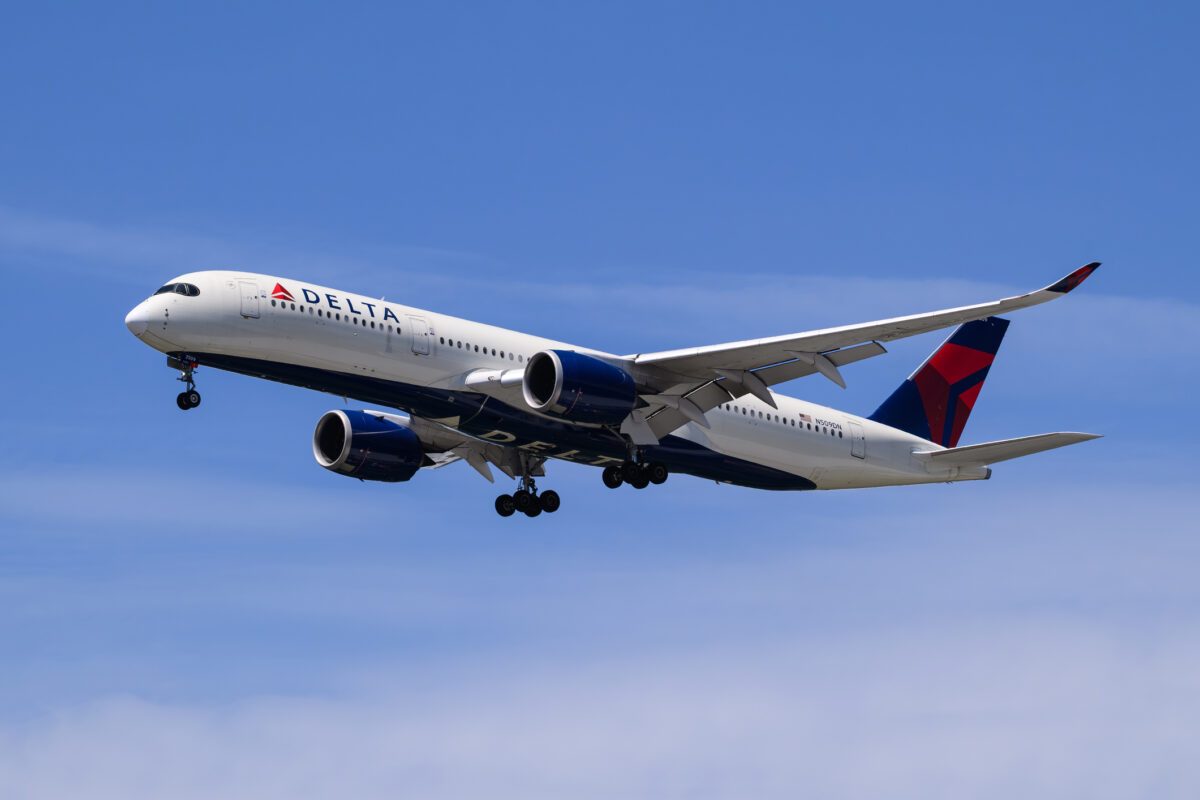
Delta Air Lines will open its first route to Saudi Arabia on October 23, 2026, connecting Atlanta (ATL) with Riyadh (RUH) using an Airbus A350-900.

The airline will initially operate the route daily through October 30 before settling into a three-times-weekly schedule. Delta describes the service as the first nonstop link between the United States and Riyadh flown by a U.S. carrier, although Saudi airlines already provide their own access to the U.S. market.
The choice of Atlanta was not a late substitution for New York-JFK (JFK). It was embedded in Delta’s Saudi plans more than two years before the first flight. The carrier’s July 2024 strategic agreement with Riyadh Air specifically contemplated Delta-operated nonstop service between Riyadh and Atlanta, alongside future codesharing, reciprocal loyalty benefits and broader operational cooperation.
Read our stories in your inbox
Two aviation newsletters. Zero fluff.
Atlanta Provides the Feed Needed for a New Long-Haul Market
Atlanta gives Delta its deepest pool of domestic connections. The airline currently lists nearly 1,000 peak-day departures from ATL to 207 destinations, including 61 international points. That breadth matters for a route whose local passenger base alone is unlikely to support daily widebody service.
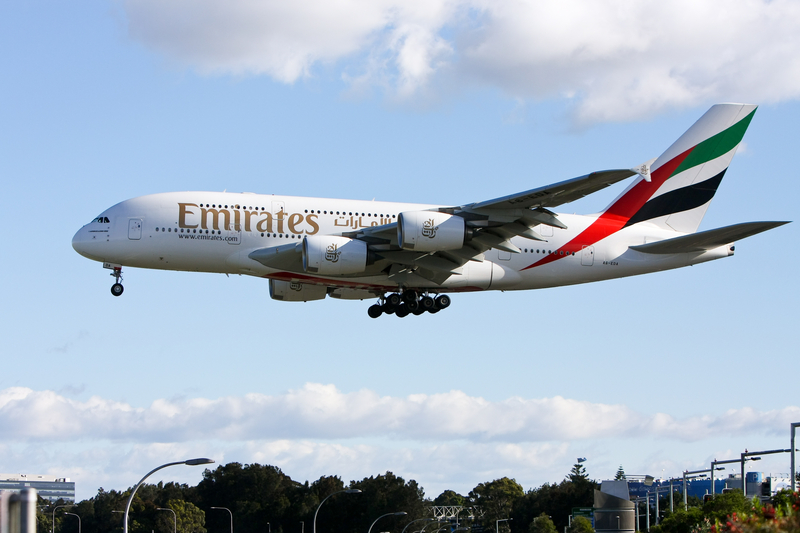
Delta said when announcing the route that Riyadh passengers would have one-stop access to more than 150 U.S. cities through ATL. The hub can aggregate corporate, government, visiting-friends-and-relatives and leisure demand from across the Southeast, Florida, Texas and much of the Midwest without relying as heavily on the local Atlanta-Riyadh market.
That is a different network proposition from JFK. New York offers a larger local international market, but it is also one of Delta’s most constrained and competitive gateways. A new three-times-weekly service must fit around an extensive transatlantic operation and compete for passengers with multiple one-stop options through European and Gulf hubs.
At ATL, Delta controls a much larger share of the connecting journey. It can place Riyadh into established domestic banks, sell itineraries from a wide range of smaller U.S. cities and retain the passenger on its own aircraft as far as Saudi Arabia. The airline’s August 2026 launch update emphasized nationwide connections through Atlanta rather than presenting the route primarily as a local-market service.
The Riyadh Air Agreement Shaped the Gateway
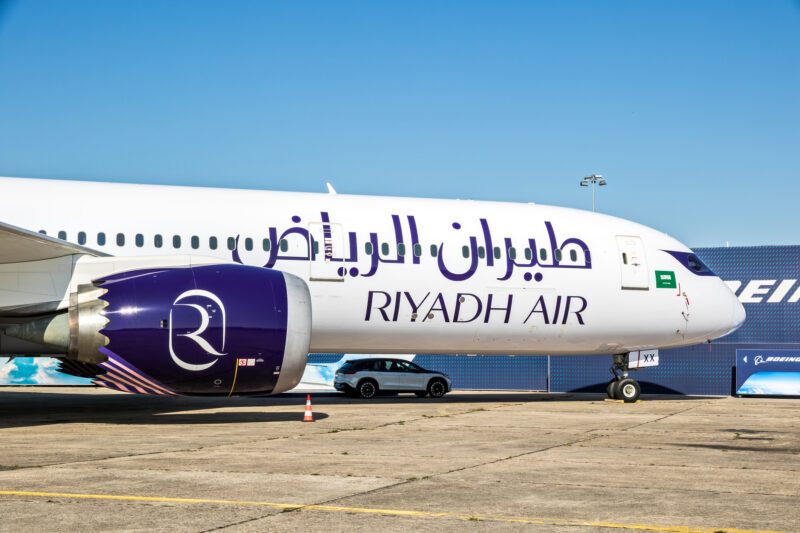
The route also needs to be read alongside Delta’s relationship with Riyadh Air. The Saudi carrier’s 2024 memorandum with Delta identified Atlanta as the U.S. endpoint for their planned cooperation and set out ambitions extending well beyond a single nonstop flight.
The companies proposed codesharing and interline connectivity, a possible joint venture, loyalty cooperation, ground handling, maintenance and training. Riyadh Air would gain access to Delta’s North American network, while Delta would gain a partner based at RUH capable of distributing passengers within Saudi Arabia and across the surrounding region.
That makes Atlanta the logical North American interchange for the partnership. It is Delta’s largest hub, its headquarters city and the place where the carrier has the greatest ability to build connecting banks around a long-haul arrival and departure. Riyadh Air now says its future Delta partnership is intended to provide access to more than 300 North American cities.
Delta has also developed a separate relationship with Saudia. The airlines signed a codeshare agreement in October 2024 designed to add connections beyond Saudi gateways. Together, those arrangements indicate that Delta is building Saudi access through partnerships as well as its own metal, limiting the need to reproduce a Gulf-style connecting hub operation itself.
The A350 Matches the Mission
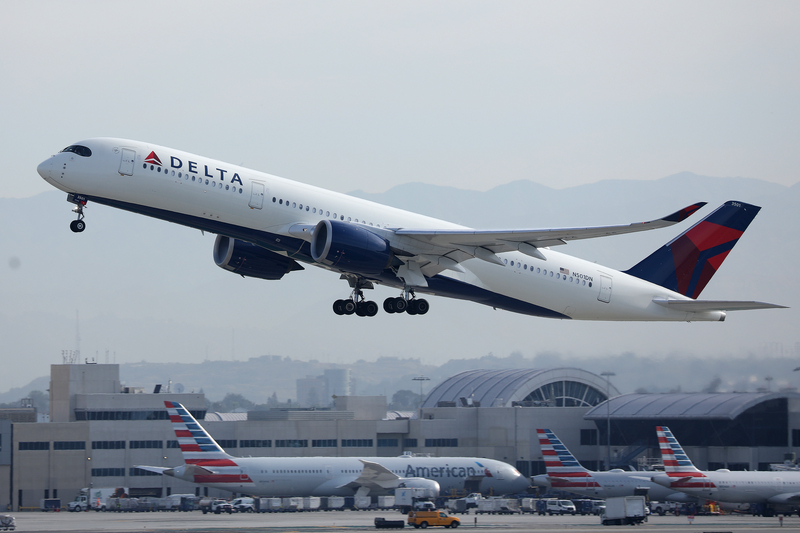
Delta will use the Airbus A350-900 on the route, which the airline says will cover more than 7,000 miles. The aircraft will offer Delta One, Delta Premium Select, Delta Comfort and Main Cabin, along with seatback entertainment and onboard Wi-Fi where available.
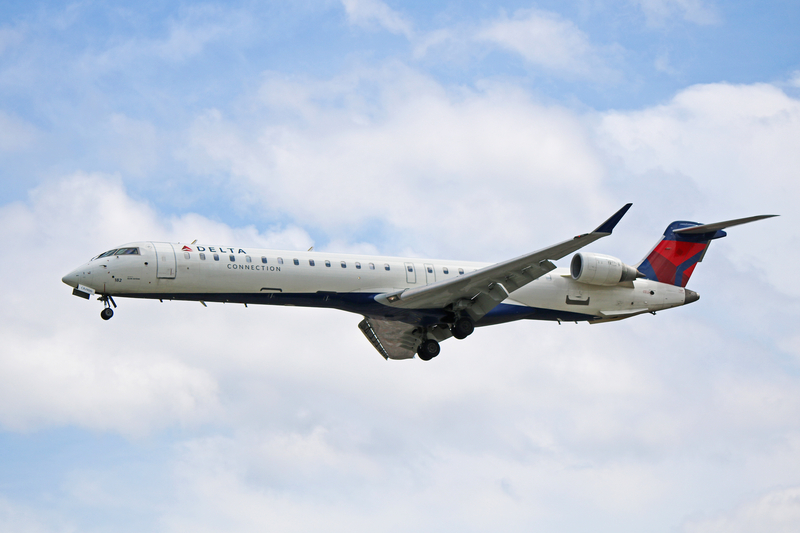
The A350 is a practical choice for the mission. Airbus gives the standard A350-900 a maximum design range of about 8,600 nautical miles, comfortably covering ATL-RUH while preserving operational margin for winds and diversions. Its twin-engine economics also suit a long, relatively thin route where Delta is testing demand with three weekly frequencies rather than committing to year-round daily capacity.
Delta operates multiple four-cabin A350-900 layouts, including versions with a substantial allocation of Delta One and Premium Select seats. That premium capacity is relevant on a route expected to draw business and government travel linked to investment between the United States and Saudi Arabia.
JFK Remains Central to Delta’s Tel Aviv Network
Delta’s Saudi expansion does not represent a general retreat from JFK in the Middle East. The airline’s published plan calls for daily New York-Tel Aviv (TLV) service, with the first eastbound departure scheduled for September 6 and the return from Israel on September 7. The route uses an Airbus A330-900neo with the same four branded cabin categories.
Atlanta-Tel Aviv remains suspended through December 18, while Delta has delayed the proposed Boston (BOS)-Tel Aviv launch until further notice. The airline set out those changes in its May 20 operational update, then confirmed on August 26 that daily JFK-Tel Aviv service was scheduled to return after a security review.
The result is not a single Middle East strategy built around Atlanta and Boston at New York’s expense. Delta is using JFK for the large and established Israel market while assigning the new Saudi route to the hub offering its strongest domestic feed and the clearest fit with Riyadh Air. Boston’s role remains contingent on Delta eventually proceeding with the postponed Tel Aviv service.
Bottom Line
Atlanta gives Delta the best chance of developing Riyadh without depending on a single coastal local market. Nearly 1,000 daily departures create a broad catchment area, while a three-times-weekly schedule limits the amount of A350 capacity Delta must fill during the route’s opening phase. The gateway also places the flight exactly where Delta and Riyadh Air said their North American cooperation would begin.
The more significant question is how quickly the partnership at RUH develops. A nonstop to Saudi Arabia becomes more valuable if passengers can connect under coordinated schedules, through-ticketing and reciprocal loyalty arrangements. Regulatory progress toward codesharing or a deeper commercial venture with Riyadh Air will therefore matter as much as Delta’s initial load factors.
Tel Aviv will remain a separate test of operational confidence. JFK has retained its position as Delta’s primary Israel gateway, but Atlanta and Boston remain off the schedule for now. Riyadh, by contrast, gives Delta an opportunity to establish a planned long-term position in Saudi Arabia before U.S. rivals develop their own nonstop services or local partnerships.
Keep reading FlyMag
Get the Daily Brief in the morning or the Route Watch weekly recap on Fridays. Or both.