Air Canada intends to launch scheduled service to Ho Chi Minh City (SGN) in 2027 after Canada and Vietnam expanded their bilateral air transport agreement to permit nonstop passenger and cargo flights between the two countries.

The airline said it will work with the relevant authorities to secure the approvals and complete the procedures needed to enter the Vietnamese market. Its September 24 announcement identified Ho Chi Minh City as the destination but stopped short of disclosing the Canadian gateway, frequency, aircraft or start date.
That makes the proposal an expression of network intent rather than a fully scheduled route. Air Canada must still complete the regulatory and operational work in both countries before opening reservations.
Read our stories in your inbox
Two aviation newsletters. Zero fluff.
Agreement Permits Up to 14 Weekly Passenger Flights
The revised bilateral substantially enlarges the commercial rights available to airlines from both countries. According to Transport Canada, it provides each country with rights for up to 14 weekly passenger-combination flights and seven weekly all-cargo services.
Passenger-combination flights can carry travelers and freight in the lower hold, an important distinction in a market supported by both visiting-friends-and-relatives traffic and substantial merchandise trade. The 14-frequency allowance is equivalent to two daily flights for airlines designated by each country, leaving room for more than one route or operator.
The agreement also grants fifth-freedom rights for all-cargo flights. A Canadian cargo airline could therefore serve an intermediate foreign market on a Canada-Vietnam operation and carry traffic between that market and Vietnam. Those rights provide more flexibility to build commercially viable freight routings than a bilateral sector alone.
The two governments described the change as the first framework permitting direct air services between Canada and Vietnam. Their joint statement establishing a strategic partnership said September 2026 aviation consultations had expanded capacity and liberalized the route schedule for direct passenger and all-cargo operations.
Ho Chi Minh City Adds a New Southeast Asian Market
Air Canada’s interest is supported by a sizeable mix of family, leisure, business and freight demand. Transport Canada estimates that approximately 275,000 people of Vietnamese origin live in Canada and describes Vietnam as one of Canada’s largest and fastest-growing Asian air markets.
Two-way merchandise trade reached C$20.6 billion in 2025. Canadian exports to Vietnam exceeded C$1.3 billion, an increase of about 30% from 2024. Those flows strengthen the cargo case for a passenger widebody, particularly when combined with connecting freight assembled across Air Canada’s domestic and North American network.
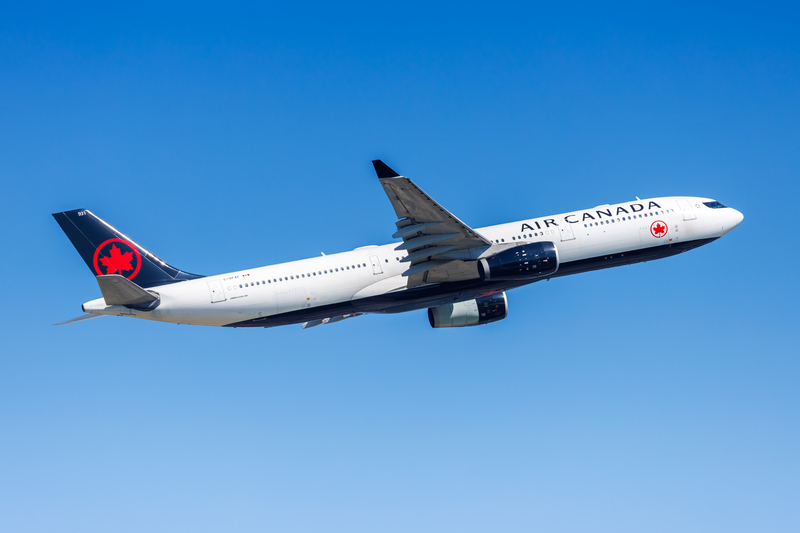
Ho Chi Minh City would also give Air Canada an online point in one of Southeast Asia’s largest commercial centers. A nonstop would remove an intermediate connection for Canada-Vietnam passengers while allowing the carrier to distribute traffic beyond the local Canadian market through whichever hub it selects.
The gateway decision will shape the route’s commercial profile. Air Canada must balance local demand, North American connections, aircraft utilization and the timing of arrivals and departures at SGN. The bilateral provides sufficient frequency for a daily operation, but it does not require the airline to begin at that scale.
Air Canada Has an Established 787 Long-Haul Template
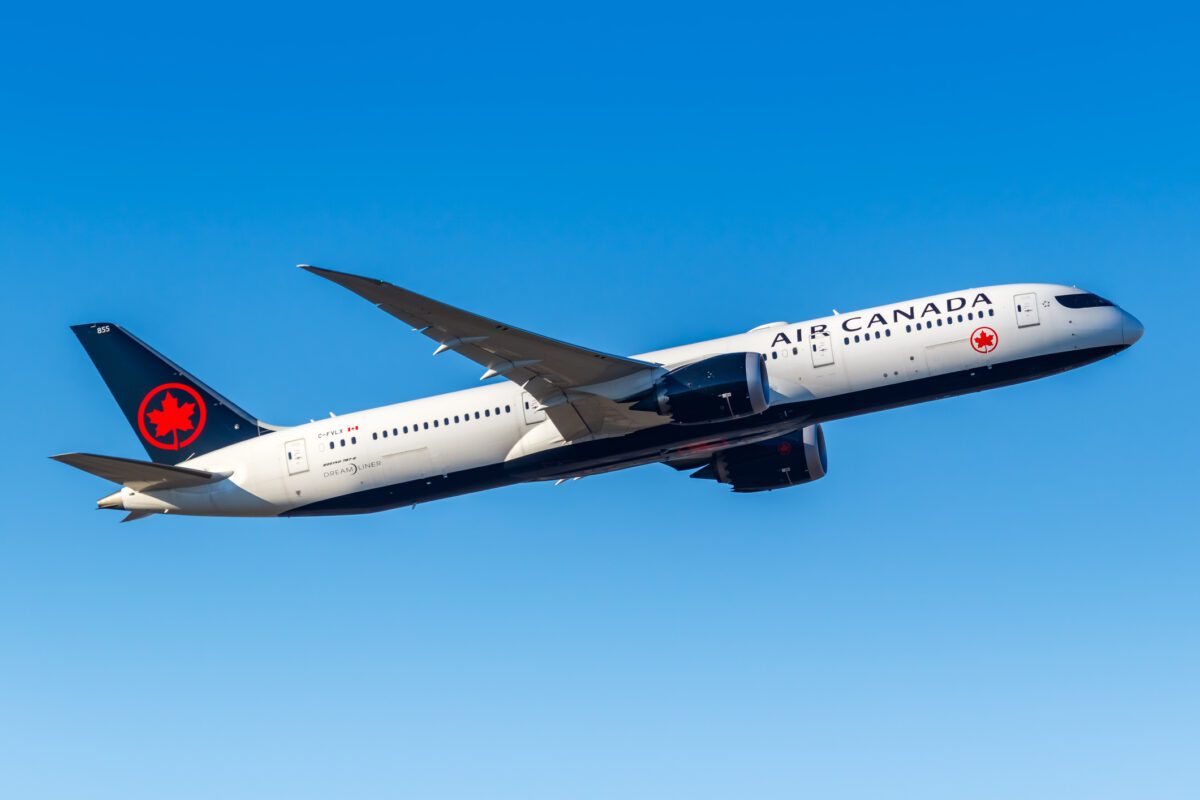
Air Canada has not assigned an aircraft to the proposed Vietnam service. The relevant benchmark in its existing Southeast Asian network is the Boeing 787-9, the type used between Vancouver (YVR) and Singapore (SIN).
Air Canada describes the 787 as its long-range workhorse and listed 40 Dreamliners in its mainline fleet as of March 31, 2026: eight Boeing 787-8s and 32 Boeing 787-9s. The larger 787-9 carries Air Canada Signature Class, Premium Economy and Economy cabins, giving the airline a mix of premium and leisure-oriented inventory as well as useful lower-deck cargo capacity.
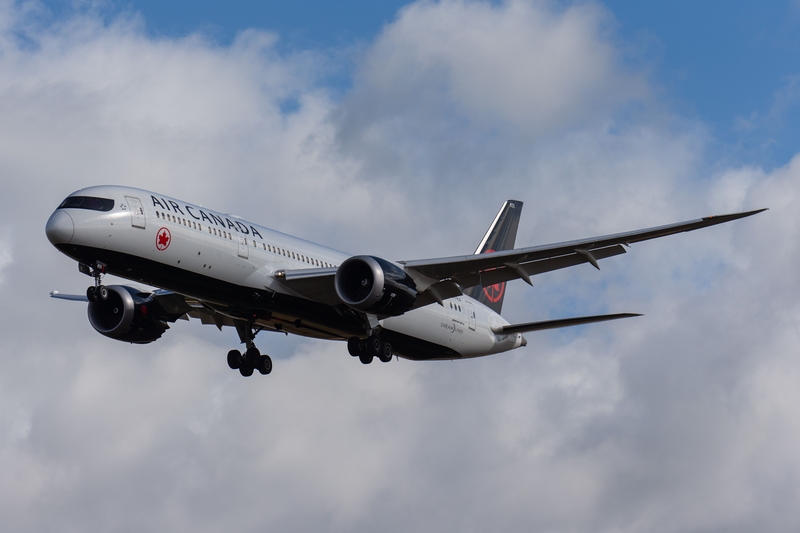
The aircraft has already demonstrated the reach required for Air Canada’s longest Southeast Asian missions. The carrier’s Vancouver-Singapore service covers 12,818 kilometers, with scheduled flying time of up to 16 hours and five minutes. A Vietnam route would draw on the same long-haul operating structure even if Air Canada ultimately chooses another widebody type.
Fleet availability will remain part of the launch equation. Air Canada is simultaneously enlarging its international schedule for 2027. Its summer 2027 expansion includes new year-round Vancouver-Guangzhou service and an increase of more than 8% in international available seat miles compared with summer 2026. The airline also expects to disclose its first Boeing 787-10 assignments as additional aircraft enter the fleet.
Approvals Come Before a Firm Schedule
Air Canada’s next steps include obtaining the necessary government authority and completing Vietnam’s operating procedures. Only after those elements and the underlying commercial plan are settled can the airline publish a gateway, timetable and sales date.
The bilateral itself is no longer the principal obstacle. It now gives Air Canada room to build a scheduled passenger operation and gives Air Canada Cargo a broader framework for both belly freight and potential dedicated freighter activity.
Bottom Line
The agreement converts Canada-Vietnam service from a network idea into an executable route opportunity. Air Canada gains access to a large unserved bilateral market with a substantial diaspora, growing trade volumes and enough traffic diversity to support both passenger revenue and cargo. Vietnam, in turn, gains the prospect of its first nonstop connection to Air Canada’s North American network.
The Canadian gateway will reveal how Air Canada intends to position the route. A Pacific-hub operation would follow the carrier’s established Southeast Asia model and reduce aircraft time, while another hub could emphasize a different mix of local and connecting demand. Frequency will be equally telling: a limited initial schedule would manage the risk of a new long-haul market, while daily service would indicate confidence in year-round traffic and freight.
The development also signals that Air Canada’s 2027 expansion is not complete. With additional widebodies arriving and bilateral restrictions being loosened, Ho Chi Minh City gives the carrier another way to deepen its Pacific network. The points to watch now are the gateway selection, aircraft assignment and whether a Vietnamese airline uses the reciprocal rights, creating the first direct competition in the market.
Keep reading FlyMag
Get the Daily Brief in the morning or the Route Watch weekly recap on Fridays. Or both.