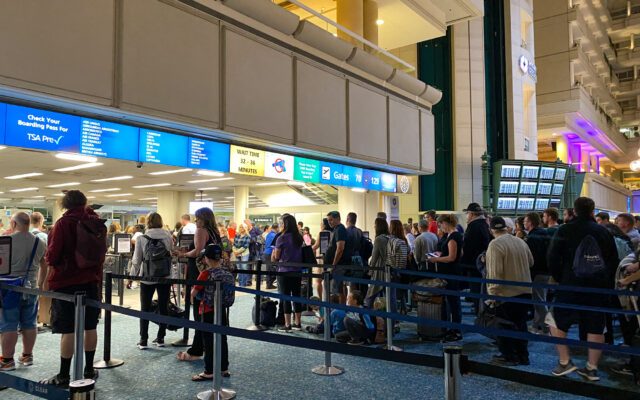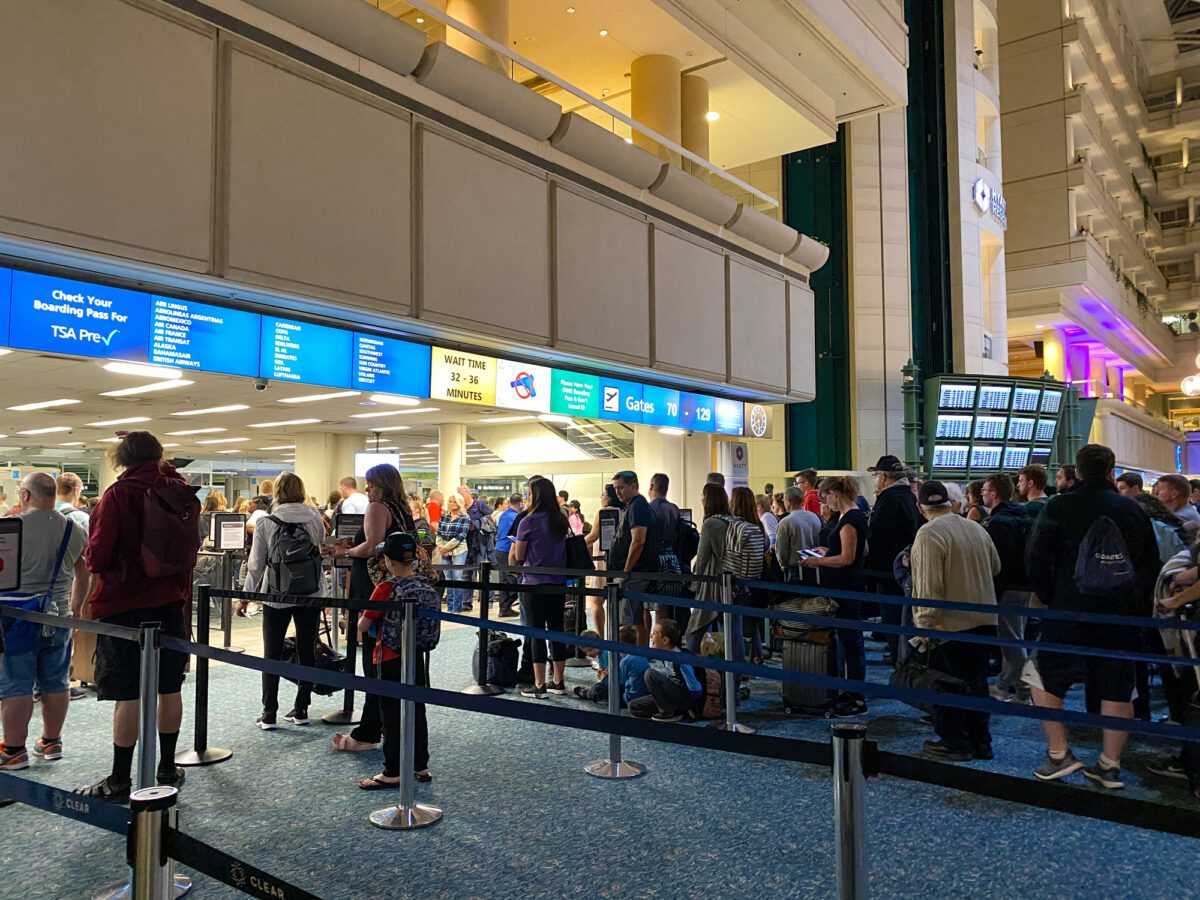
The Transportation Security Administration has launched Gateside by TSA PreCheck, allowing approved, non-ticketed visitors to pass through security at 13 U.S. airports.
The free program is available to eligible travelers with TSA PreCheck benefits and an active Known Traveler Number. It permits visitors to accompany departing passengers to their gates, meet domestic arrivals, spend time with someone during a connection, or use post-security restaurants and shops without taking a flight.
Airport announcements began on September 2, 2026, including launches at Mesa Gateway and Wichita. TSA and participating airports continued announcing the program through September 9.
Read our stories in your inbox
Two aviation newsletters. Zero fluff.
Advance Approval Required for Each Visit
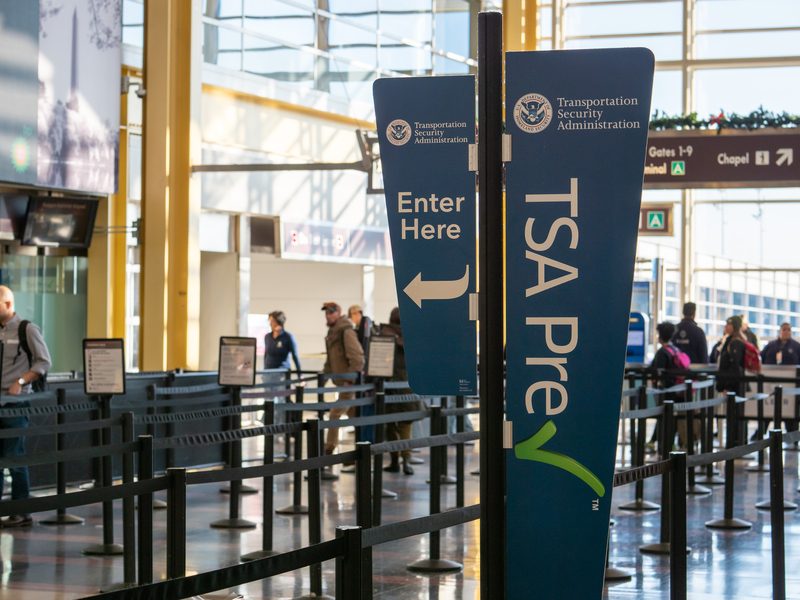
Gateside is not open access to the sterile area. Visitors must apply through the TSA Gateside portal between one and three days before the planned visit, enter their Known Traveler Number and select a participating airport.
An approved visitor must present the Gateside authorization and a REAL ID-compliant license or another form of identification accepted by TSA. Visitors then pass through a TSA PreCheck lane and remain subject to security screening and prohibited-item rules.

Approval is not guaranteed, and airports may restrict availability during peak periods. A Gateside authorization provides terminal access only; it is not a boarding pass, does not permit air travel and does not by itself provide access to an airline lounge.
Children may accompany an eligible adult when included on the adult’s reservation. That structure broadly follows TSA PreCheck’s family-oriented screening model while keeping the adult applicant responsible for the visit.
The Columbus Regional Airport Authority said visitors must present both an approved reservation and valid identification at the PreCheck lane. Clinton National Airport similarly said its Gateside passes require advance application and an eligible KTN.
Gateside Launches at a Mix of Large and Regional Airports
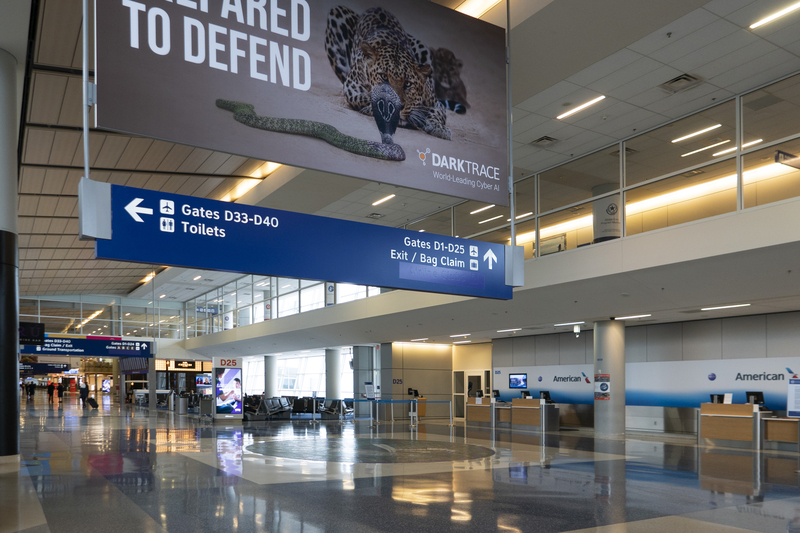
The initial network covers 13 airports ranging from major connecting hubs to smaller stations with relatively compact terminals:
- Dallas/Fort Worth (DFW)
- Detroit (DTW)
- Omaha Eppley (OMA)
- Las Vegas Harry Reid (LAS)
- Indianapolis (IND)
- Columbus (CMH)
- Los Angeles (LAX)
- Little Rock (LIT)
- Mesa Gateway (AZA)
- Salt Lake City (SLC)
- San Diego (SAN)
- Wichita (ICT)
- Oklahoma City (OKC)
The range is operationally significant. DFW and LAX have multiple terminals, heavy connecting traffic and complex checkpoint patterns, while airports such as AZA and ICT offer simpler environments in which TSA can assess demand without the same passenger volumes.
For airports, gateside access also places more potential customers within concession areas that were developed primarily around ticketed traffic. Mesa Gateway said the TSA-managed program covers the application, eligibility, approval and screening processes, limiting the administrative work required from the airport operator.
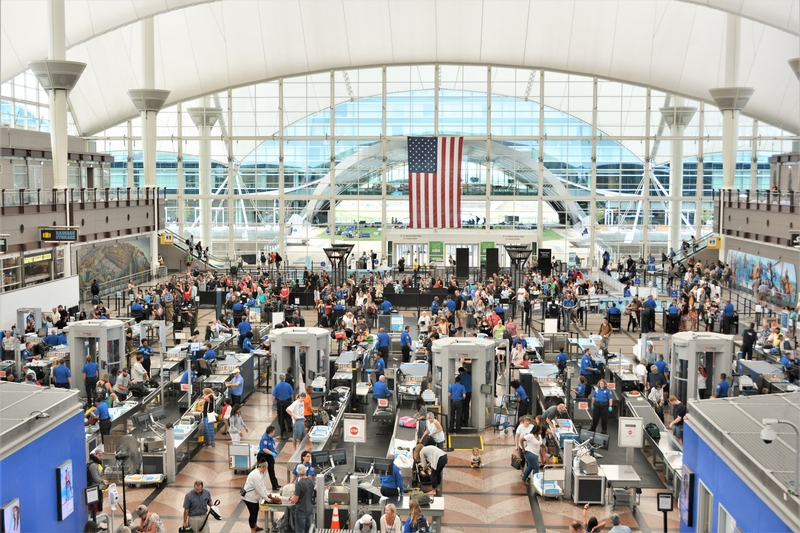
Gateside Builds on Existing Airport Visitor Passes
The national launch does not mark the first return of non-ticketed visitors to U.S. concourses. Several airport operators have independently introduced TSA-approved visitor programs during the past decade.
Detroit, one of the Gateside launch airports, has offered its own Destination Pass since 2019. The airport later installed kiosks that provide same-day authorization at the McNamara and Evans terminals. Its current DTW Destination Pass remains open to non-ticketed visitors without requiring TSA PreCheck, although participants use regular screening procedures.
San Diego also operates a separate SAN Pass. Visitors can apply on the day of their visit or up to seven days ahead, but must enter through general screening and cannot combine the pass with TSA PreCheck or CLEAR. Gateside therefore gives eligible PreCheck members a second route into the terminal, using the expedited lane rather than the airport’s general visitor-pass process.
Other airports outside the initial Gateside network retain locally administered programs. Seattle-Tacoma (SEA) allows up to 300 approved visitors per day through its SEA Visitor Pass, while Ontario (ONT) operates the ONT+ program for access to Terminals 2 and 4. Philadelphia (PHL) offers a Wingmate Pass with a six-hour visit period.
Those programs generally admit a broader section of the public but route visitors through standard screening and impose airport-specific limits, entry windows and application rules. Gateside takes the opposite approach: it draws from an already vetted population and provides one TSA-managed application process across participating airports.
Bottom Line
Gateside turns PreCheck from a benefit used only during a passenger’s own journey into a credential for controlled access to the wider airport system. That is a meaningful shift in how TSA uses trusted-traveler vetting. Instead of requiring each airport to build a separate visitor program, the agency can authorize access through an existing federal identity and screening framework.
The initial airport mix should show whether demand remains concentrated around family greetings and assistance or develops into a wider market for dining, shopping and plane watching. It will also test how much additional traffic PreCheck checkpoints can absorb at airports as different as LAX, DFW and Mesa Gateway without reducing the predictability that enrolled passengers expect from the program.
Airport operators stand to gain additional concession spending and a more flexible customer-service tool, particularly for families, older passengers and travelers making long connections. The next measure of the program will not simply be how many passes TSA issues, but whether more airports choose Gateside over building their own local systems—and whether airports already operating visitor passes keep both options.
Keep reading FlyMag
Get the Daily Brief in the morning or the Route Watch weekly recap on Fridays. Or both.