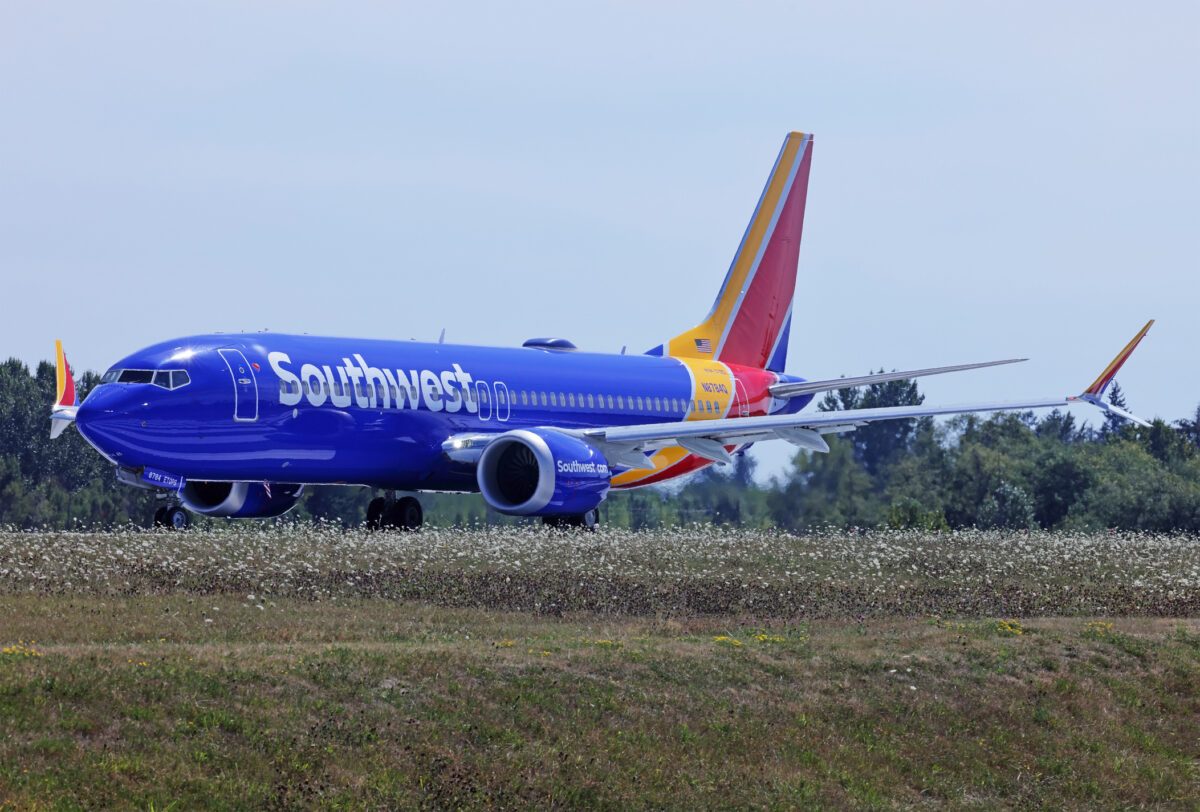
Southwest Airlines considered opening a station at McKinney National (DTX) but decided the operation did not make economic or operational sense, CEO Bob Jordan said in an interview published October 29.

Jordan said the proposal “didn’t really work” for Southwest. The distinction is important: the airline has not canceled announced DTX service or withdrawn from the airport. It evaluated McKinney and chose not to add it, leaving Avelo Airlines as the launch carrier when scheduled passenger flights begin November 11.
The decision keeps Southwest concentrated at Dallas Love Field (DAL), where it has spent decades building one of its largest operations. Meanwhile, Avelo is pursuing the opposite strategy at DTX, using a new, smaller terminal and a northern Dallas catchment area to establish an airport base with limited direct competition.
Read our stories in your inbox
Two aviation newsletters. Zero fluff.
Southwest Keeps Its Dallas Operation at Love Field
Southwest’s published Dallas schedule remains centered on DAL. Several of the markets Avelo will serve from McKinney — including Atlanta, Denver, Fort Lauderdale, Las Vegas, Nashville, New Orleans, Orlando and Tampa — are already available from Love Field.
Opening DTX would therefore require Southwest to decide whether the new station would generate genuinely incremental demand or divide traffic already using DAL. It would also introduce another set of airport costs, ground equipment, staffing, spare-parts requirements and operational recovery considerations within the same metropolitan area.
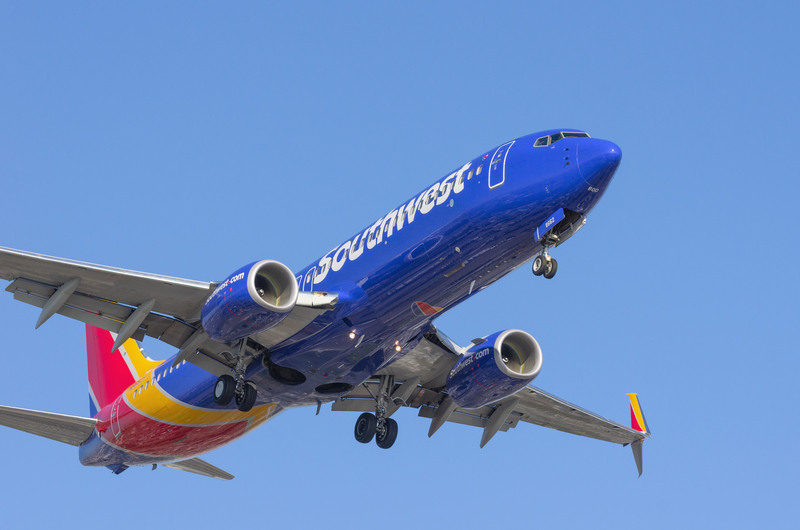
Those costs matter for an airline operating at Southwest’s scale. Its September 30 fleet disclosure listed 803 aircraft: 271 Boeing 737-700s with 137 seats, 189 Boeing 737-800s with 175 seats and 343 Boeing 737-8s with 175 seats. Southwest’s network benefits from concentrating that fleet and its supporting resources at airports where it can build schedule depth.
McKinney offers geographic access to Collin County, but that alone does not make it a natural Southwest station. A second Dallas-area operation would need enough local demand to support useful frequencies without weakening Love Field, particularly on routes where Southwest already has an established customer base and schedule.
Avelo Will Open With Three Based 737s
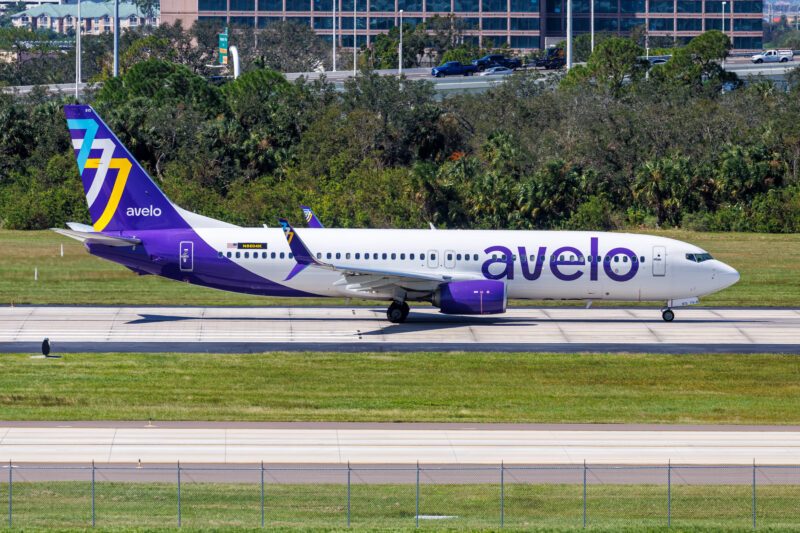
Avelo has designed its DTX plan around the airport’s smaller scale. The carrier will base three 184-seat Boeing 737-800s at McKinney, creating about 150 positions across flight crews, maintenance, ground handling and airport functions.
The first flight will operate to Fort Myers (RSW) on November 11. Las Vegas (LAS) and Orlando (MCO) follow November 12, with Tampa (TPA) and Fort Lauderdale (FLL) beginning November 19.
A second wave starts in December. Atlanta (ATL), Denver (DEN) and Sarasota/Bradenton (SRQ) begin December 16, followed by Nashville (BNA), New Orleans (MSY) and West Palm Beach (DJT) on December 17. Avelo’s latest expansion takes the planned network to 11 destinations, while additional holiday-period flying will raise Las Vegas to six weekly frequencies.
The 184-seat 737-800 is a logical aircraft for that strategy. Its dense cabin spreads the cost of opening a new station across substantially more seats than a regional jet, while its range comfortably covers Avelo’s mix of Florida, Mountain West and southeastern markets. Basing aircraft at DTX also gives Avelo control over first-wave departures and returning evening flights without relying on an existing connecting complex.
Avelo’s model is built around smaller airports in large metropolitan regions. At McKinney, it is betting that airport convenience and low fares can offset less-than-daily schedules and the absence of the network breadth available at DAL.
DTX Is Cleared for Commercial Operations
McKinney has already completed the principal regulatory work required for the launch. The airport received its FAA Part 139 operating certificate after inspections covering runway safety areas, aircraft rescue and firefighting, airfield markings, fueling oversight, wildlife management and emergency response.
Runway 18/36 has been extended to 8,002 feet, giving DTX ample pavement for regular Boeing 737 operations. The airport has also added commercial-service firefighting capability and a dedicated aircraft deicing area.
The airport’s 46,000-square-foot passenger terminal will open with four gates and space for six. McKinney says the design can ultimately support more than 2 million passengers annually. The opening configuration includes a 980-space parking lot, rental-car facilities, concessions and a dedicated access road.
That leaves DTX with room to recruit another airline, but Avelo will control the first phase of commercial development. Its three based aircraft and 11 announced destinations provide McKinney with a larger opening schedule than a token one- or two-route launch, while still leaving the airport heavily dependent on one carrier.
Bottom Line
Avelo gains the clearest advantage from Southwest’s decision. It can establish brand recognition at DTX without immediately facing a much larger airline on every route, while McKinney receives a committed base operator rather than occasional service from an aircraft routed through another station. That alignment gives both sides a stronger opening proposition, although it also concentrates the airport’s early traffic risk in a single airline.
For Southwest, passing on DTX reflects the value of schedule concentration. McKinney would have to produce new passengers, not simply move existing Southwest customers north from Love Field. Until that demand is demonstrated at airline scale, adding another Dallas-area station would increase complexity more reliably than it would increase revenue.
The figures to watch after November 11 will be Avelo’s load factors, the durability of its less-than-daily routes and whether three based aircraft remain productive after the launch period. If those flights mature without relying on continual promotional pricing, DTX will have a stronger case for a second carrier. If not, Southwest’s decision to wait will look less like a missed opportunity and more like disciplined network planning.