Munich (MUC) will have scheduled service to 182 destinations in 67 countries during the 2026/27 winter season, with airlines adding long-haul frequencies and expanding the airport’s northern European network.



The winter timetable runs from October 25, 2026, through March 27, 2027. It covers two fewer destinations and one fewer country than Munich’s 2025/26 winter schedule, but the headline route count understates the capacity growth planned for several of the airport’s most important intercontinental markets.
Singapore and Bangkok Gain More Flights
Singapore Airlines and Thai Airways will each increase service from seven to 10 flights a week, strengthening Munich’s links with Singapore Changi (SIN) and Bangkok Suvarnabhumi (BKK).
Read our stories in your inbox
Two aviation newsletters. Zero fluff.
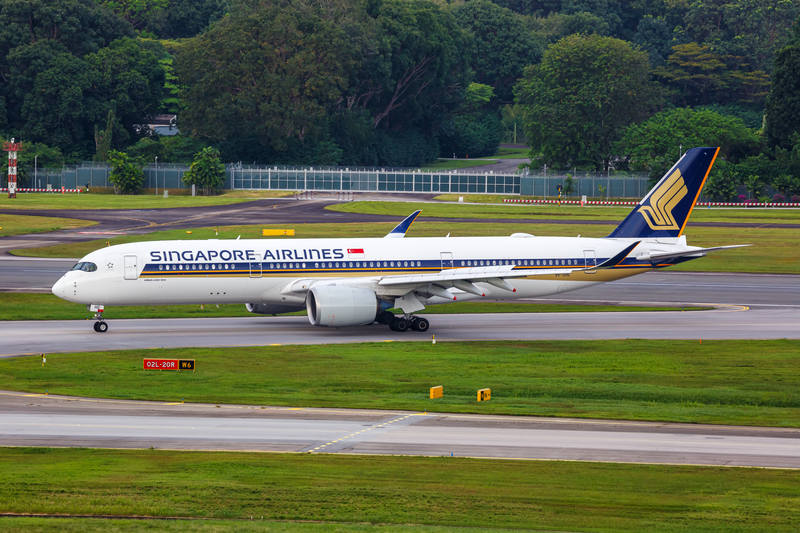
Singapore Airlines’ three additional services begin October 26 and operate on Mondays, Wednesdays and Fridays. Flight SQ339 leaves Munich at 8:30 p.m., supplementing the carrier’s existing daily midday departure and creating a second schedule option on three days of the week.
The airline has assigned its long-haul Airbus A350-900 to the added flights. The aircraft has 253 seats: 42 in Business Class, 24 in Premium Economy and 187 in Economy. Singapore Airlines said the evening timing improves connections at SIN to Southeast Asia, Australia and New Zealand.
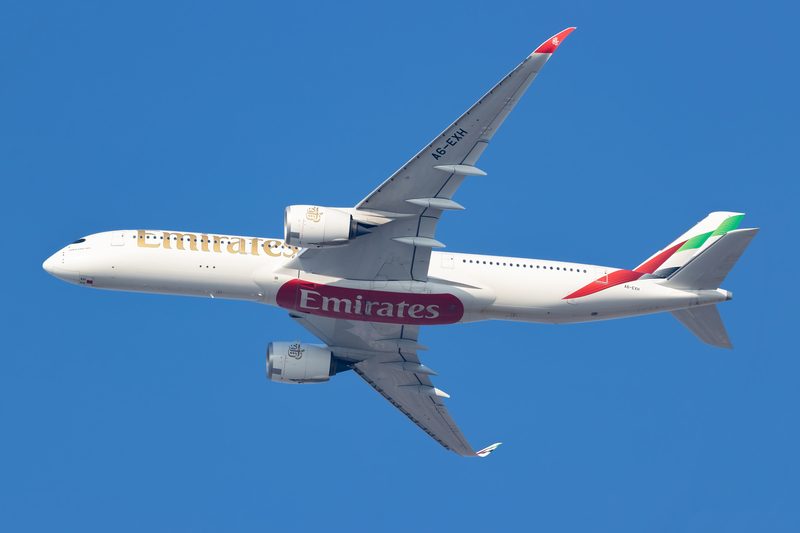
With Lufthansa’s daily service included, the increase takes Star Alliance and joint-venture capacity between Munich and Singapore to 17 weekly flights. Singapore Airlines’ expansion is part of a broader European schedule change that also adds frequencies at London Gatwick, Manchester and Milan.
Bangkok will receive a larger seasonal increase. Lufthansa plans a second daily flight from January 16 through February 26, 2027, while Thai Airways moves to 10 weekly services. The combined schedule will produce as many as four Munich-Bangkok departures on certain days.
Lufthansa Builds Depth Across Its Long-Haul Network
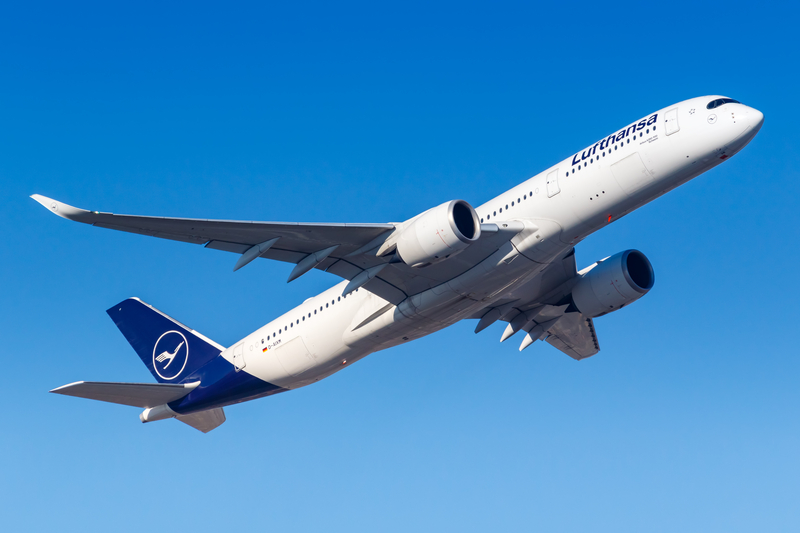
Lufthansa will raise Munich service to Mexico City (MEX), Johannesburg (JNB) and São Paulo Guarulhos (GRU) from three to five flights a week on each route. The changes add schedule utility in three markets where frequencies remain below daily, while giving Lufthansa more connecting options through its Munich hub.
Premium leisure carrier beOnd will increase service to Malé (MLE) to four flights a week. The Maldives flights will operate with intermediate stops at either Dubai (DXB) or Red Sea International (RSI) in Saudi Arabia.
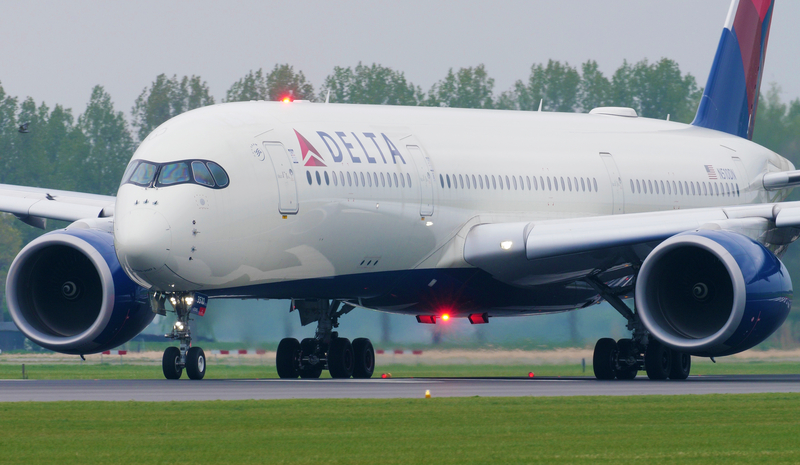
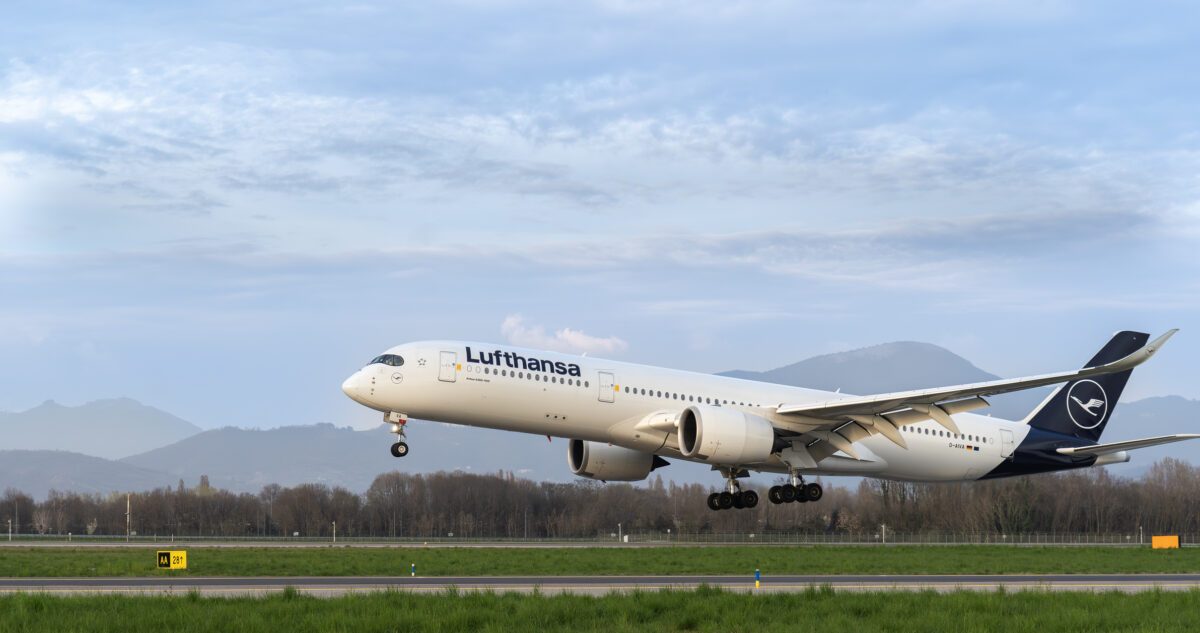
The winter season will also bring Lufthansa’s first Airbus A350-1000 into passenger service. The aircraft, registered D-AIFA and named Deutschland, is scheduled to make its first revenue flight from Munich to Tokyo Haneda (HND) on December 3. Shanghai Pudong (PVG) and Singapore will follow, with the A350-1000 alternating with the smaller A350-900.
Lufthansa’s A350-1000 has 300 seats across four cabins: three or four in First Class, depending on occupancy of the double Suite Plus; 49 in Business Class; 35 in Premium Economy; and 212 in Economy. Powered by Rolls-Royce Trent XWB-97 engines, the 73.8-meter aircraft gives Lufthansa more premium capacity than its A350-900 while retaining the range needed for its longest Asian sectors.
The first 10 of Lufthansa Group’s 15 ordered A350-1000s will be based at Munich and delivered through 2030, making the type an increasingly important part of the hub’s long-haul fleet.
Lapland Network Expands
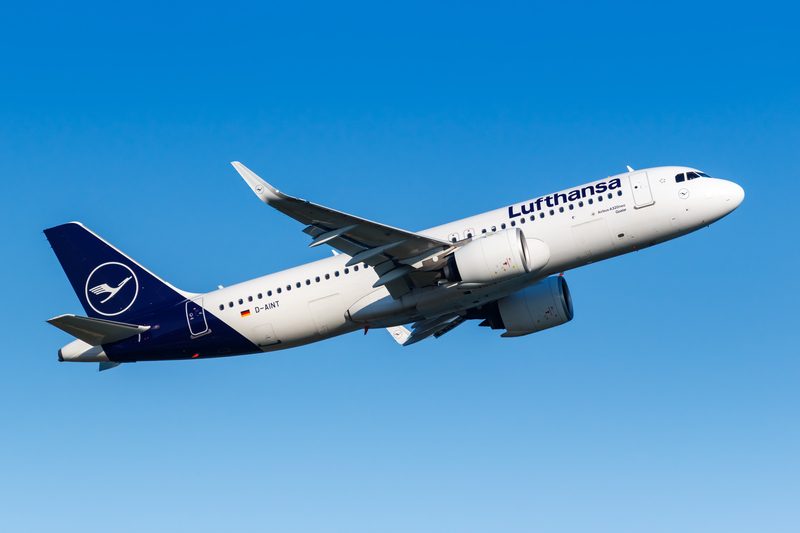
Lufthansa will double flights to Tromsø (TOS), from two to four a week, and increase Kittilä (KTT) from two to three weekly services beginning February 1. It will also operate two weekly flights to Rovaniemi (RVN) from December 4, alongside Norwegian.
Discover Airlines is adding a weekly Munich-Ivalo (IVL) service. The carrier’s published schedule lists Wednesday flights from December 23, extending the Lufthansa Group’s Munich network into northern Finnish Lapland.
The Nordic additions point to a more structured winter program rather than a handful of holiday charters. Tromsø receives four weekly Lufthansa flights, while the Finnish schedule spreads capacity among Kittilä, Rovaniemi and Ivalo.
Two New Brands Join the Munich Schedule
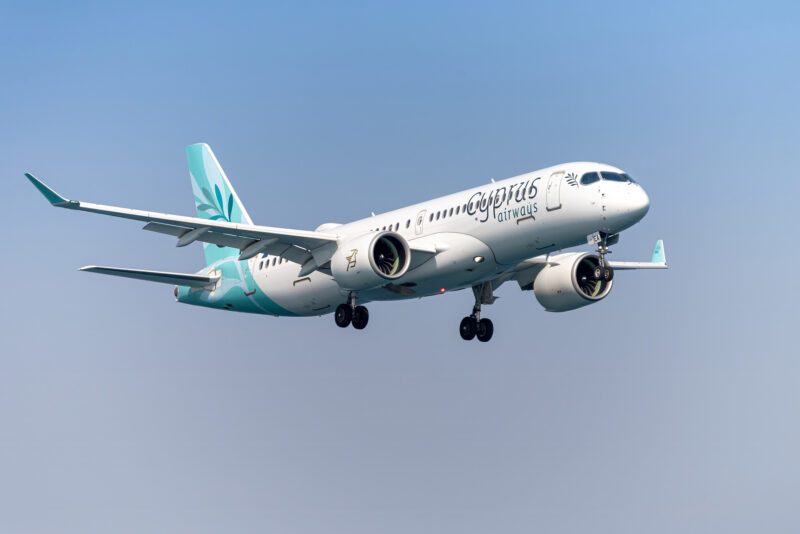
Cyprus Airways will begin twice-weekly flights between Munich and Larnaca (LCA) on December 17. The route is already displayed in the airline’s booking system for travel through the winter season.
Fly2Galicia will link Munich with Santiago de Compostela (SCQ) twice a week. Although presented in the airport timetable as a new airline, Fly2Galicia is a commercial brand rather than an aircraft operator. Its conditions of carriage identify Romanian carrier FLYYO as the operating airline for all Fly2Galicia services.
FLYYO uses the Airbus A320-214 in a 180-seat, all-economy configuration. The operator lists a range of up to 5,900 kilometers for the type, comfortably covering the Munich-Santiago sector while allowing Fly2Galicia to use the same aircraft platform across its planned European network.
Several routes introduced for summer 2026 will also remain in the winter schedule. Air Serbia will continue daily service to Belgrade (BEG), Bluebird Airways will operate three weekly flights to Tel Aviv (TLV), and Royal Jordanian will retain three weekly services to Amman (AMM).
Bottom Line
Munich’s winter plan is less about collecting additional destination pins than increasing the usefulness of the existing network. Ten weekly flights to both Singapore and Bangkok, combined with more Lufthansa frequencies to Latin America and Africa, improve connection choice and reduce the commercial weakness of thin, three-times-weekly long-haul services.
The A350-1000 deployment is the more consequential fleet development. Basing the first 10 aircraft at Munich gives Lufthansa room to add premium seats without returning to the capacity profile of the Airbus A380 on every market. Tokyo, Shanghai and Singapore will provide an early test of how the larger Allegris-equipped twinjet fits alongside Lufthansa’s A350-900s and A380s.
At the other end of the network, Lapland is becoming a defined winter market from Munich. The spread of service across Tromsø, Kittilä, Rovaniemi and Ivalo suggests that airlines see sufficient demand for multiple scheduled links rather than isolated peak-season operations. The next measure will be whether those frequencies return in winter 2027/28 and whether Munich can support further destinations in northern Norway and Finland.
Keep reading FlyMag
Get the Daily Brief in the morning or the Route Watch weekly recap on Fridays. Or both.