The United States is widening its Ebola entry controls, adding Atlanta Hartsfield-Jackson International Airport (ATL) and Houston George Bush Intercontinental Airport (IAH) to the enhanced screening system that had initially centered on Washington Dulles International Airport (IAD).
That matters because it turns what first looked like a single-airport containment measure into a broader national aviation-health response. Travelers with recent presence in the Democratic Republic of the Congo, Uganda, or South Sudan are now being funneled through a larger but still tightly controlled set of airports for added health screening and entry processing.
For aviation readers, the key point is not just that screening is expanding. It is that the U.S. government is now clearly treating airport entry control as a central part of its Ebola response rather than a secondary precaution.
Read our stories in your inbox
Two aviation newsletters. Zero fluff.
Dulles Was First, But Not Alone Anymore
Enhanced Ebola screening began at Washington Dulles after the CDC and DHS announced a new public-health travel regime in mid-May.
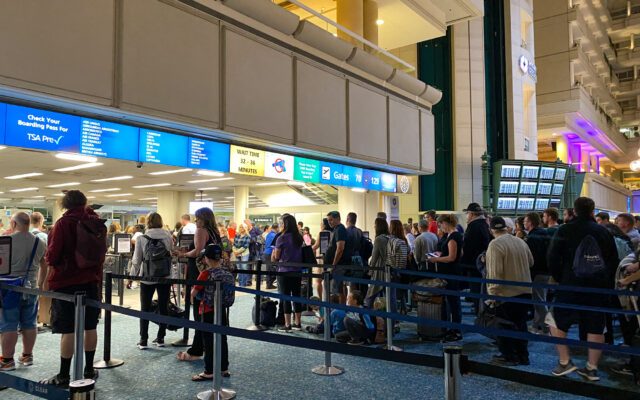
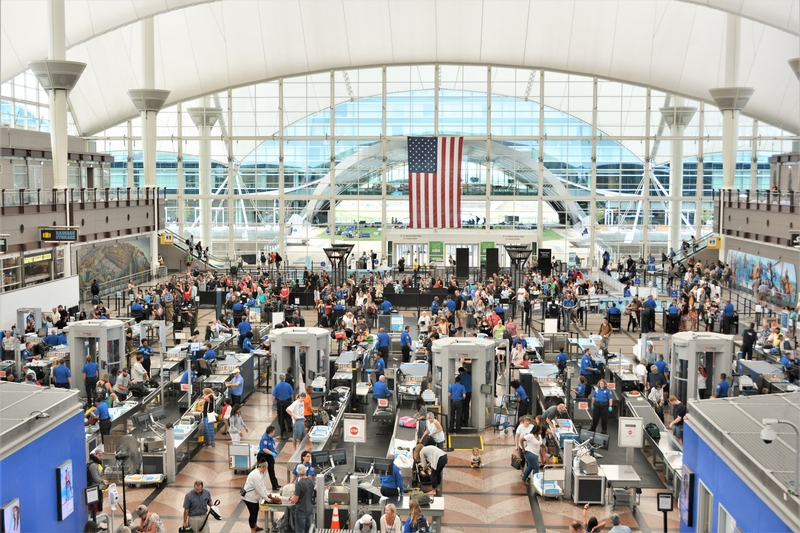
Now the system is widening. Atlanta has already started enhanced screening, and Houston Bush is joining the program as well. That gives the U.S. three active screening airports rather than one and reduces the pressure that would have fallen almost entirely on Dulles if it had remained the only entry point.

Delta Passenger’s Tarmac Outburst In Atlanta Could Bring Serious Federal Consequences
This is an operational scaling move as much as a public-health one.
The Rules Are Different For Foreign Nationals And For Americans
One of the most important distinctions in the new system is who is allowed to enter and under what conditions.
Foreign nationals who have been in the DRC, Uganda, or South Sudan within the last 21 days face entry restrictions. U.S. citizens and lawful permanent residents are still allowed to return, but if they have recent travel history to those countries, they are subject to enhanced screening and designated-airport arrival rules.
That distinction matters because the airport changes are not just about banning entry. They are also about channeling eligible arrivals into a system designed to spot symptoms quickly and apply additional public-health controls where needed.

This Is A WHO Emergency, Not Just A Domestic Precaution
The U.S. response is happening against the backdrop of a formally recognized international health emergency.
The World Health Organization has declared the 2026 Ebola outbreak in the DRC and Uganda a public health emergency of international concern. Health authorities are treating the situation seriously enough that airport screening is now part of the frontline response even though no Ebola cases have been confirmed in the United States so far.
That is what gives the airport measures their significance. They are not symbolic. They are part of a broader international containment effort.
Why Atlanta And Houston Matter So Much
The choice of Atlanta and Houston is not random.
Both are major international gateways with the infrastructure, staffing base, and federal presence needed to support specialized screening procedures. Atlanta, especially, is one of the busiest airports in the world and a natural place to scale a public-health arrival program. Houston Bush serves a similar role as a major international entry point with enough capacity to handle additional control measures.
In practical terms, adding these airports makes the system more resilient than relying on Dulles alone.
The CDC Is Preparing For A Longer Response
Another important signal is that federal health authorities are already scaling staffing and operational support for the screening effort.
That suggests officials do not view this as a brief symbolic surge. They are preparing for a response that may need to last and expand if conditions worsen. In aviation terms, that means the screening program is being built more like an ongoing operational layer than a short-lived alert.
Bottom Line
The United States has now expanded enhanced Ebola screening from Washington Dulles to include Atlanta and Houston Bush, making clear that airport-based health controls are becoming a central part of the federal response to the outbreak in DRC and Uganda. Foreign nationals with recent travel in the affected countries face entry restrictions, while U.S. citizens and residents are being routed through designated airports for additional screening.
For travelers, this means more controlled entry pathways and potentially more screening friction. For the aviation system, it means the U.S. is now treating airport access itself as a frontline tool in outbreak containment.