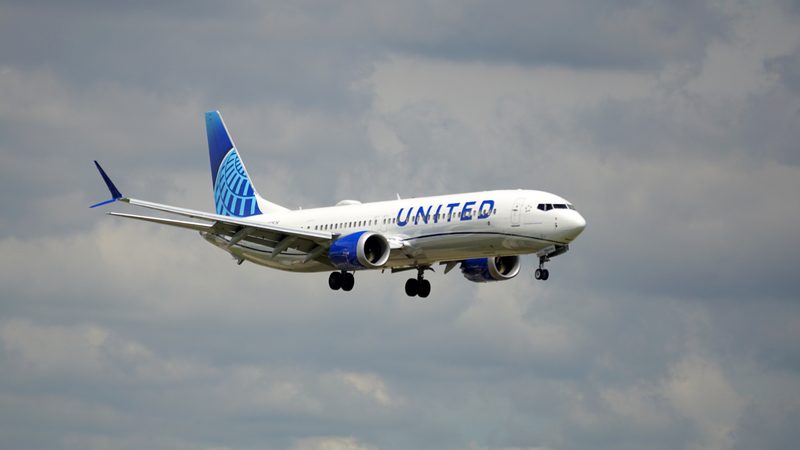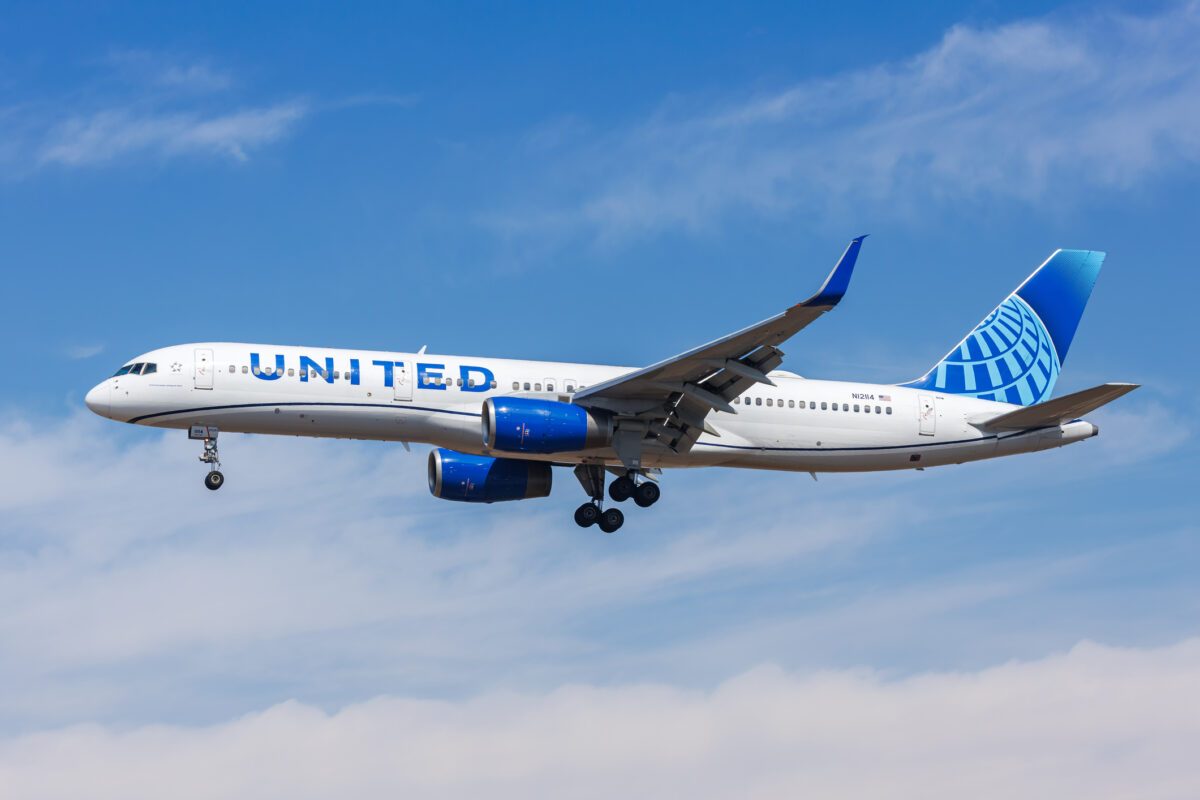
A United Airlines Boeing 757-200 returned to Dublin Airport (DUB) on Sunday, October 4, after a strong fuel odor was reported in the cabin during a flight to Newark (EWR).

Flight UA316 had climbed to 31,000 feet and was approaching Ireland’s west coast when the pilots declared an emergency and turned back toward Dublin. The crew told air traffic control that the odor was causing headaches and a burning sensation in the nasal passages of people on board.
The pilots reported no cockpit indication of a fuel leak. They nevertheless requested medical personnel at the airport, advising controllers that five flight attendants and an undetermined number of passengers wanted medical attention.
Read our stories in your inbox
Two aviation newsletters. Zero fluff.
Crew Chose an Immediate Overweight Return
The aircraft had departed DUB shortly after 2 p.m. local time for the transatlantic sector. With much of its Newark fuel load still aboard, the crew advised controllers that the 757 would make an overweight landing rather than remain airborne to reduce its weight.
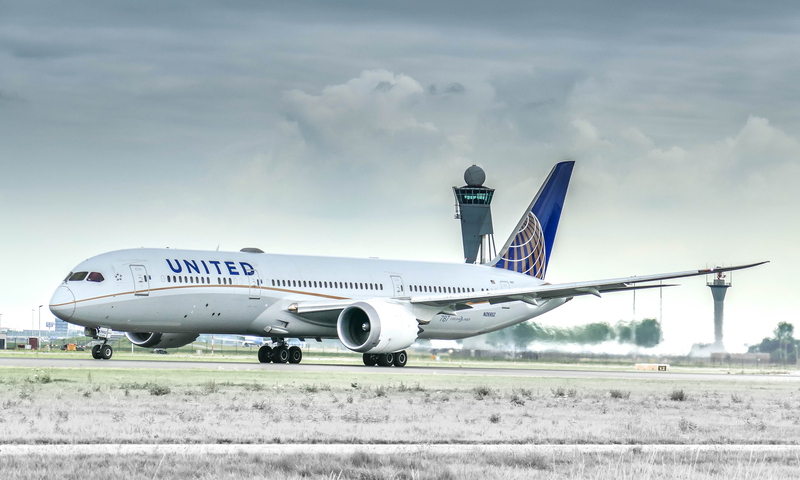
An overweight landing is not the same as an aircraft exceeding its maximum takeoff weight. It means the airplane is above its certified maximum landing weight, a lower structural limit reflecting the loads imposed when the landing gear contacts the runway. Crews may accept that condition when the operational need for an early landing outweighs the benefit of burning or jettisoning fuel.
Boeing’s published performance data for high-gross-weight 757-200 variants lists a maximum takeoff weight of 255,000 pounds and a maximum landing weight of 210,000 pounds. The figures illustrate why a twinjet fueled for a westbound Atlantic crossing can remain above landing weight shortly after departure.
The pilots requested the longest available runway and returned on Runway 28R, Dublin’s North Runway. The 3,110-meter runway is longer than the airport’s 2,637-meter South Runway and provided additional stopping margin for the heavier arrival.
UA316 landed safely about 55 minutes after departure. Dublin Airport fire and rescue personnel, airport operations staff and medical teams were positioned for the arrival. The aircraft taxied to the terminal, where ambulance personnel met it.
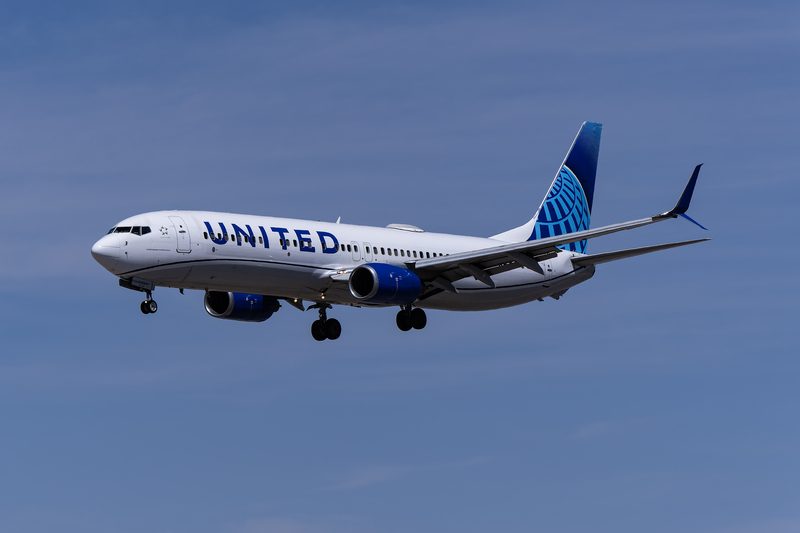
No Fuel Leak Indication Reported
The distinction between a reported fuel odor and a confirmed fuel leak is important. During the radio exchange, controllers asked the pilots whether they believed the aircraft was leaking fuel. The crew said it had no indication of a leak at that stage.
Strong odors can prompt an immediate return even when flight-deck instruments show normal system operation. The crew must consider the possibility of a developing mechanical problem while also accounting for the physical effects of the odor on cabin crew and passengers. In this case, the reports of headaches and nasal irritation added a medical element to the technical event.
The Newark sector was discontinued after the return. The aircraft involved was identified as N14118, a Boeing 757-224 powered by Rolls-Royce RB211 engines. The FAA aircraft registry lists the jet as a 1997 airframe registered to United Airlines, with manufacturer serial number 27560.
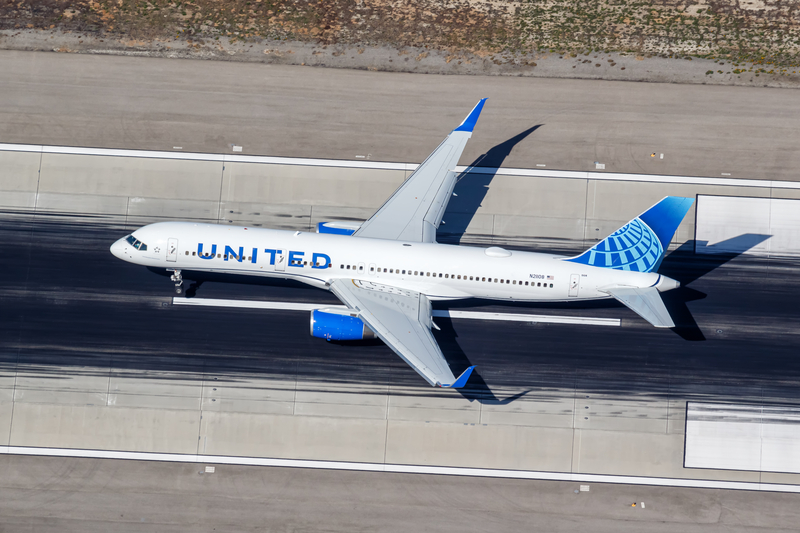
The 757 Remains Well Suited to Dublin-Newark
United uses the 757-200 on thinner transatlantic routes where a widebody may provide more capacity than the market requires. Dublin-Newark is within the performance envelope of the high-gross-weight, extended-range versions that became a mainstay of secondary transatlantic flying.
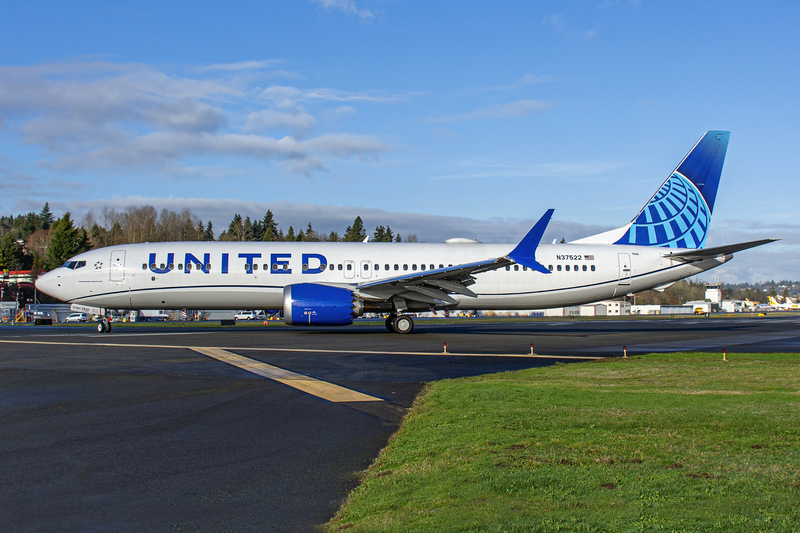
Boeing’s airport planning document describes the 757-200 as a six-abreast narrowbody typically carrying 186 passengers in mixed-class service. High-gross-weight versions have a range of about 3,900 nautical miles and can be equipped for extended overwater operations.
The type combines long-range performance with a smaller cabin than United’s Boeing 767, 777 and 787 fleets. That makes it useful for matching capacity to seasonal European demand while maintaining nonstop access to Newark, one of United’s principal connecting hubs.
The Dublin incident also demonstrates one of the operational consequences of deploying a narrowbody on a long overwater mission: shortly after departure, the airplane can be carrying enough fuel to require an overweight return if a time-sensitive problem develops. The crew’s choice of the longer runway reduced exposure without delaying the landing solely to lower the aircraft’s weight.
Bottom Line
The immediate operational priority was not to determine the precise source of the odor in flight, but to put the aircraft on the ground before the condition worsened or affected more people. The absence of a fuel-leak indication did not remove the need to return once cabin crew and passengers began reporting physical symptoms.
For United, the event underscores both the utility and the increasing maintenance importance of its 757-200 fleet. The aircraft still fills a valuable gap between conventional narrowbodies and widebody jets on Atlantic routes, but N14118 entered service in 1997. Events involving odors require careful troubleshooting because the reported smell, its actual source and any flight-deck indications do not always align.
The key next step will be identifying whether the odor originated in the fuel, engine bleed-air, auxiliary power or another aircraft system, and whether the overweight landing generated additional inspection work. Until that process is complete, the crew’s radio reports establish a serious cabin-air event but not a confirmed fuel leak.