Uganda Airlines is facing a significant operational breakdown after one of its long-haul aircraft was grounded abroad, triggering cascading delays, cancellations, and angry scenes in airport terminals.
One Grounded A330 Sparked A Systemwide Domino Effect
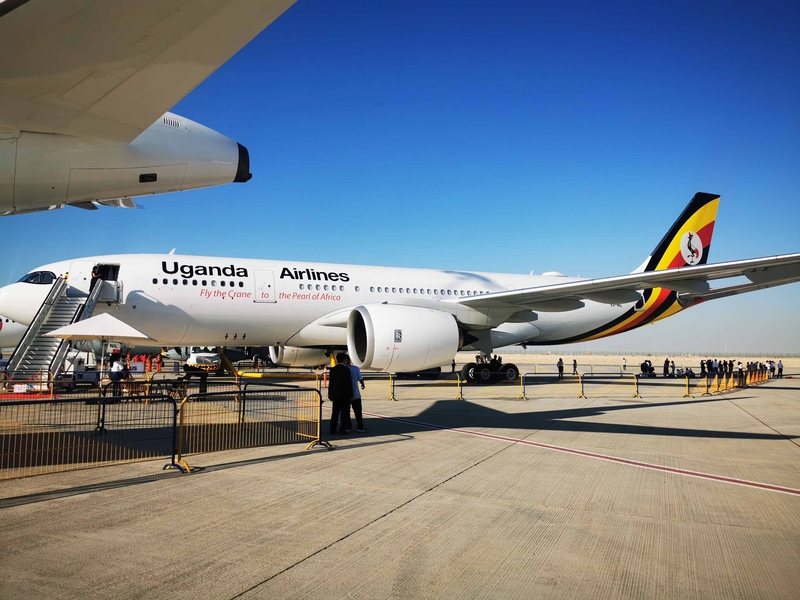
Uganda Airlines operates a small widebody fleet, with two Airbus A330-800neos handling most long-haul flying. On December 8, 2025, one of those aircraft reportedly operated a flight from Entebbe (EBB) to Lagos (LOS) and has remained grounded there since.
When an airline’s published schedule assumes two widebodies, losing one—especially without an immediate replacement aircraft—creates an instant capacity crisis. In this case, the remaining A330 has been left to cover routes that normally require two aircraft, including services to markets such as Dubai, London, and Mumbai, while also trying to backfill disrupted rotations.
Read our stories in your inbox
Two aviation newsletters. Zero fluff.
Delays Have Stretched Into The “Days,” Not Hours
Instead of a clean schedule reduction (fewer flights, but operating roughly on time), the disruption has reportedly produced a pattern of extreme, rolling delays. Some flights have departed far outside their original windows, with passengers describing situations where departure times moved repeatedly and where “same-day travel” became uncertain.
That lack of predictability appears to be one of the biggest triggers of frustration: travelers arriving at the airport prepared to fly, only to learn their flight is delayed well beyond what most people would consider a normal disruption.
Passenger Anger Fueled By Communication Breakdowns
The operational hit of losing a widebody is understandable. The sharper criticism has centered on how the airline has reportedly managed customer communication and ground handling during the disruption.
Passenger accounts describe:
-
Late notice of cancellations or major reschedules
-
Limited clarity on revised departure times
-
Overwhelmed or unavailable customer-service touchpoints at airports
-
Travelers left to piece together information on their own
When communication fails during irregular operations, even a manageable aircraft shortage can quickly become a reputational crisis—because passengers don’t just feel delayed, they feel abandoned.
Why Small Fleets Are Vulnerable To “Single Aircraft” Failures
For larger carriers, a grounded aircraft can often be covered by:
-
Substituting another aircraft type
-
Pulling a spare from the network
-
Leasing in short-term capacity
-
Reprotecting passengers via partner airlines
Smaller airlines—especially those with just two long-haul aircraft—have far fewer levers to pull. If there is no immediate spare and no rapid leasing plan, the disruption can last weeks, not days, because the entire long-haul schedule becomes a constant tradeoff of which route to save next.
Longer-Term Pressure Adds To The Stakes
Uganda Airlines has also faced ongoing scrutiny over sustainability and performance since its relaunch in 2019. In that context, a high-profile operational disruption can be especially damaging: reliability issues don’t happen in a vacuum—they land harder when an airline is already under pressure to prove long-term viability.
Bottom Line
Uganda Airlines’ current disruption underscores a harsh reality of running long-haul flying with a very small widebody fleet: one grounded aircraft can destabilize the entire network. But the most serious reputational damage appears to be coming not only from the delays themselves, but from reported breakdowns in communication, customer handling, and schedule clarity—the parts of irregular operations that passengers experience most directly.
Keep reading FlyMag
Get the Daily Brief in the morning or the Route Watch weekly recap on Fridays. Or both.