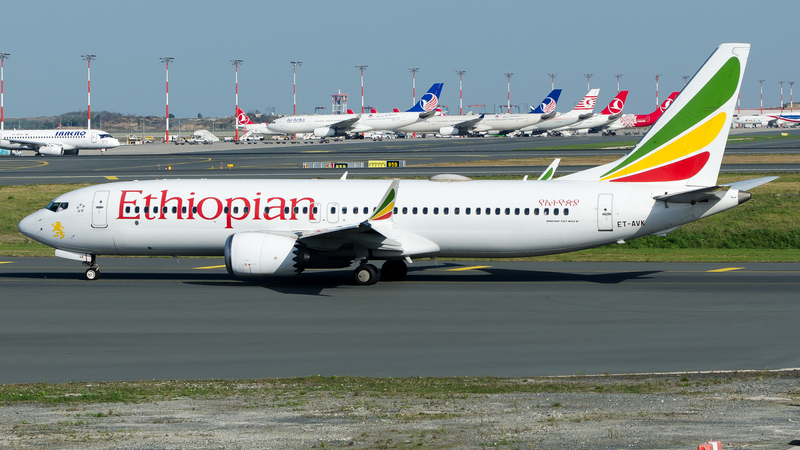
Uganda Airlines has brought in the first of two Boeing 737-800s on wet lease from Ethiopian Airlines, a move that says a lot about where the carrier is right now: still growing in ambition, but very much in short-term fleet-management mode.

The first aircraft, ET-APL, arrived in Entebbe on May 12 and entered service for Uganda Airlines two days later, operating its first flight to Lagos. A second aircraft is expected to follow under the same arrangement.
For aviation readers, this is not just a fleet footnote. It is a practical response to a carrier that has been juggling maintenance constraints, wet-lease stopgaps, and a network that still wants more lift than its in-house fleet can reliably provide.
Read our stories in your inbox
Two aviation newsletters. Zero fluff.
The Ethiopian 737s Replace A Different Wet-Lease Solution
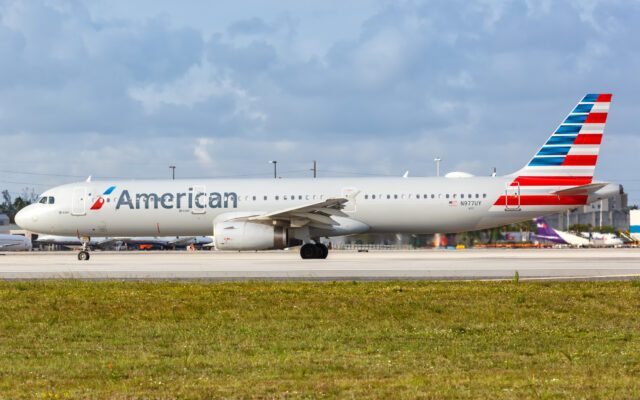
The leased 737-800s are effectively taking over from the Airbus A320 Uganda Airlines had previously wet leased from DAT.
That matters because it shows the airline is not simply adding extra aircraft on top of what it already had. It is rotating through temporary capacity solutions to keep the regional network functioning. The DAT A320 had been flying routes such as Lagos, Abuja, Johannesburg, Nairobi, Kinshasa, Lusaka, and Harare, so the incoming Ethiopian 737s are clearly being used to stabilize and continue that kind of regional work.
This is less an expansion than a replacement and continuity move.
The Fleet Still Has Availability Problems
The wet lease only makes full sense when viewed against the current condition of Uganda Airlines’ own fleet.
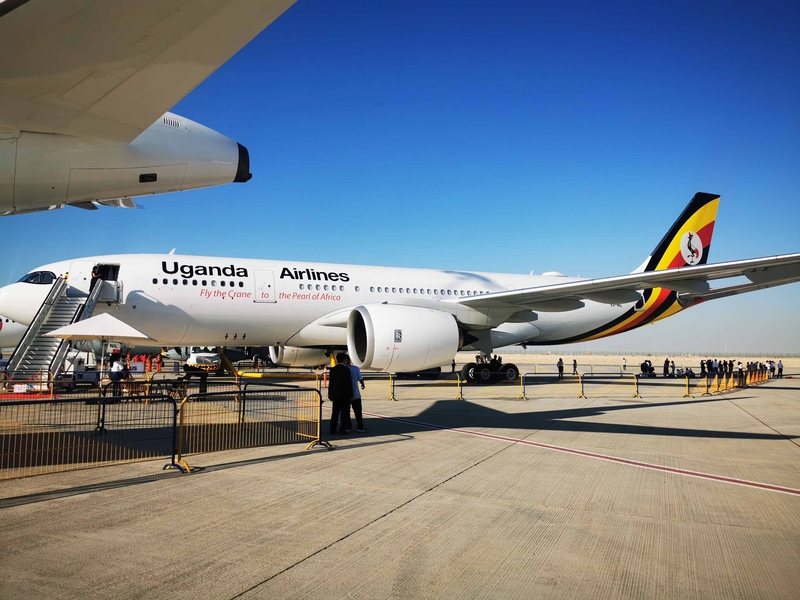
The airline’s long-haul operation has already been under strain because its two Airbus A330-800neos were both grounded for a period due to unscheduled maintenance. One of them has since returned to service and is flying routes such as London, Mumbai, Dubai, and Cape Town, but the other remains out of action.
The regional fleet has its own constraints too, with one of the airline’s CRJ900LRs also parked.
That means Uganda Airlines has not had the fleet depth it needs to protect the network cleanly using only its own aircraft.
Ethiopian Has Already Been Helping On The Long-Haul Side
This new 737 wet lease is also not the first time Ethiopian has stepped in.
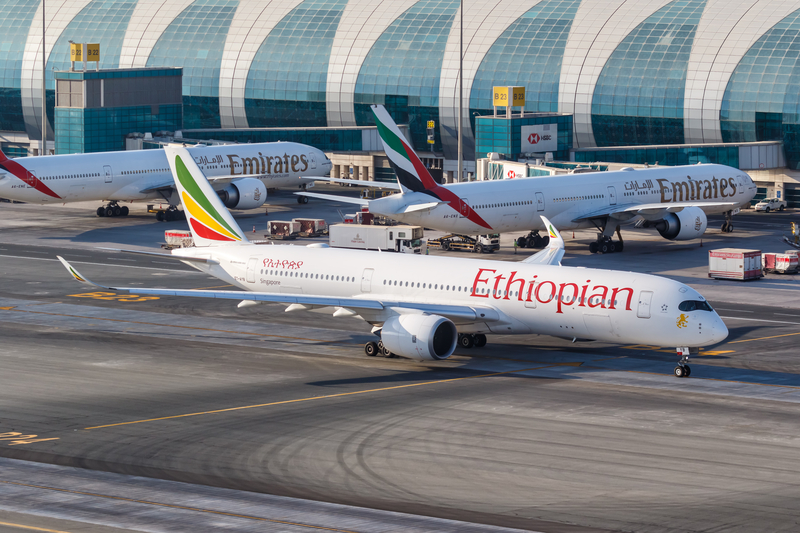
Earlier this year, Ethiopian Airlines temporarily operated Uganda Airlines’ London Gatwick and Mumbai services with a Boeing 787-8 while the A330neos were unavailable. That matters because it shows the relationship between the two carriers is already deeper than a one-off short-haul aircraft arrangement.
In practical terms, Ethiopian has become a key operational backstop for Uganda Airlines at a moment when the Ugandan carrier is still trying to steady its own fleet availability.
The 737-800 Is A Better Fit For Regional Stability
From a network perspective, the 737-800 is a useful aircraft for exactly the kind of routes Uganda Airlines needs to protect.
It gives the airline enough capacity for busy regional sectors, a proven operating platform, and better continuity than trying to stretch a smaller or less available fleet too thin. It also fits the airline’s short- to medium-haul African route structure much more naturally than relying on widebodies or ad hoc substitutions.
That makes the lease practical, even if it is not ideal from a long-term fleet-planning perspective.
This Is A Stability Move, Not A Strategic Fleet Shift
It is important not to overread the significance of the 737s themselves.
Uganda Airlines is not pivoting permanently to Ethiopian-operated Boeing narrowbodies as its future fleet strategy. This is a wet-lease bridge, designed to keep the operation functioning while the airline deals with maintenance issues and waits for a more stable in-house fleet position.
That distinction matters because the bigger strategic questions, future aircraft acquisitions, route growth, and long-term fleet composition, still sit elsewhere.
Bottom Line
Uganda Airlines’ wet lease of two Ethiopian Airlines Boeing 737-800s is a sign of a carrier still managing through fleet constraints rather than operating from a position of full stability. The first aircraft is already in service, replacing the previously leased DAT A320 and helping support regional flying such as Lagos and other African routes.
For Uganda Airlines, this is a practical fix. For observers, it is another reminder that the airline’s growth ambitions are real, but its short-term reality still depends heavily on operational patching.
Keep reading FlyMag
Get the Daily Brief in the morning or the Route Watch weekly recap on Fridays. Or both.