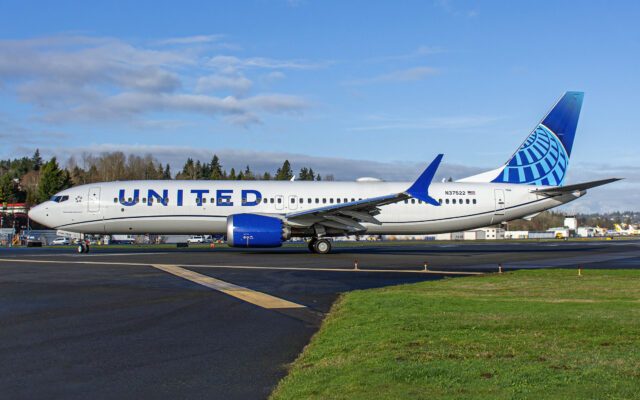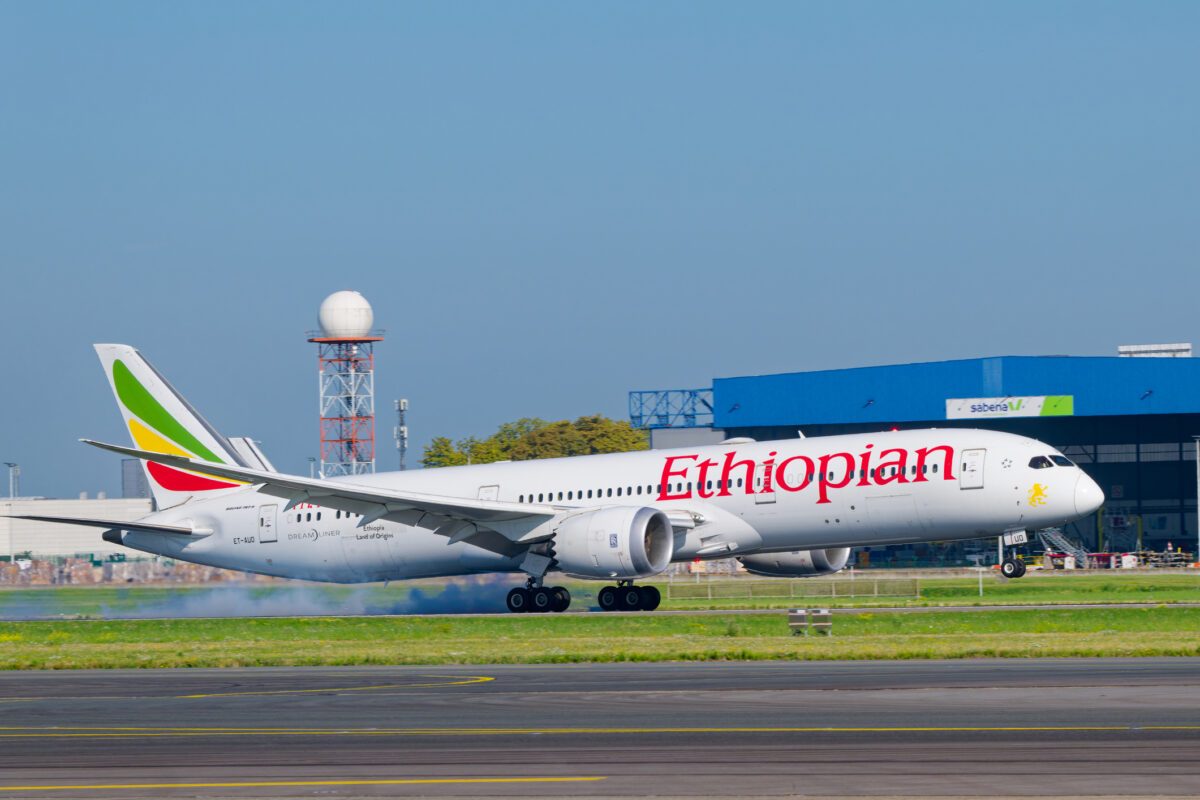
Ethiopian Airlines is making a substantial capacity increase on its newly launched route between Addis Ababa Bole International Airport (ADD) and Sir Seewoosagur Ramgoolam International Airport (MRU) in Mauritius.

Beginning July 29, 2026, the airline will replace the 160-seat Boeing 737 MAX 8 with a 270-seat Boeing 787-8 Dreamliner on all three weekly flights. According to the latest schedule update, the widebody aircraft is currently scheduled to remain on the route through the end of the seasonal service on September 30, 2026.
The aircraft change adds 110 seats per departure, representing a capacity increase of nearly 69%. Ethiopian will now offer approximately 810 seats in each direction per week between Addis Ababa Bole International Airport (ADD) and Mauritius Airport (MRU), compared with 480 seats under the original Boeing 737 MAX 8 schedule.
Read our stories in your inbox
Two aviation newsletters. Zero fluff.
Widebody Upgrade Comes Weeks After Route Launch
Ethiopian Airlines only began flying nonstop between Addis Ababa Bole International Airport (ADD) and Sir Seewoosagur Ramgoolam International Airport (MRU) on July 12, 2026.
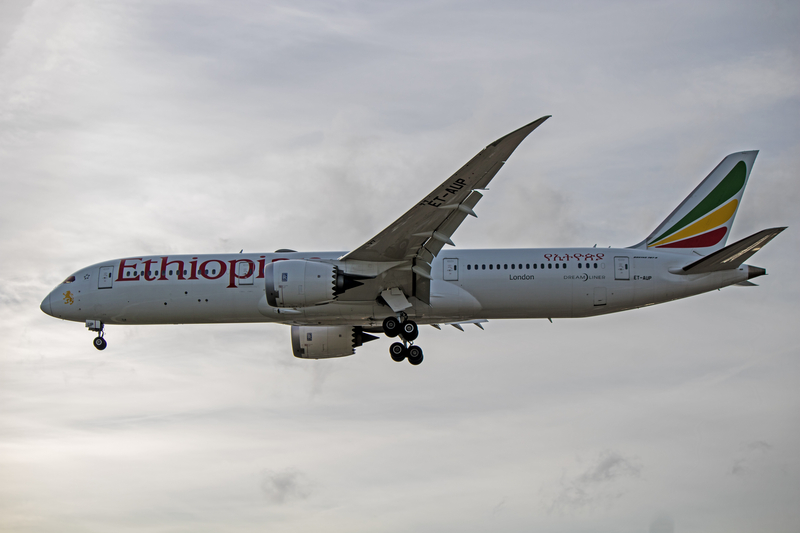
When the carrier announced the Mauritius route, it planned to operate the service on Wednesdays, Fridays, and Sundays with a Boeing 737 MAX 8. Ethiopian configures that narrowbody with 16 Cloud Nine business-class seats and 144 economy seats, for a total of 160 passengers.
Moving to a Boeing 787-8 just 17 days after the inaugural flight is a notable adjustment. Ethiopian has not publicly stated whether the change is being driven by stronger bookings, tour operator demand, cargo requirements, or wider fleet scheduling considerations.
However, assigning a significantly larger aircraft so soon after launch suggests Ethiopian sees an opportunity to capture additional summer traffic between its Addis Ababa Bole International Airport (ADD) hub and Mauritius Airport (MRU).
Boeing 787 Adds Capacity, Comfort, and Cargo Space
The Boeing 787-8 Dreamliner is a twin-aisle widebody aircraft designed for medium- and long-haul operations. Boeing lists a typical two-class capacity of between 200 and 275 passengers, along with a maximum range of up to 8,000 nautical miles.
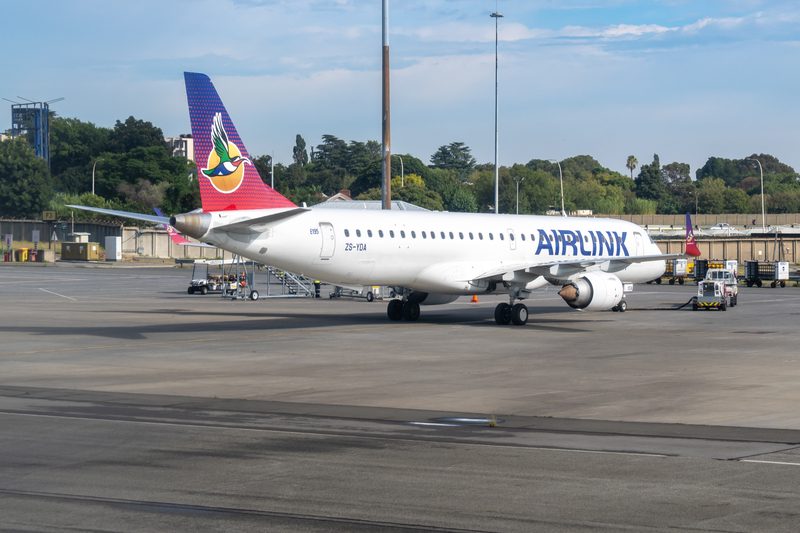
At 186 feet long with a wingspan of more than 197 feet, the 787-8 is considerably larger than the Boeing 737 MAX 8 it replaces. It also offers substantially more lower-deck cargo capacity, an important consideration on a route that could support tourism, fresh produce, mail, and other time-sensitive shipments.
The 787-8 is not required for range on the roughly five-and-a-half-hour flight between Addis Ababa Bole International Airport (ADD) and Mauritius Airport (MRU). Instead, its value lies in its additional passenger capacity, larger premium cabin, twin-aisle layout, and greater cargo capability.
Passengers should also receive a noticeably different onboard experience. The Dreamliner offers larger windows, a wider cabin, improved cabin pressurization, and more space for passengers moving through the aircraft during the flight.
Ethiopian Airlines’ Addis Ababa–Mauritius Schedule
The three-times-weekly schedule remains unchanged despite the aircraft upgrade. All times are local.
ET887: Addis Ababa Bole International Airport (ADD) 8:50 a.m. – Sir Seewoosagur Ramgoolam International Airport (MRU) 3:20 p.m.
ET886: Sir Seewoosagur Ramgoolam International Airport (MRU) 4:15 p.m. – Addis Ababa Bole International Airport (ADD) 8:45 p.m.
Flights operate every Wednesday, Friday, and Sunday. The scheduled block time is five hours and 30 minutes in each direction after accounting for the one-hour time difference between Ethiopia and Mauritius.
Mauritius Gains Access to Ethiopian’s Global Hub
The route gives Mauritius a nonstop connection to Addis Ababa Bole International Airport (ADD), Ethiopian Airlines’ principal hub and one of Africa’s most important connecting airports.
Before launching the nonstop service, Ethiopian carried Mauritius-bound passengers through interline and codeshare arrangements over Johannesburg, Nairobi, and Antananarivo. The direct flight removes those intermediate connections and gives travelers access to Ethiopian’s broader network across Africa, Europe, Asia, the Middle East, and the Americas.
At the other end of the route, Sir Seewoosagur Ramgoolam International Airport (MRU) is Mauritius’ main international gateway. The airport serves the island’s tourism industry while also functioning as an important regional link between Africa, Asia, Europe, and the Indian Ocean market.
The timing of Ethiopian’s flights also supports its connecting-hub strategy. The morning departure from Addis Ababa Bole International Airport (ADD) can collect passengers arriving from other parts of Ethiopian’s network, while the evening return from Mauritius Airport (MRU) positions travelers back at the hub for onward connections.
Bottom Line
Ethiopian Airlines’ decision to move its new Addis Ababa Bole International Airport (ADD)–Sir Seewoosagur Ramgoolam International Airport (MRU) route from a Boeing 737 MAX 8 to a Boeing 787-8 represents a major capacity increase only weeks after service began.
The switch raises available seats by nearly 69%, introduces a full widebody product, and gives Ethiopian considerably more room for both passengers and cargo. While the route remains scheduled as a seasonal operation through September 30, 2026, the early deployment of a Dreamliner indicates that Ethiopian is prepared to commit meaningful capacity to the Mauritius market.
Keep reading FlyMag
Get the Daily Brief in the morning or the Route Watch weekly recap on Fridays. Or both.