Condor has inaugurated a daily service linking Frankfurt (FRA), Abu Dhabi (AUH) and Bangkok Suvarnabhumi (BKK), adding a one-stop alternative alongside its existing daily nonstop flight between Frankfurt and the Thai capital.

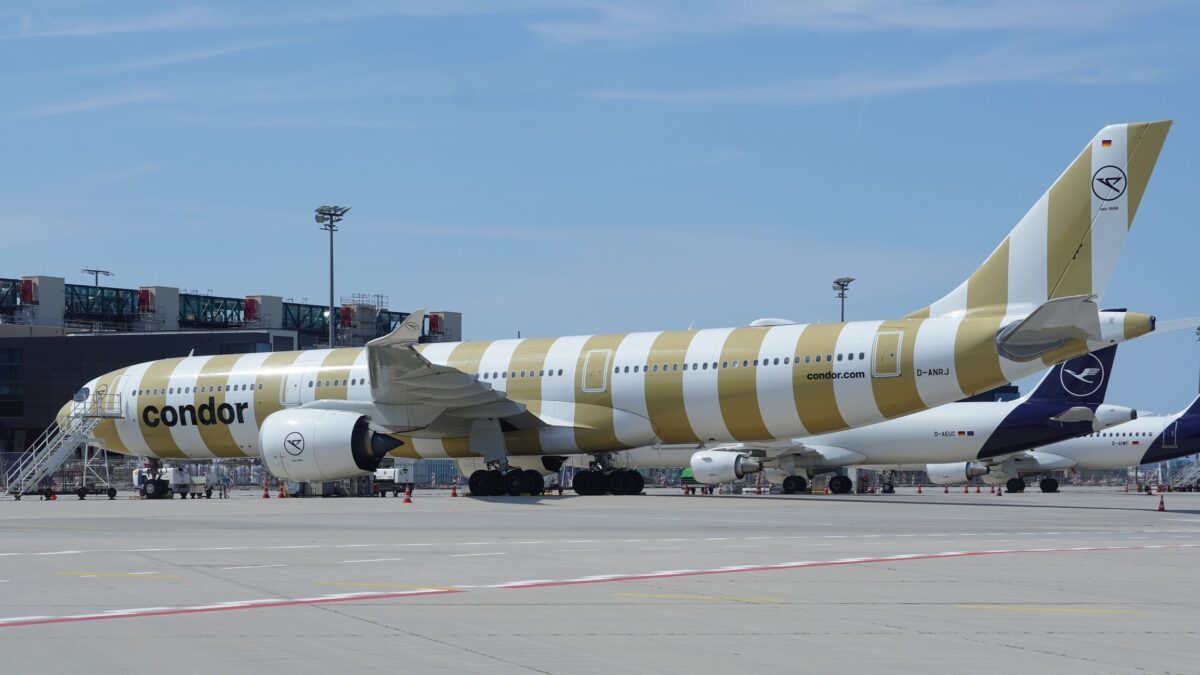
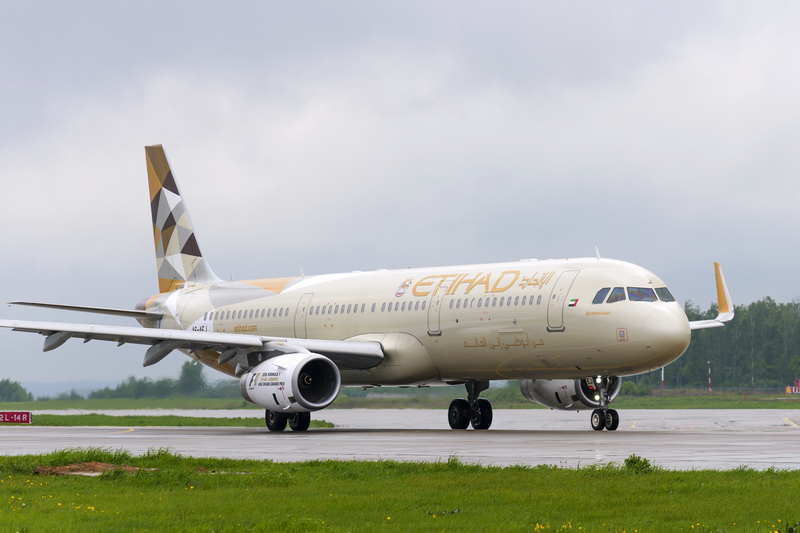
The first flight departed Frankfurt on November 4, 2026. Condor operates the full routing with an Airbus A330neo, while Etihad Airways places its code on the service as part of the airlines’ expanding commercial partnership.
Condor said the new operation provides coordinated connections at AUH, through-ticketing and baggage checked to the final destination. The arrangement also opens Etihad’s wider network in Asia, Africa and Australia to passengers originating in Frankfurt.
Read our stories in your inbox
Two aviation newsletters. Zero fluff.
A Second Daily Option to Bangkok
The launch does not replace Condor’s nonstop Frankfurt–Bangkok operation. Instead, the airline is offering two daily ways to travel between the cities: a direct flight and the new service stopping in Abu Dhabi.
That distinction gives Condor more than an additional Frankfurt–Thailand itinerary. The aircraft can carry passengers traveling only between Frankfurt and Abu Dhabi, passengers using AUH as a connection point, traffic between Abu Dhabi and Bangkok, and travelers remaining on the through service between Germany and Thailand.
The route structure gives Condor more ways to fill the same aircraft than a conventional point-to-point leisure flight. It can draw on its established German sales base while adding access to Etihad’s hub traffic and the substantial local market between the Gulf and Southeast Asia.
The operation also expands Condor’s winter capacity to Thailand without requiring every passenger to originate in Germany. That is particularly relevant on a daily widebody service, where connecting and local traffic can help support year-round frequency beyond the strongest European vacation periods.
Frankfurt Airport included the service in its winter schedule, confirming that the Condor flight continues from Abu Dhabi to Bangkok. The airport expects as many as three daily Frankfurt–Abu Dhabi departures from December as Etihad adds another frequency of its own.
Condor Builds an Abu Dhabi Operation
The through service is the latest stage in a partnership first outlined in December 2025, when Condor and Etihad announced a codeshare covering new flights from Germany to the UAE capital.
Condor originally planned daily Frankfurt–Abu Dhabi service with the A330neo and a daily Berlin (BER) route using the smaller Airbus A320neo. The airlines positioned AUH as a connecting point for Condor passengers traveling to Southeast Asia, Japan, China and Australia.
Bangkok subsequently became a larger part of that plan. At the IATA annual meeting in June 2026, the carriers announced Condor’s Abu Dhabi–Bangkok service and an agreement allowing Etihad Guest members to redeem miles on Condor flights.
The addition made Bangkok the third spoke in Condor’s planned Abu Dhabi operation, after Frankfurt and Berlin. Condor began its daily Berlin–Abu Dhabi service in October, using a 180-seat A320neo, before launching the Frankfurt–Bangkok through flight in November.
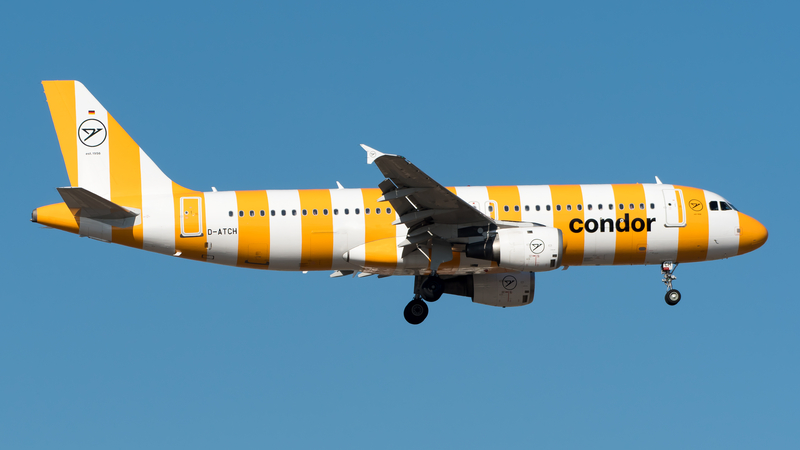
Condor’s presence at AUH therefore extends beyond feeding passengers into flights operated by Etihad. It is deploying its own aircraft on both sides of the hub and selling capacity on a route that Etihad also serves.
Etihad has meanwhile increased its own Bangkok presence. The airline introduced the Airbus A380 on a daily Abu Dhabi–Bangkok frequency in October 2026. Condor’s A330neo adds another partner-operated option on the same market, with the codeshare allowing the airlines to coordinate sales across their complementary networks.
A330neo Provides a Three-Class Product
Condor operates the route with the Airbus A330neo, the type that has formed its entire long-haul fleet since March 2024. The airline has 18 of the widebodies, replacing the Boeing 767 fleet that previously underpinned its intercontinental network.
The Condor A330neo is the A330-900 variant and carries 310 passengers in three classes. Its cabin has 30 lie-flat Business Class seats, including four Prime Seats in the first row, 64 Premium Economy seats and 216 Economy seats.
Every Business Class seat has direct aisle access in a 1-2-1 layout. The comparatively large Premium Economy cabin is also significant for a route combining leisure demand to Thailand with corporate and connecting traffic through Abu Dhabi.
According to Condor’s technical specifications, the aircraft has a range of 12,600 kilometers and is powered by two Rolls-Royce Trent 7000 engines. Its range is more than sufficient for each sector of the one-stop operation, while the 310-seat layout provides the capacity needed to serve several traffic flows through AUH.
The aircraft also gives Condor a consistent premium product across the nonstop and one-stop Bangkok options. That matters for passengers comparing departure times or connecting itineraries rather than choosing solely on whether the flight stops en route.
Bottom Line
The principal beneficiary is Condor’s network rather than any single city pair. Abu Dhabi gives the airline access to connecting demand that Frankfurt-origin leisure traffic alone cannot provide, while the onward Bangkok sector creates another use for an A330neo already serving the Gulf. Etihad gains additional Germany capacity, access to Condor’s European feed and another daily aircraft linking its hub with Southeast Asia.
The arrangement also shows Condor moving further from the model of a predominantly German point-to-point vacation carrier. Operating its own widebody beyond a partner’s hub is a more ambitious step than simply placing a code on Etihad flights. The next measure will be whether the airline can sustain daily year-round loads across all three markets—Frankfurt–Abu Dhabi, Abu Dhabi–Bangkok and Frankfurt–Bangkok—without weakening the existing nonstop service.
Further expansion at AUH will depend on how effectively Condor and Etihad coordinate schedules, pricing and loyalty benefits. If the Bangkok operation performs, Abu Dhabi could become a practical second long-haul connecting platform for Condor, complementing Frankfurt while giving the airline a larger role in traffic flows between Europe and Asia.