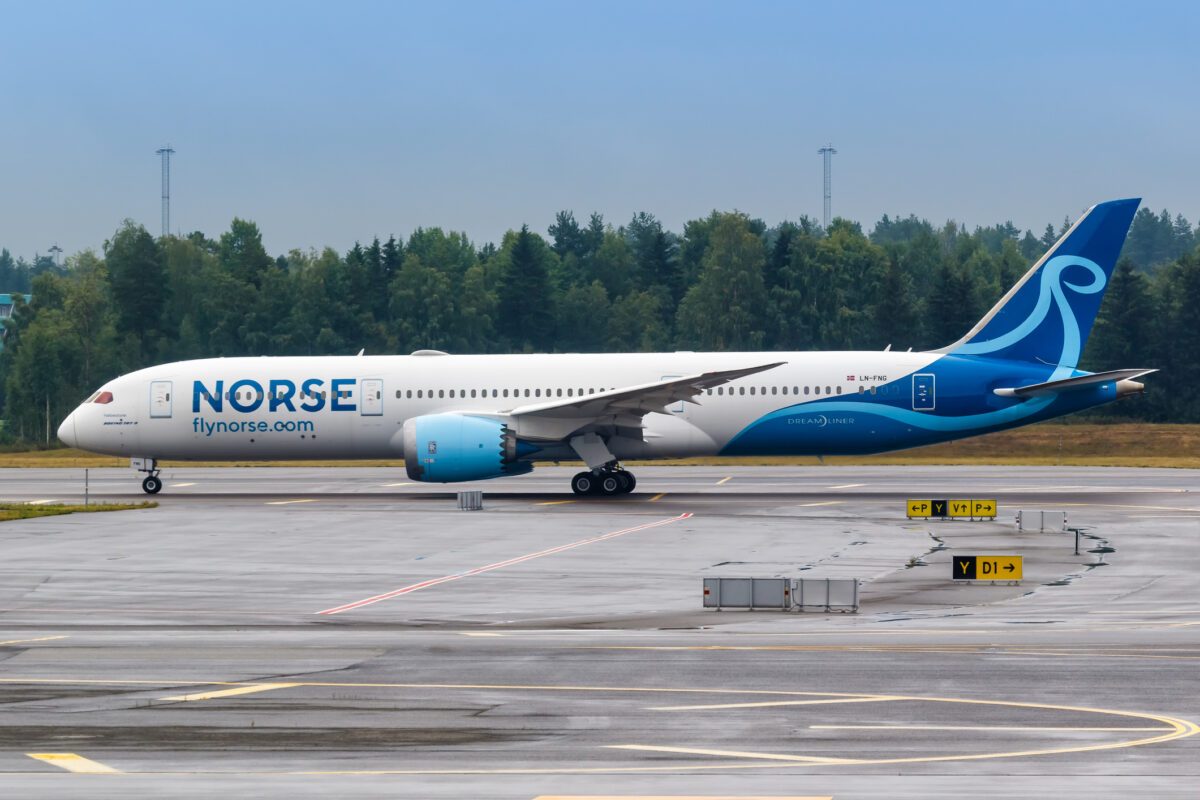
Norse Atlantic Airways will provide Pakistan International Airlines with two Boeing 787-9 Dreamliners under an ACMI agreement covering services between the United Kingdom and Pakistan.

Flying is expected to begin at the start of November 2026, according to the airlines’ joint announcement. Norse will supply the aircraft, flight and cabin crews, maintenance and insurance, giving PIA additional widebody capacity without inducting another aircraft type into its own operation.
The airlines described a multi-destination program linking the two countries. PIA Chief Executive Amir Hayat said the additional aircraft would expand capacity in one of the carrier’s most important international markets, while Norse Chief Executive Eivind Roald positioned the contract as the beginning of a broader relationship.
Read our stories in your inbox
Two aviation newsletters. Zero fluff.
Dreamliners add substantial capacity
Norse operates a uniform fleet of 12 Boeing 787-9s. Its standard aircraft seat 338 passengers across Premium and Economy cabins, making each airframe a significant block of capacity for a market driven by visiting-friends-and-relatives traffic as well as business and student travel.
The layout is denser than the 250-to-325-seat range that Boeing lists for a typical two-class 787-9. The manufacturer gives the type a maximum range of up to 8,300 nautical miles, comfortably beyond the requirements of UK-Pakistan sectors. That margin gives the aircraft ample capability for passenger baggage and lower-deck cargo on flights that typically remain airborne for roughly eight hours.
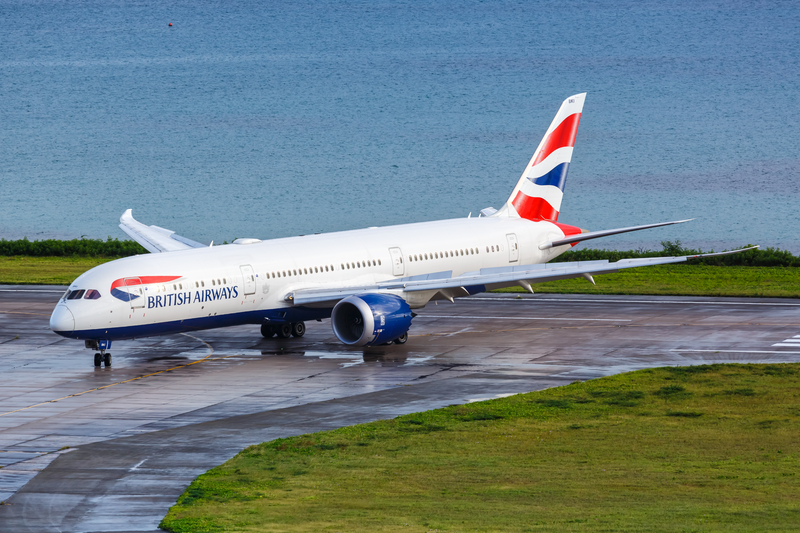
For PIA, the ACMI structure avoids the certification, crew training, maintenance planning and spare-parts investment that would accompany adding an owned or dry-leased 787 subfleet. The Dreamliners will remain on Norse’s operating certificate and be flown by Norse crews, while providing capacity for services sold through PIA’s network.
The arrangement also introduces the 787 into PIA-branded operations. PIA’s existing fleet is centered on Boeing 777 widebodies and Airbus A320-family narrowbodies. The 787-9 offers a newer-generation platform with composite construction, long maintenance intervals and an efficient capacity profile for routes that need more seats than a narrowbody can provide but do not always require the size of the largest 777 variants.
PIA rebuilds its UK network
The additional aircraft arrive as PIA restores its position in Britain following a prolonged absence. The UK suspended PIA’s operating permission in June 2020 after the withdrawal of the airline’s European third-country operator authorization.
Pakistan was removed from the UK Air Safety List on July 16, 2025, clearing an important regulatory obstacle to the resumption of service. PIA subsequently rebuilt its schedule, first returning to the north of England and then re-establishing London flying.
The airline now operates at London Heathrow (LHR) from Islamabad (ISB) and Lahore (LHE). PIA introduced the nonstop Lahore-London service on March 30, 2026, while an operational notice confirms that its Islamabad and Lahore flights use Heathrow Terminal 4. PIA has also been marketing twice-weekly service between Islamabad and Manchester (MAN).
Two 338-seat aircraft would allow PIA to add frequencies, cover more than one UK gateway or release its own 777s for other long-haul assignments. ACMI capacity can also be introduced more quickly than a conventional fleet acquisition, an important consideration for an airline rebuilding schedules in a market with established demand.
Norse finds work for returning IndiGo aircraft
The contract’s timing closely follows the end of Norse’s large wet-lease program with IndiGo. The carriers agreed to discontinue that cooperation effective November 1, 2026, after geopolitical disruption, longer routings and elevated fuel prices weakened the economics of Europe-India operations.
One aircraft returned after IndiGo closed its Manchester route, while the remaining five were due to become available as the agreement ended. Norse said in its July fleet update that it was discussing replacement ACMI work with several airlines.
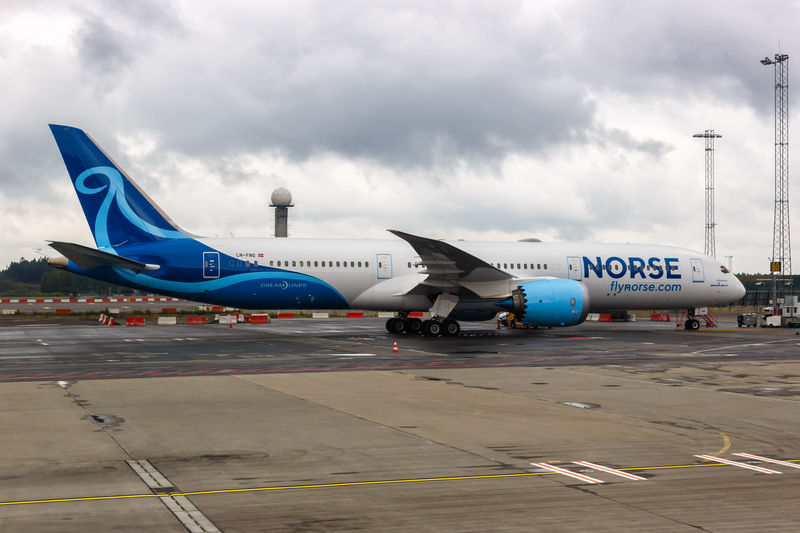
The PIA agreement places two of those Dreamliners into another long-haul assignment with little transition time. That matters for Norse because widebody ownership and lease costs continue even when an aircraft is between contracts. Moving the jets directly from one customer program to another protects utilization and reduces the need to expose all of the returning capacity to Norse’s own scheduled network.
ACMI and charter flying have become a central part of Norse’s model rather than a temporary outlet for spare aircraft. The carrier combines contracted work, which provides more predictable revenue and limits exposure to passenger demand and fuel prices, with a smaller scheduled network concentrated on routes where it believes it can produce stronger returns.
The company reported that charter and ACMI revenue increased more than sixfold in the second quarter of 2026, even as lower-than-planned block hours and operational disruption affected the segment. The PIA deal advances that strategy by matching available aircraft with an airline seeking rapid growth in a long-haul market.
Bottom Line
PIA gains the faster benefit. The carrier can add hundreds of seats per departure in the UK market without waiting for a fleet acquisition, training its own 787 crews or creating a separate technical organization for the type. That provides useful flexibility while it assesses how much demand its restored London and Manchester services can support through a full winter and summer cycle.
For Norse, the agreement is evidence that its Dreamliners can move between scheduled flying and third-party contracts as market conditions change. Securing work for two aircraft as the IndiGo program ends narrows the utilization risk created by the return of six widebodies. The next measure of the strategy will be whether Norse can place the remaining available aircraft on similarly durable contracts rather than relying on short seasonal deployments.
The operating plan will also show how aggressively PIA intends to rebuild in Britain. Deployment across Heathrow and Manchester would favor depth in markets already reopened, while the use of additional UK or Pakistani gateways would signal a broader network restoration. Either way, the 787-9 gives PIA a large, modern capacity increment at a point when its UK operation is moving from relaunch to expansion.
Keep reading FlyMag
Get the Daily Brief in the morning or the Route Watch weekly recap on Fridays. Or both.