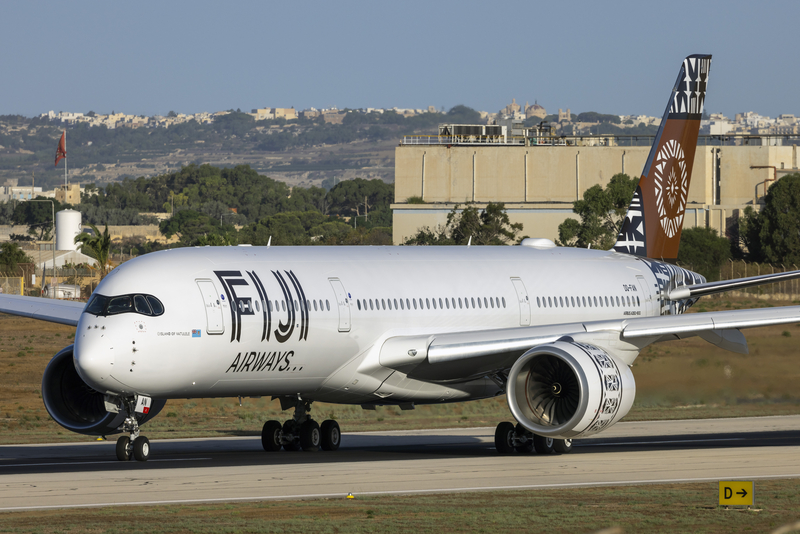
Fiji Airways is giving Vancouver International Airport (YVR) a larger role in its long-haul network, increasing service from Nadi International Airport (NAN) to three weekly flights year-round from June 16, 2026.

That matters because Vancouver is no longer being treated as a limited seasonal extension of the airline’s North American footprint. It is becoming a more stable trans-Pacific bridge between Canada, Fiji, and the wider South Pacific. The new schedule also includes additional seasonal capacity on selected peak-period dates, which suggests the airline is seeing enough demand to justify a more durable year-round structure rather than relying only on seasonal spikes.
For Fiji Airways, that is an important distinction. A route that moves from lighter seasonal reliance to a steadier year-round pattern usually signals that it has become strategically useful, not just opportunistically profitable.
Read our stories in your inbox
Two aviation newsletters. Zero fluff.
The British Airways Codeshare Gives the Route More Strategic Value
The bigger development may be the commercial one rather than the frequency change alone. British Airways is extending its codeshare partnership with Fiji Airways to cover the Vancouver route, allowing customers from the United Kingdom to book Fiji itineraries via YVR more seamlessly.
In practical terms, that strengthens the London Heathrow Airport (LHR) to YVR to NAN flow and gives Fiji Airways better access to the UK market without having to operate its own aircraft there. It also adds another layer to an existing British Airways partnership that already includes Fiji Airways-operated services via Singapore Changi Airport (SIN), Hong Kong International Airport (HKG), Narita International Airport (NRT), San Francisco International Airport (SFO), and Los Angeles International Airport (LAX).
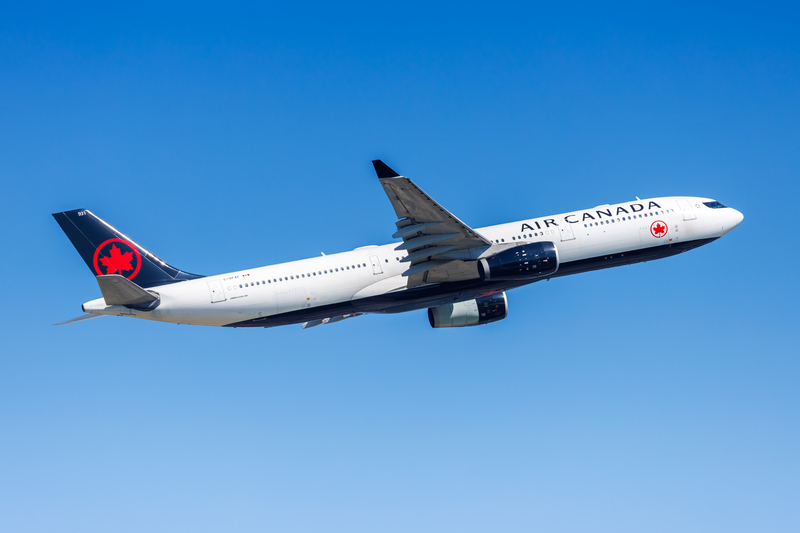
That is a meaningful network-building move. Fiji Airways is using partnership reach to extend its sales footprint well beyond the routes it operates itself, and Vancouver now joins a growing list of gateway points through which the airline can pull traffic into Fiji and onward into the South Pacific.
The Aircraft Fits the Market Well
The Vancouver route is being operated with Fiji Airways’ Airbus A330 fleet, which is a sensible fit for the sector. The Airbus A330 gives the airline the right mix of long-haul range, cargo capability, and two-class capacity for a market that has to balance point-to-point demand with connecting traffic.
That aircraft choice is important. Fiji Airways is not throwing oversized lift into Canada, nor is it trying to serve a long trans-Pacific route with a narrower-margin platform. The A330 gives it a proven long-haul product for a market that still needs to be built carefully, especially when much of the value lies in beyond traffic rather than only local Fiji–Canada demand.
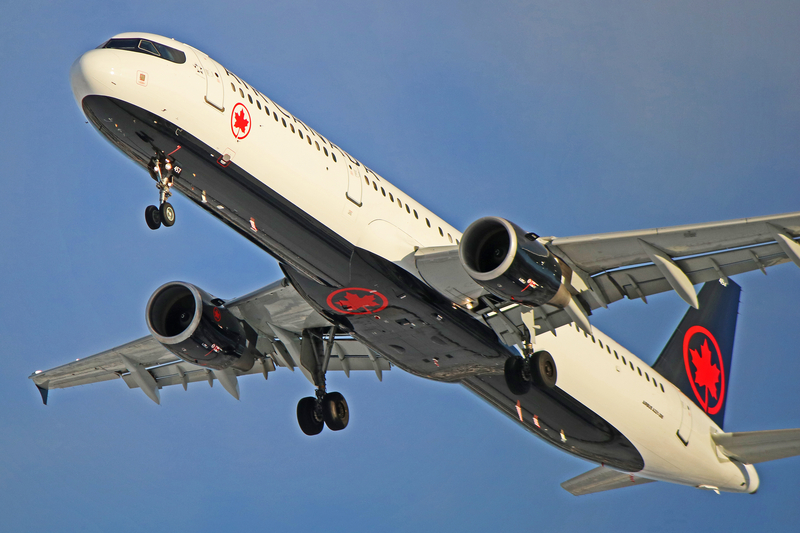
For passengers, the result is a proper long-haul widebody experience. For the airline, the more important benefit is flexibility. The A330 is large enough to support growth, but still disciplined enough for a route that is expanding in measured steps.
North America Is Becoming More Integrated Into the Network
Vancouver’s growth also says something broader about Fiji Airways’ North American strategy. The airline is not simply adding flights in isolation. It is creating a wider set of Pacific gateways that can funnel traffic into NAN, which remains the natural center of the carrier’s international network.
That gives Fiji Airways a stronger hand in markets where geography can be turned into a competitive advantage. NAN works well as a South Pacific connecting point, and the more gateways the airline can support into North America and beyond, the more credible that role becomes.
This is where Vancouver stands out. It is not the largest city in Fiji Airways’ long-haul system, but it is one of the most useful. It links the airline into western Canada, offers strong onward opportunity from the UK through British Airways, and supports a passenger mix that includes tourism, visiting-friends-and-relatives traffic, and broader trans-Pacific connectivity.
Oneworld and AAdvantage Make the Move More Powerful
The timing also works in Fiji Airways’ favor because the airline is now operating in a more integrated alliance environment than it was in the past.
Since becoming a full oneworld member and adopting the American Airlines AAdvantage program as its loyalty platform, Fiji Airways has been able to present itself less as a standalone island carrier and more as a network participant with meaningful global relevance. That matters for a route like YVR-NAN because codeshare growth is always more effective when it sits inside a stronger alliance and loyalty framework.
For travelers, that means easier access, more reciprocal benefits, and a more familiar booking proposition. For Fiji Airways, it means Vancouver can grow not only through local demand, but through alliance-fed traffic that sees NAN as part of a broader connected system.
This Is a Network-Quality Move, Not Just a Capacity Increase
The easiest way to read this announcement is as a simple Canada expansion. That would undersell it.
What Fiji Airways is really doing is improving the quality of its North American network. The added Vancouver frequency increases reliability and choice. The British Airways codeshare broadens the market the route can draw from. And the use of Airbus A330 widebodies keeps the route aligned with the type of long-haul product passengers expect on a trans-Pacific sector.
That combination is what makes the move strategically interesting. Fiji Airways is not just adding more seats. It is making YVR more useful inside a larger network design.
Bottom Line
Fiji Airways’ Vancouver expansion is a meaningful upgrade to the airline’s North American strategy. Moving NAN-YVR to three weekly flights year-round from June 16, 2026 gives the route more permanence, while the extension of the British Airways codeshare turns Vancouver into a stronger bridge between the UK, Canada, Fiji, and the South Pacific.
The Airbus A330 operation gives the route the right long-haul platform, and the broader oneWorld and AAdvantage framework makes the commercial story stronger than it would have been a few years ago.
For airline professionals, that is the key takeaway. Vancouver is no longer just another long-haul spoke for Fiji Airways. It is becoming a more important Pacific gateway.
Keep reading FlyMag
Get the Daily Brief in the morning or the Route Watch weekly recap on Fridays. Or both.