Caribbean Airlines (BW) has formally opened the door to bids for up to two of its ATR 72-600 turboprops, with both aircraft currently located at Port of Spain’s Piarco International Airport (POS) in Trinidad and Tobago. For a carrier that relies on turboprops to knit together short sectors across the Eastern Caribbean—often into airfields where jet economics or runway performance don’t pencil out—the decision is a noteworthy signal about fleet planning, cash management, and near-term capacity flexibility.

The sale is being offered on a “where-is, as-is” basis, which is industry shorthand for a clean, transaction-focused process: the aircraft stay at POS, buyers perform their own diligence, and the risk (and cost) of ferrying, reconfiguration, and any corrective work sits firmly with the purchaser.
The Aircraft on Offer
The two aircraft are:
Read our stories in your inbox
Two aviation newsletters. Zero fluff.
-
9Y-TTC (msn 989) – planned disposal date March 1, 2026
-
9Y-TTB (msn 973) – planned disposal date October 1, 2026

Interested parties have a tight window. Bids are due by February 6, 2026 at 14:00 local time in Trinidad and Tobago (18:00Z), and the airline is requiring submissions in English.
While Caribbean Airlines hasn’t publicly spelled out the “why” behind the sale, the timing and structure of the process suggest a pragmatic objective: monetizing assets without forcing an abrupt operational cliff. Staggering the disposal dates is particularly telling—it gives the airline the option to reduce turboprop capacity quickly (March) while still keeping a second airframe available longer (October) if schedules, peak-season demand, or maintenance planning require it.
Why the ATR 72-600 Matters in the Caribbean
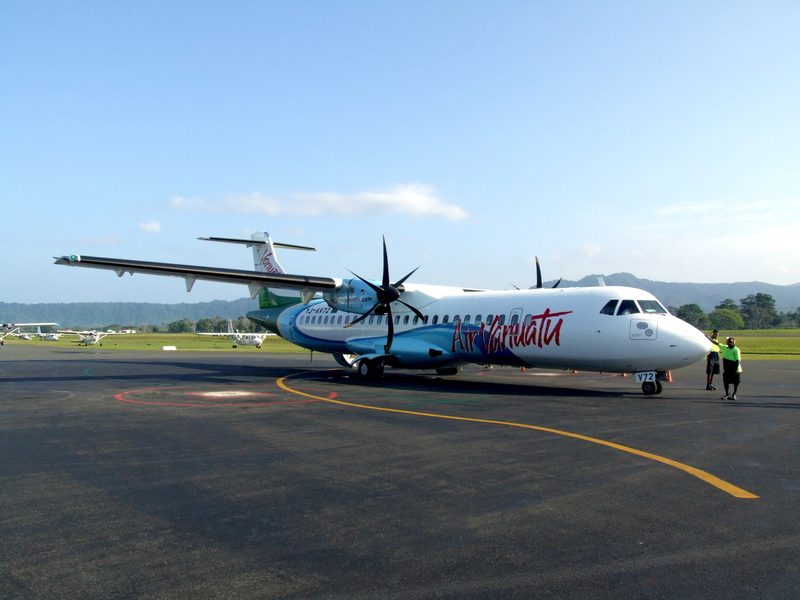
The ATR 72-600 sits in a sweet spot for island networks. In typical airline configurations it’s a 68–72 seat, high-wing, twin-turboprop aircraft powered by Pratt & Whitney Canada PW127-series engines, optimized for short sectors where fast turn times and fuel efficiency matter more than cruise speed.
Operationally, the -600 brings several advantages that network planners in the region care about:
-
Short-field performance and robustness: ideal for smaller Caribbean airports where runway length, obstacle clearance, and infrastructure constraints can limit jet operations.
-
Economics on thin routes: turboprops generally outperform regional jets on short stage lengths where climb and descent dominate the flight profile.
-
Cargo flexibility: even in passenger trim, the type is well-suited to the mixed passenger-and-bags reality of inter-island flying, where payload swings by day and season.
Caribbean Airlines uses its turboprops to support high-frequency regional flying from POS, including core short-haul links such as the Trinidad–Tobago corridor between Piarco International Airport (POS) and Scarborough’s A.N.R. Robinson International Airport (TAB), as well as other inter-island markets.
What Buyers Will Look at First
For prospective operators, a mid-life turboprop can be a strong value—if the paperwork and maintenance status line up. Expect serious bidders to focus on:
-
Cycles and utilization history: ATRs in island service can rack up cycles quickly, and cycle-driven maintenance planning is everything.
-
Engine status and LLP/overhaul visibility: PW127-series engine reserves and upcoming shop visits can make or break the deal economics.
-
Records completeness: logbooks, AD/SB compliance, damage history, and component traceability, especially for aircraft that have spent their entire lives with one operator.
-
Reconfiguration potential: seat count, galley layout, and whether a cabin refresh is needed to match the buyer’s brand or mission.
The “where-is, as-is” approach also tends to attract a specific buyer profile: operators with strong in-house technical capabilities, lessors placing aircraft with known customers, and carriers in regions where demand for proven turboprops is growing faster than OEM delivery slots.
What This Could Signal About Caribbean Airlines’ Direction
Caribbean Airlines has balanced turboprops and Boeing narrowbodies to cover everything from short inter-island hops to longer sectors from POS. If both ATRs ultimately sell, it would represent a meaningful trim to turboprop capacity—potentially indicating one (or more) of the following strategic priorities:
-
Cost and balance-sheet discipline: converting parked value into liquidity is straightforward, especially when industry financing conditions tighten.
-
Network simplification: fewer turboprops can mean tighter scheduling, higher utilization on remaining frames, and less complexity in spares and maintenance planning.
-
Capacity reshaping: shifting where possible toward larger-gauge aircraft on trunk regional routes, while retaining turboprops for the airports and sectors that truly require them.
None of that requires dramatic change overnight—and the staggered disposal timeline strongly implies the airline is trying to preserve optionality rather than forcing immediate cuts.
Bottom Line
Caribbean Airlines’ decision to invite bids for two ATR 72-600s based at Port of Spain Piarco (POS) is more than a routine asset sale. With one aircraft slated for potential exit as early as March 2026 and the other not until October, the carrier is signaling careful, phased capacity management—keeping flexibility for regional connectivity while exploring ways to unlock value from its turboprop fleet.
Keep reading FlyMag
Get the Daily Brief in the morning or the Route Watch weekly recap on Fridays. Or both.