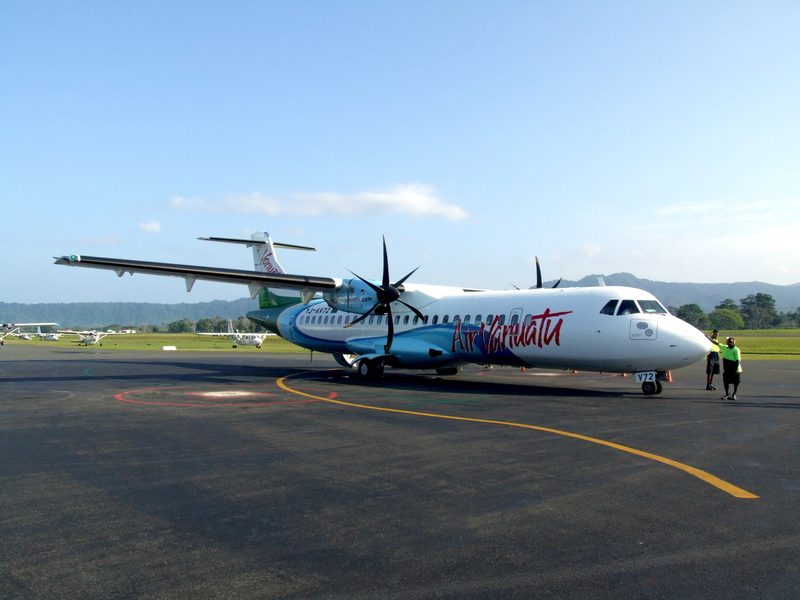
Air Vanuatu (NF) expects its only ATR72-600—registered YJ-AV73—to return to service by the end of February 2026, according to local reporting. The aircraft has been grounded since August 2025 due to engine maintenance issues, forcing the carrier to trim schedules and rely on short-term lift to keep Vanuatu’s core domestic links intact.

For a small island network where air service is essential infrastructure, the reactivation of a single turboprop can materially change capacity, frequency, and connectivity—especially between Port Vila (VLI), Espiritu Santo (SON), and Tanna (TAH).
Why the ATR72-600 matters to Vanuatu’s network
The ATR72-600 is the backbone aircraft type for higher-volume domestic sectors across many Pacific and regional island states. Compared with smaller STOL types, the 70-seat class ATR delivers:
Read our stories in your inbox
Two aviation newsletters. Zero fluff.
-
Lower seat-mile costs on trunk domestic routes
-
Faster block times between islands
-
The ability to consolidate demand onto fewer frequencies while preserving connectivity
With YJ-AV73 out of service, Air Vanuatu leaned more heavily on its DHC-6-300 Twin Otter fleet—excellent for short runways and thin routes, but limited in seat count and range. The absence of the ATR reduced flexibility on busier legs and constrained schedule reliability during peak demand periods.
Engine bottleneck: PW127M supply chain constraints
The grounding was tied to engine maintenance involving the Pratt & Whitney Canada PW127M, the powerplant that equips the ATR72-600. Like much of the regional turboprop market, ATR operators have been dealing with global parts and engine availability constraints, particularly on overhaul timelines.
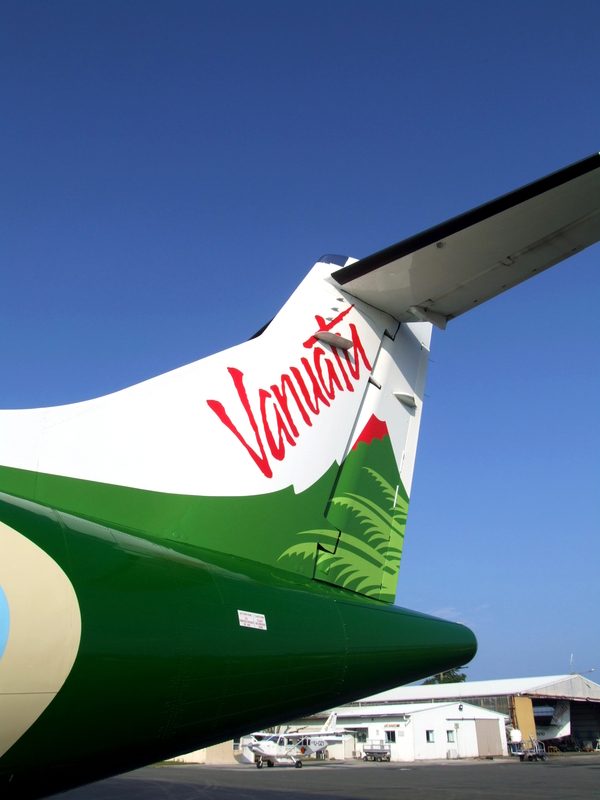
In September 2025, the Vanuatu government approved approximately VUV 300 million (around USD 2.5 million) to fund repairs for both the ATR and a Twin Otter. The extended downtime highlights how smaller carriers are particularly vulnerable to global MRO and component bottlenecks—when you operate one example of a type, there is no fleet redundancy to cushion delays.
Stopgap measures: Wet lease support and fleet reinforcement
During the ATR’s absence, Air Vanuatu relied on wet-leased capacity from Air Calédonie to preserve essential domestic connectivity. For island economies, such arrangements are less about commercial convenience and more about maintaining transport continuity for residents, medical access, and tourism flows.
The airline has also strengthened its smaller-aircraft footprint:
-
In January 2026, it added a fourth DHC-6-300 (YJ-AV15)
-
A second Twin Otter is scheduled to arrive in March 2026
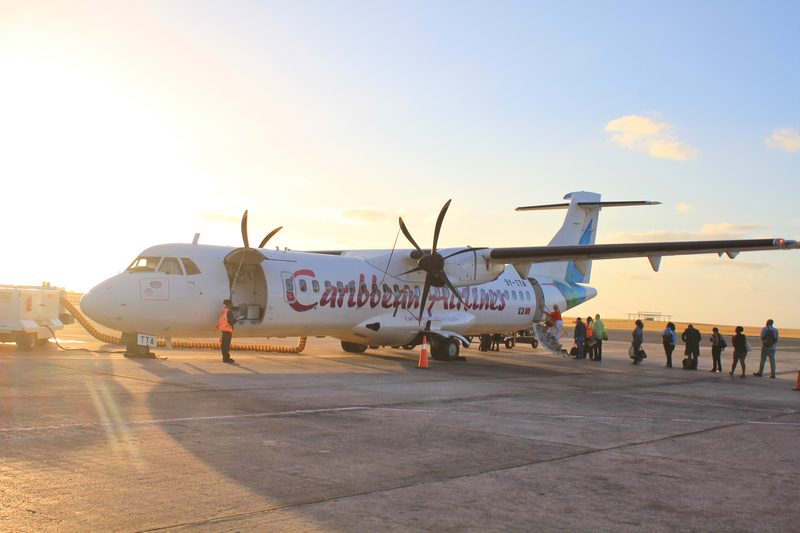
These additions bolster short-field and outer-island capability, but they do not fully replace the capacity and economics of the ATR72-600 on higher-volume sectors.
Fleet snapshot and longer-term outlook
Following its emergence from liquidation in 2024, Air Vanuatu currently operates:
-
1 × ATR72-600 (YJ-AV73)
-
3 × DHC-6-300 Twin Otters (with additional aircraft arriving)
There are also reported plans to add an ATR42 by 2030 to expand domestic capacity and introduce fleet depth in the 40–50 seat segment—a move that would provide operational redundancy and reduce dependence on a single ATR72 frame.
Why this return is strategically important
The reinstatement of YJ-AV73 will likely allow Air Vanuatu to:
-
Restore higher-frequency links between VLI–SON–TAH
-
Reduce reliance on external wet-lease partners
-
Improve per-seat economics on busier domestic legs
-
Rebuild schedule resilience ahead of peak tourism periods
For a small national carrier, returning one aircraft to service can be the difference between constrained operations and sustainable domestic connectivity.
Bottom Line
Air Vanuatu expects its grounded ATR72-600 (YJ-AV73) to return to service by late February 2026 after months sidelined by PW127M engine maintenance delays. The aircraft’s comeback will relieve pressure on domestic routes linking Port Vila (VLI) with Espiritu Santo (SON) and Tanna (TAH), reducing reliance on wet-leased capacity and restoring much-needed seat supply. As the airline rebuilds following its 2024 restructuring, fleet stability—particularly around the ATR platform—remains central to maintaining Vanuatu’s domestic air lifeline.
Keep reading FlyMag
Get the Daily Brief in the morning or the Route Watch weekly recap on Fridays. Or both.
Share this story
Composed for each network — click to share, or copy the composed text for your own timing.