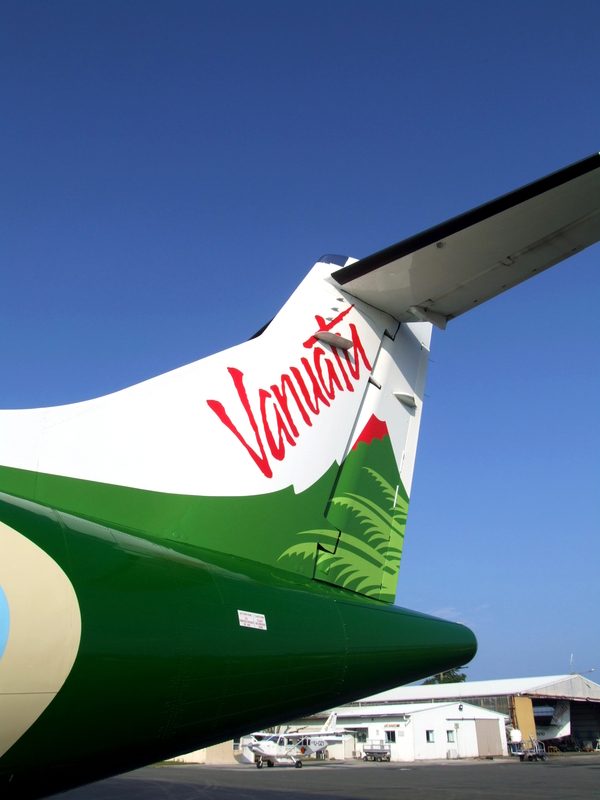
Air Vanuatu (NF) has taken delivery of a fourth De Havilland Canada DHC-6-300 Twin Otter, adding another proven short-field workhorse as the airline restructures and steadily rebuilds its domestic network.

The aircraft, N708GH (manufacturer serial number 481), reached Port Vila/Bauerfield International (VLI) after a multi-stop ferry spanning January 11–20, 2026. The routing ran from Fort Pierce/Treasure Coast International (FPR) via Tulsa Riverside/Richard Lloyd Jones Jr. (RVS), Camarillo (CMA), Santa Maria (SMX), Hilo (ITO), and Pago Pago (PPG) before crossing into Vanuatu.
For a South Pacific network where weather, runway constraints, and thin demand profiles can punish fragile schedules, another Twin Otter isn’t just “one more tail” — it’s more recovery options, more frequency, and more resilience when things inevitably go sideways.
Read our stories in your inbox
Two aviation newsletters. Zero fluff.
Why the DHC-6-300 is built for Vanuatu’s kind of flying
The DHC-6-300 is one of those aircraft types where the mission defines the value. In typical passenger configuration, the Twin Otter is a 19-seat machine with serious STOL (short takeoff and landing) capability — exactly what you want when you’re threading schedules across islands and serving airfields that don’t reward higher-gauge equipment.
Power comes from two Pratt & Whitney Canada PT6A-27 turboprops (the -300 series’ standard fit), giving operators a combination of reliability, strong climb performance, and forgiving handling in short-field ops. That matters in real-world island flying, where payload, runway performance, and diversion planning are everyday concerns rather than edge cases.
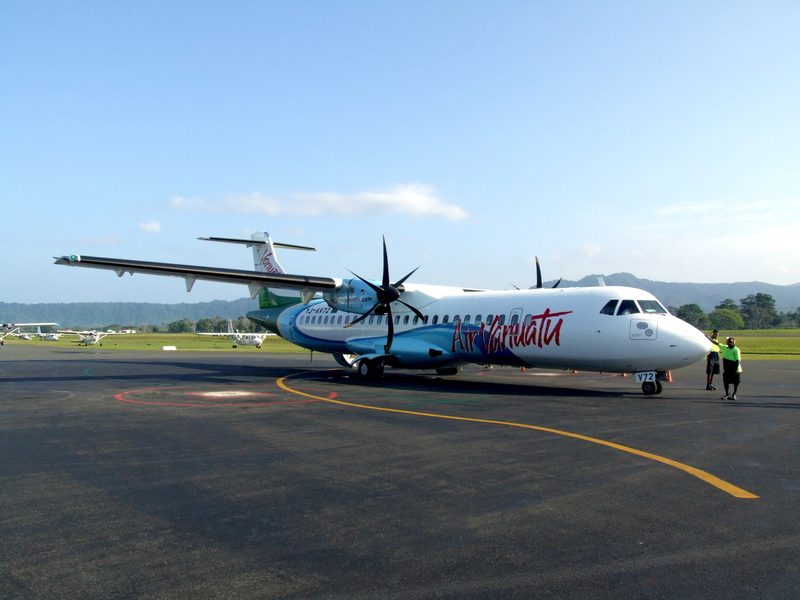
Air Vanuatu’s chairman Robin Deamer framed the delivery in operational terms: improving connectivity, lifting frequency, and making service more reliable for communities across the country. On a network like Vanuatu’s, that’s not marketing language — it’s the core product.
A 1975 airframe with a fresh chapter
N708GH is also a reminder of how long the Twin Otter can stay commercially relevant when the airframe is well-supported and the mission fits.
MSN 481 was delivered new in 1975 to Indonesia’s former state carrier Merpati. After retiring from service in 2014, it sat parked at Biak/Frans Kaisiepo (BIK) for years before being sold through a liquidator auction in 2022. It was later shipped to the United States by sea cargo, refurbished, and then ferried across the Pacific to VLI in January 2026.
For operators, the economics are straightforward: a refurbished Twin Otter can deliver dependable utility at a capital cost that’s hard to match with newer equipment — while still providing the runway performance and right-sized capacity this kind of network demands.
The aircraft is still U.S.-registered (N708GH) for now, but Air Vanuatu expects to re-register it in Vanuatu in the coming weeks, a common sequencing step when delivery timelines move faster than paperwork.
Fleet reality: ATR downtime and targeted wet-lease lift on VLI–SON
This fourth Twin Otter arrives against a very specific backdrop: Air Vanuatu’s higher-capacity domestic aircraft has been constrained.
The airline’s ATR 72-600 — typically a 70+ seat turboprop and a natural trunk-route tool — has been parked since August 1, 2025 due to extended maintenance. The -600 series is powered by Pratt & Whitney Canada PW127M/N engines, and when one aircraft represents your primary higher-gauge domestic lift, downtime quickly becomes a network event.
To cover the gap, Air Vanuatu has periodically turned to wet-leasing, including short-term capacity that has often been deployed almost exclusively on the core domestic trunk between Port Vila (VLI) and Espiritu Santo/Luganville (SON). That split makes operational sense:
-
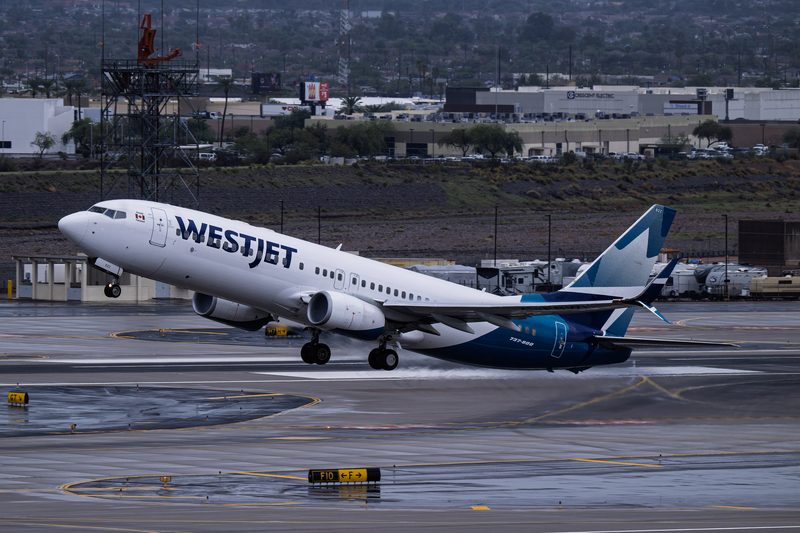
Wet-leased A320-200s and wet-leased ATR 72-600s protect seat volume and schedule stability on the highest-demand sector (VLI–SON).
-
The Twin Otter fleet preserves reach and frequency across smaller domestic points where runway performance and right-sized capacity matter more than unit costs.
Air Vanuatu has not publicly confirmed a firm return-to-service timeline for its ATR 72-600, so the near-term network is likely to remain a careful blend of Twin Otter utilization and targeted wet-lease coverage where capacity is most critical.
Bottom Line
Air Vanuatu’s fourth DHC-6-300 Twin Otter is the kind of fleet move that improves the operation immediately. With N708GH (msn 481) now in Port Vila (VLI) — ferried from Fort Pierce (FPR) via RVS, CMA, SMX, ITO, and PPG — the airline gains a rugged STOL platform that can add frequency, boost schedule recovery options, and keep communities connected while larger-gauge capacity remains constrained.
In a rebuilding phase, reliability is the headline. The Twin Otter is how you deliver it.
Keep reading FlyMag
Get the Daily Brief in the morning or the Route Watch weekly recap on Fridays. Or both.