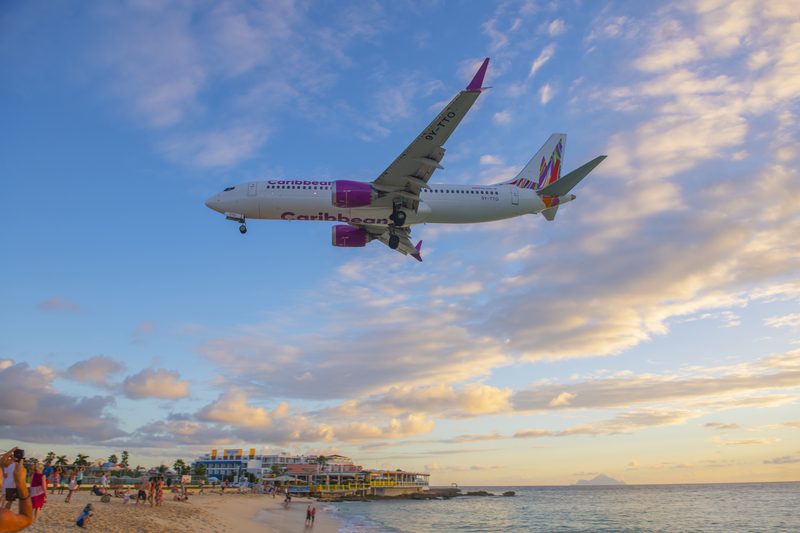
Caribbean Airlines’ long-running Jamaica venture is once again under scrutiny after reports that the carrier has accumulated more than US$250 million in losses tied to the former Air Jamaica operation.
The figure is significant not only because of its size, but because it reopens a debate that has followed Caribbean Airlines for years: whether the 2011 Air Jamaica transaction delivered strategic value that justified its financial cost. According to recent reporting in Trinidad and Tobago, cumulative losses associated with the Jamaican base reached roughly US$254.7 million between fiscal 2012 and fiscal 2025.
That is a striking number for an airline that has already spent much of its recent history dealing with weak profitability, state support questions, and repeated pressure to restructure its business.
Read our stories in your inbox
Two aviation newsletters. Zero fluff.
It Was Never a Simple Takeover
The original framing also needs a small but important correction. Describing the deal purely as an “Air Jamaica takeover” oversimplifies what actually happened.
In 2011, Caribbean Airlines did not simply buy Air Jamaica in the conventional airline-acquisition sense. Instead, the arrangement gave Caribbean Airlines control of key Air Jamaica routes and operations, while the Jamaican government received a 16% equity stake in Caribbean Airlines. The original concept was that one airline could continue operating with two brands, at least for a period, before that dual-brand model was later abandoned.
Air Jamaica itself was eventually folded into Caribbean Airlines in 2015, ending the separate brand in practical terms. But the financial and political consequences of the original arrangement never really disappeared.
Jamaica’s Stake Has Been Diluted
One of the more revealing parts of the current reporting is what has happened to Jamaica’s ownership position over time.
The Jamaican government’s original 16% stake in Caribbean Airlines has now reportedly been diluted to 11.8%. That matters because if the holding falls below 10%, Jamaica would lose its right to appoint a director to the airline’s board under the shareholder arrangement.
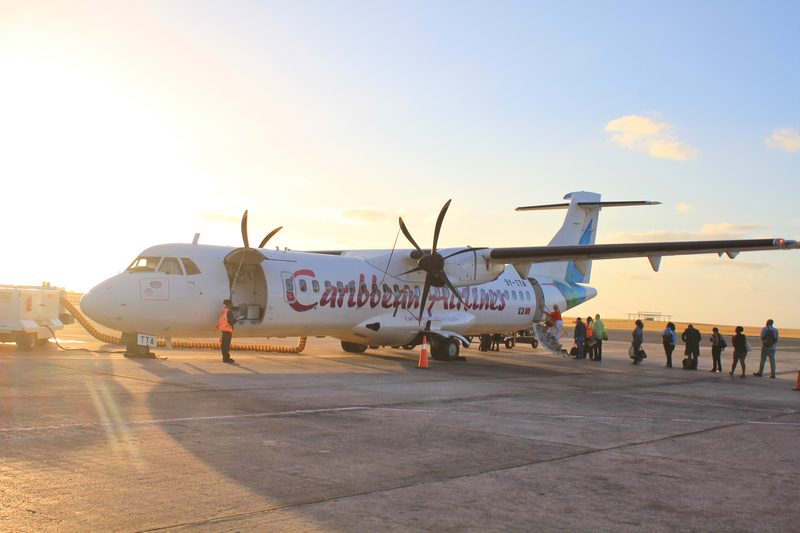
In other words, Jamaica’s influence has been shrinking at the same time that the financial burden of the operation has continued to sit largely on the Trinidad and Tobago side.
That helps explain why the story is becoming politically sensitive again. The issue is no longer just whether the Air Jamaica deal lost money. It is whether the structure of the partnership has become increasingly uneven.
The Jamaica Base Still Had Strategic Value, but the Economics Were Harder
This is what makes the story more complicated than a simple loss figure suggests.
The Jamaica operation was never only about national symbolism. It also gave Caribbean Airlines access to important North American diaspora routes from Kingston Norman Manley International Airport (KIN) and Sangster International Airport in Montego Bay (MBJ), markets that were viewed as strategically valuable when the deal was signed.
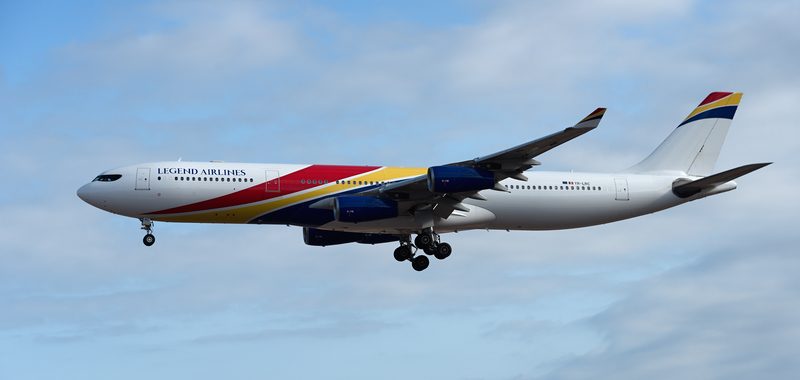
Historically, those routes were flown with Boeing 737 narrowbodies and were intended to strengthen Caribbean Airlines’ North American relevance while preserving a meaningful Jamaican footprint. On paper, the strategy was understandable. In practice, the commercial results appear to have been far weaker than hoped.
That gap between strategic intent and economic outcome is really the heart of the story.
The Jamaica Market Has Also Become More Competitive
The losses also make more sense when viewed against the competitive backdrop.
Jamaica’s U.S. and Canada markets are heavily exposed to price-sensitive visiting-friends-and-relatives traffic, strong leisure flows, and competition from other carriers. That is not an easy environment for a state-backed regional airline with a relatively high cost base to dominate.
Recent route decisions underline the strain. In November 2025, Caribbean Airlines dropped its Fort Lauderdale-Hollywood International Airport (FLL) services from both KIN and MBJ, citing poor performance. That move was a reminder that even routes with obvious diaspora relevance do not automatically deliver sustainable margins.
For airline professionals, that is one of the clearest signs that the Jamaican operation was not failing only because of historic decisions. It was also struggling in a market that had become structurally harder to defend.
This Lands at a Difficult Time for Caribbean Airlines
The timing is especially awkward because Caribbean Airlines is already under pressure to fix its wider business.
The Trinidad and Tobago government has been pushing for a broader overhaul of the airline, with management under clear pressure to improve financial performance. Recent reporting has also pointed to executive turnover, restructuring efforts, and discussions around additional support or a fresh rescue package.
That means the Air Jamaica losses are not being revisited in isolation. They are being revisited at exactly the moment Caribbean Airlines is trying to justify its future shape, its state backing, and its long-term viability.
In that context, the Jamaica figures become more than historical accounting. They become part of a much larger argument about whether the airline’s current model still works.
Bottom Line
The reported US$254.7 million loss tied to the former Air Jamaica operation is not just an uncomfortable historical statistic. It is a reminder of how expensive strategic airline deals can become when political logic and commercial reality drift apart.
Caribbean Airlines gained access to important Jamaican routes and market presence through the 2011 arrangement, but the financial burden appears to have been far heavier than originally expected. At the same time, Jamaica’s equity stake has been diluted from 16% to 11.8%, raising fresh questions about who has carried the cost and who still holds meaningful influence.
For aviation readers, the real takeaway is straightforward: the Air Jamaica deal may have made strategic sense on paper, but 15 years later it is increasingly being judged by the losses it left behind.
Keep reading FlyMag
Get the Daily Brief in the morning or the Route Watch weekly recap on Fridays. Or both.