With Bahrain and Iraq reopening their airspace, two national carriers have started moving from contingency flying back toward scheduled service. The headline is straightforward: Gulf Air is operating again from Bahrain International Airport (BAH), and Iraqi Airways has restarted flights from Baghdad International Airport (BGW). The more important story, however, is how each airline is returning. Neither carrier is snapping back to a full pre-disruption network. Both are rebuilding in controlled phases, and both are still operating in a region where schedule resilience matters as much as schedule volume.
Gulf Air Returns to BAH, but DMM Is Still Part of the Recovery
For Gulf Air, the restart at Bahrain International Airport (BAH) is only part of the picture. During the Bahrain airspace shutdown, the airline did not simply go dormant. Instead, it shifted a meaningful portion of its operation to King Fahd International Airport (DMM) in Dammam, preserving a bridge between Bahrain-origin demand and the outside world. The first commercial sectors operated via DMM included London Heathrow Airport (LHR), Chhatrapati Shivaji Maharaj International Airport in Mumbai (BOM), and Suvarnabhumi Airport in Bangkok (BKK). Gulf Air then widened that temporary network, adding destinations such as Cairo International Airport (CAI), Mohammed V International Airport in Casablanca (CMN), Chennai International Airport (MAA), Frankfurt Airport (FRA), and Jomo Kenyatta International Airport in Nairobi (NBO).
That matters because it shows Gulf Air was managing a live disruption rather than waiting passively for airspace access to return. For an airline with a hub-and-spoke structure centered on BAH, a temporary operating base at DMM allowed it to keep aircraft cycles moving, maintain a degree of commercial continuity, and continue serving stranded or time-sensitive traffic. Just as important, Gulf Air built an overland component into that recovery model, with Bahrain-linked itineraries supported by ground transport and transit-visa arrangements over the King Fahd Causeway. From an operational standpoint, that is not a minor detail. It is a sign of an airline using every available lever to protect network utility.
Read our stories in your inbox
Two aviation newsletters. Zero fluff.
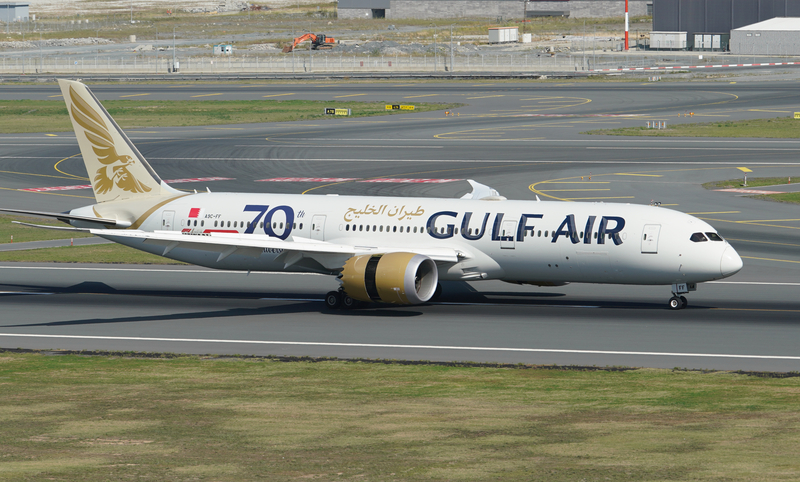
The return to Bahrain flying is now underway, but in a measured form. The first scheduled Gulf Air departure from Bahrain International Airport (BAH) after the reopening was the April 9 service to King Khalid International Airport in Riyadh (RUH). That flight was operated by Airbus A320neo A9C-TG, an Airbus A320-251N. For aviation readers, that detail is worth pausing on. The A320neo is one of the airline’s core short- and medium-haul workhorses, bringing lower fuel burn and improved economics compared with older narrowbodies. In Gulf Air’s neo-HD layout, the type carries 150 passengers, with 12 seats in Falcon Gold and 138 in Economy, making it a logical aircraft for a route such as BAH–RUH where frequency, turnaround discipline, and unit cost all matter.
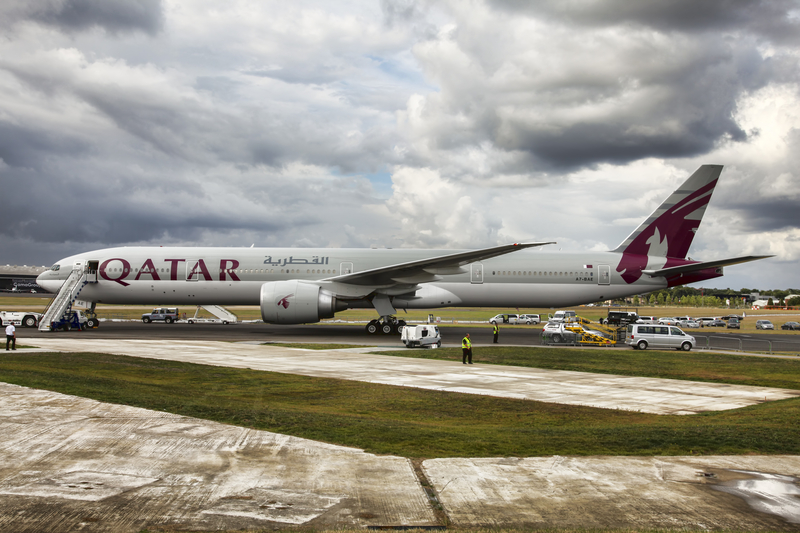
Gulf Air’s current schedule underlines that the airline is rebuilding with a dual-track approach rather than treating DMM as a closed chapter. Bahrain International Airport (BAH) has returned to service on routes including London Heathrow (LHR), Riyadh (RUH), Jeddah (JED), Dubai International Airport (DXB), Hazrat Shahjalal International Airport in Dhaka (DAC), Allama Iqbal International Airport in Lahore (LHE), Islamabad International Airport (ISB), Nairobi (NBO), and Istanbul Airport (IST). At the same time, King Fahd International Airport (DMM) continues to support sectors such as Athens International Airport (ATH), Cairo (CAI), Casablanca (CMN), Mumbai (BOM), Chennai (MAA), Thiruvananthapuram International Airport (TRV), Kochi International Airport (COK), Bangkok (BKK), and Manila Ninoy Aquino International Airport (MNL). In other words, the airline is not merely restarting. It is layering recovery on top of a contingency structure that is still doing useful work.
Iraqi Airways Takes the Phased Route Back
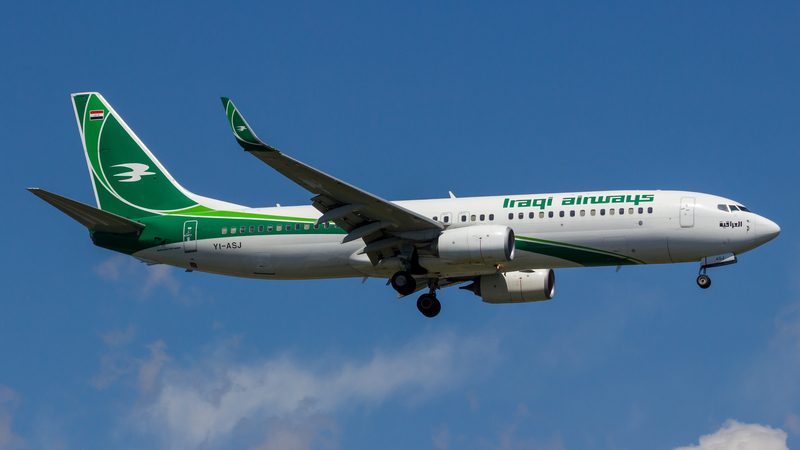
Iraqi Airways is following a different, but equally rational, playbook. After Iraq reopened its airspace, the carrier moved to restart scheduled operations from Baghdad International Airport (BGW) on April 10. The airline’s first phase is deliberately narrow. Domestic flying has been restored to Erbil International Airport (EBL), Sulaymaniyah International Airport (ISU), and Basra International Airport (BSR). Internationally, the initial focus is on Istanbul Airport (IST), Cairo International Airport (CAI), and Queen Alia International Airport in Amman (AMM).
That is the kind of phased relaunch aviation professionals tend to respect. Domestic and short-regional sectors are usually the most sensible first wave after a prolonged disruption. They are shorter, easier to recover operationally, less exposed to long-haul crew and aircraft positioning complications, and more useful in restoring passenger confidence. They also allow an airline to rebuild dispatch reliability, station coordination, and turnaround flow before adding more complexity back into the system.
The structure of Iraqi Airways’ fleet also makes that strategy logical. The carrier’s public fleet mix includes the Airbus A220, Boeing 737 family aircraft, and Boeing 787 Dreamliners. That gives the airline a practical ladder for recovery. Narrowbodies can rebuild the domestic and regional backbone from Baghdad International Airport (BGW), while larger aircraft remain available for broader international restoration as conditions allow. In simple terms, Iraqi Airways is prioritising network stability over ambition, and that is usually the correct order after a month of severe interruption.

Recovery Has Started, but Normalisation Has Not
The return of Gulf Air and Iraqi Airways is an important signal, but it should not be mistaken for a return to normal regional operating conditions. Airspace has reopened in Bahrain and Iraq, yet the wider environment remains fragile. Carriers outside the region are still adjusting schedules, still rerouting, and in some cases still avoiding parts of Middle Eastern airspace altogether. That is why these resumptions matter less as symbolic first flights and more as indicators of operational confidence.
For Gulf Air, the key question is how quickly Bahrain International Airport (BAH) can absorb additional depth without losing the flexibility that DMM has provided. For Iraqi Airways, the next test is whether the Baghdad International Airport (BGW) restart can hold steady and expand beyond the first wave of domestic and near-regional sectors. In both cases, aircraft assignment, crew planning, airport readiness, and the ability to recover from day-of-operation disruption will tell the real story.
Bottom Line
Gulf Air and Iraqi Airways are back in the schedule, but the real aviation story is not simply that flights have resumed. It is that both airlines are returning in disciplined, operationally sensible ways. Gulf Air has restarted from Bahrain International Airport (BAH) while still leaning on King Fahd International Airport (DMM) as a strategic buffer. Iraqi Airways has relaunched from Baghdad International Airport (BGW) with a phased network built around domestic and short-regional utility first. For airline professionals, that is the right signal to watch. In this environment, the strongest restart is not the fastest one. It is the one built to hold.
Keep reading FlyMag
Get the Daily Brief in the morning or the Route Watch weekly recap on Fridays. Or both.