Indonesia AirAsia (QZ) is stepping up its Adelaide (ADL)–Denpasar/Bali (DPS) operation, increasing the route from four flights per week to daily service starting March 22, 2026. For South Australia, that’s a meaningful shift: a leisure-heavy international route moving from “nice to have” frequency to something far closer to a commuter-style pattern for holidaymakers, VFR traffic, and onward connectors.
On a pure capacity basis, daily flying also makes the route much more resilient. When you’re only operating four weekly rotations, any single disruption quickly cascades into multi-day misconnects, rebookings, and hotel costs. A daily schedule gives the airline better recovery options and passengers more flexibility—especially important on a market like Bali, where travelers often build trips around fixed hotel stays and tour dates.
The capacity math: why “daily” is a big deal
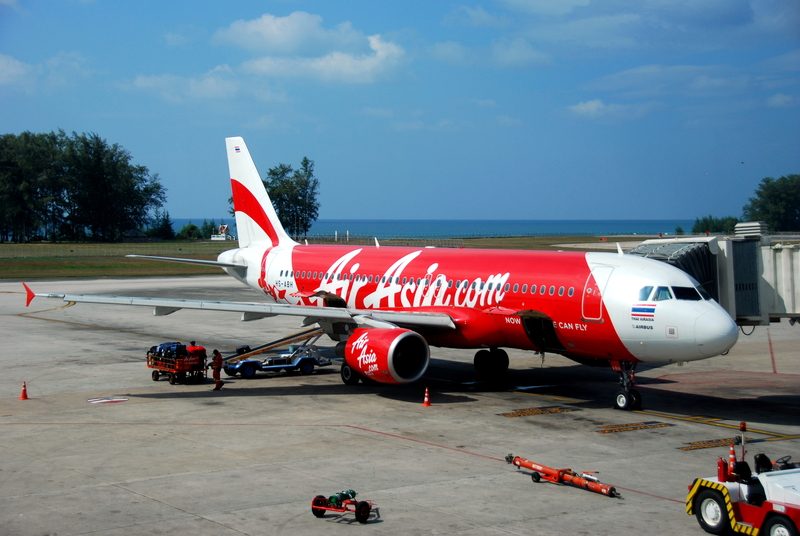
Indonesia AirAsia is maintaining a 180-seat Airbus A320-200 on the sector. Moving from four weekly flights to seven adds three additional weekly frequencies. Multiply that by 180 seats, and you’re looking at 540 more one-way seats per week. Over a full year, that’s about 28,000 additional one-way seats, or roughly 56,000 extra seats when counting both directions—which is why airports and tourism bodies often talk about “visitor seats” in roundtrip terms.
Read our stories in your inbox
Two aviation newsletters. Zero fluff.
For ADL, this isn’t just more Bali seats—it’s more usable Bali seats. Daily frequency tends to lift demand because it reduces planning friction. Travelers stop thinking, “Does the schedule work for my dates?” and start thinking, “I can go when I want.”
Aircraft watch: the A320-200 is well-matched to ADL–DPS
The Airbus A320-200 is the classic low-cost workhorse on medium-haul leisure markets: a narrowbody with the trip economics to make routes like ADL–DPS viable year-round, especially when the airline can keep utilization high and turn the aircraft quickly.
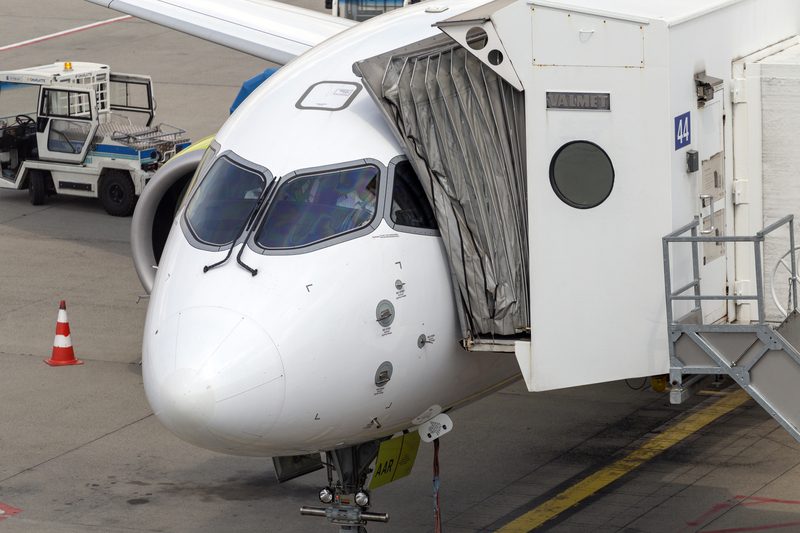
A few reasons the A320-200 fits this mission:
-
Stage length compatibility: ADL–DPS is roughly 3,760 km / 2,030 nautical miles, comfortably inside typical A320-200 performance margins. That matters because it allows consistent payload planning without routinely trading seats for fuel.
-
Seat-mile economics: At 180 seats, the unit cost picture is compelling—particularly if the carrier can drive ancillaries (bags, seat selection, meals) on a leisure route where those attach rates are typically strong.
-
Operational flexibility: The A320 family gives operators lots of swap options within the fleet if a tail goes tech. On a route that’s now daily, that flexibility becomes more valuable than ever.
ADL’s international momentum is feeding routes like this
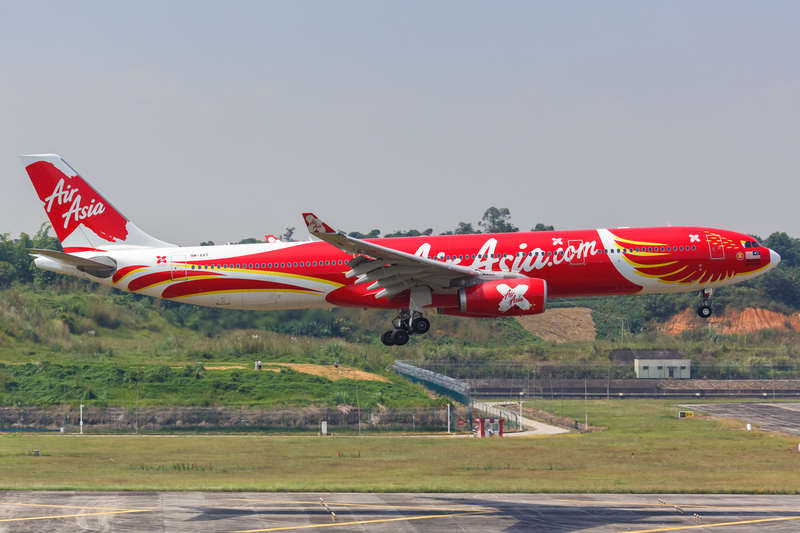
Bali is one of Australia’s most durable leisure flows, and ADL has been steadily building international relevance as airlines add point-to-point flying. Indonesia AirAsia only launched ADL–DPS in June 2025, and the jump to daily service less than a year later is a solid indicator that the route is meeting (or beating) expectations in both load factor and revenue quality.
From an airport strategy perspective, this is exactly the kind of service that compounds: more frequency makes a route more attractive, which improves forward bookings, which supports better schedules, which in turn draws more demand.
Bali (DPS) as a connection point, not just an endpoint
While a large portion of ADL–DPS demand is straightforward leisure, Denpasar (DPS) also functions as a practical gateway into broader Southeast Asia. For passengers, daily ADL–DPS improves the odds of building smooth self-connect itineraries to onward points across the wider AirAsia network—especially when outbound and inbound options aren’t confined to a handful of days each week.
For network planners, that matters because “Bali as a hub” behavior can stabilize shoulder-season performance. Even when pure holiday demand softens, a portion of traffic can be supported by onward connectivity patterns.
The competitive angle: more frequency usually means sharper pricing
ADL–DPS is already a contested corridor, and additional low-cost capacity typically puts pressure on fares—especially in the most price-sensitive booking windows. For travelers, that’s good news. For airlines, it raises the stakes on cost control, reliability, and ancillary conversion.
The upside for Indonesia AirAsia is that daily frequency can strengthen brand habit. When a route is daily, it becomes the default option passengers check first—and that can matter as much as headline fares in the long run.
Bottom Line
Indonesia AirAsia’s move to daily Adelaide (ADL)–Bali/Denpasar (DPS) flights from March 22, 2026 is more than a simple frequency bump. It materially increases annual seat supply, improves schedule utility for passengers, and gives the airline better operational recovery options. Pair that with the A320-200’s strong trip economics on a ~2,030-nm sector, and it’s a logical, capacity-efficient way to lean into one of the region’s highest-volume leisure markets while ADL’s international footprint keeps expanding.
Keep reading FlyMag
Get the Daily Brief in the morning or the Route Watch weekly recap on Fridays. Or both.