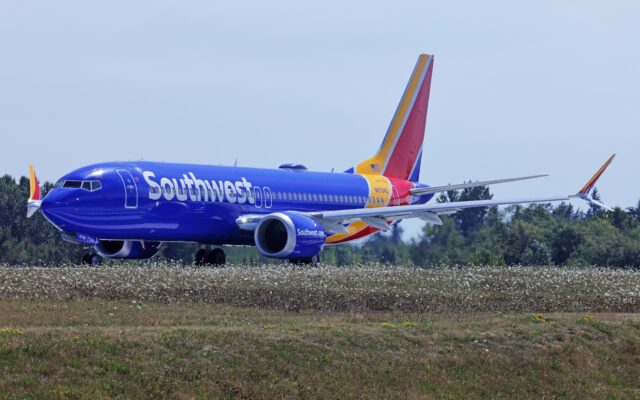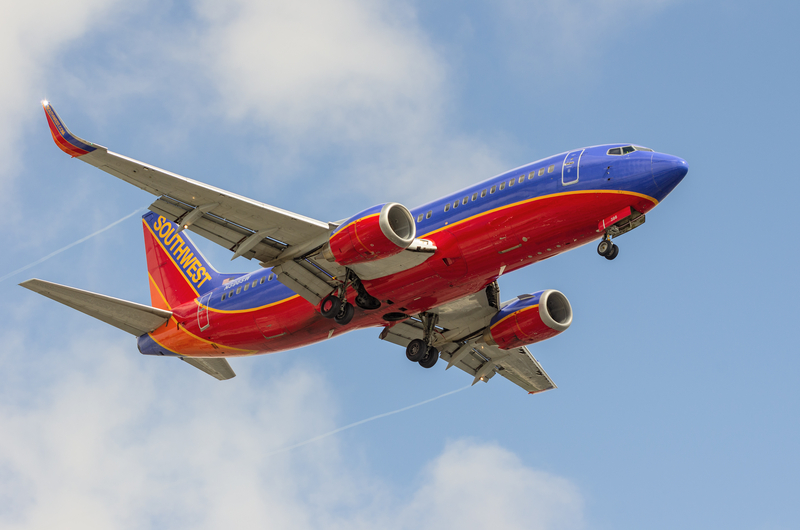
Southwest Airlines has officially rolled out its updated boarding process, and one detail is already drawing attention from frequent flyers: A-List Preferred no longer boards immediately after preboarders. Instead, those customers now board after preboarding and after Priority Boarding, but still ahead of Group 1.

That may sound like a small sequencing tweak. For loyal travelers, it does not feel small at all.
Southwest has framed the new structure as part of a broader customer-experience overhaul tied to assigned seating, overhead-bin management, and a more standardized group-based process. But for many regular flyers, the real question is simpler: if A-List Preferred is the airline’s top published elite tier, why does it no longer feel like the very top of the boarding hierarchy?
Read our stories in your inbox
Two aviation newsletters. Zero fluff.
Southwest’s New Boarding Process Is More Structured Than Before
The airline has moved to a numbered group system, with passengers assigned boarding groups from 1 to 8.
That shift is part of Southwest’s much broader transition away from its old open-seating identity and toward a more conventional assigned-seat model. Under the new setup, boarding is no longer driven primarily by check-in position. It is now tied much more directly to seat location, fare bundle, elite status, and co-branded card eligibility.
From a process standpoint, that makes sense. Assigned seating works better with more controlled group sequencing, and Southwest clearly wants the boarding experience to look more orderly and feel more familiar to travelers used to other U.S. carriers.
A-List Preferred Still Boards Early — Just Not First After Preboarding
This is the part that is causing the friction.
Under the updated sequence, preboarding customers still go first, as they should. After that come Priority Boarding customers and active-duty U.S. military personnel, and only then do A-List Preferred members board.
That means Southwest’s highest frequent-flyer tier is now effectively in a special early lane, but not in the very first general boarding position behind preboarders.
From First to Last Among Major U.S. Airlines: Southwest’s On-Time Rate Falls to 64.9%
For travelers who have spent heavily or flown often enough to earn top-tier status, that feels like a meaningful symbolic downgrade, even if they are still boarding earlier than almost everyone else.
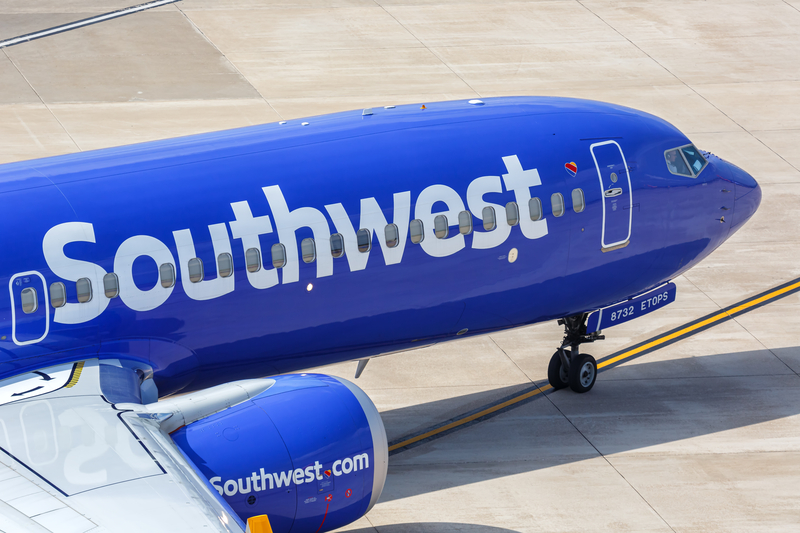
A-List Members Now Sit In Group 1 With Choice Extra Customers
The next change is just as important.
Regular A-List members now board in Group 1, alongside travelers who purchased Choice Extra fares. In other words, status and fare bundle are being mixed more directly than before.
That is not unusual by wider industry standards. Most major airlines already combine some version of elite status, premium fares, and paid early-boarding products into overlapping priority tiers. But Southwest’s customer base is used to thinking about elite status in a more distinct way. Compressing these groups together changes the feel of the benefit, even if it does not eliminate it.
Southwest Is Clearly Trying To Protect Overhead Bin Space For Its Earliest Customers
The airline has been explicit that the new process is partly meant to improve access to cabin and bin space for those boarding earliest.
That is a very practical goal. Assigned seating reduces one kind of boarding stress, but it makes overhead-bin competition even more visible. If the first few boarding groups become too broad or too slow, the result is exactly what airlines want to avoid: crowding at the gate, clogged aisles, and growing anxiety over where bags will go.
Southwest is also reserving bin space above Extra Legroom rows and continuing to install larger overhead bins on aircraft. Taken together, these changes suggest the airline is trying to make the boarding product more predictable for customers who either paid more or earned more.
The Frustration Is About More Than Sequence — It Is About Status Meaning
This is where the frequent-flyer criticism really comes from.
The issue is not simply that A-List Preferred boards after Priority Boarding. It is that elite members want top-tier status to feel unquestionably premium. Once a paid product or a separately sold convenience begins to board before or very close to the airline’s most loyal customers, some of the emotional value of elite status starts to erode.
That does not mean the benefit becomes worthless. It means it feels less exclusive.
For airlines, that is always a delicate line. They want to sell premium access because it generates revenue. But they also need elite status to remain aspirational enough that frequent flyers still believe it is worth chasing.
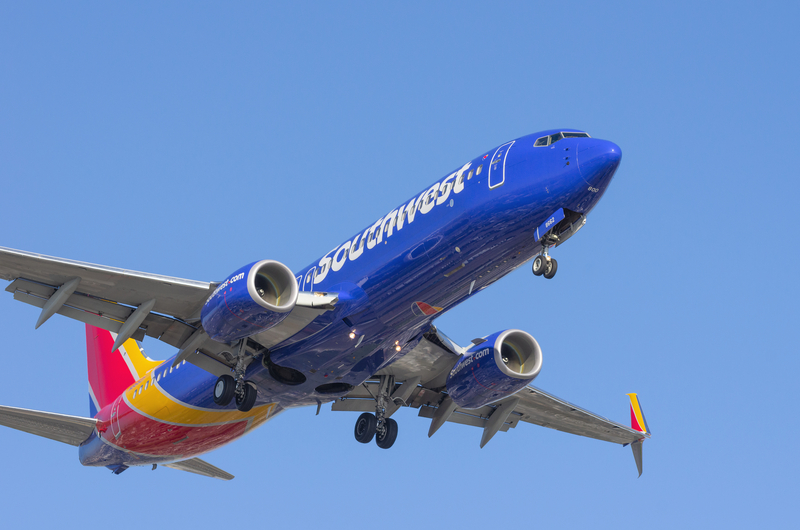
Southwest Is Starting To Look More Like The Rest Of The Industry
In a broader sense, this update is one more sign that Southwest is moving closer to the mainstream U.S. airline model.
Numbered boarding groups, fare-bundle-driven benefits, seat-based sequencing, and layered priority access are all normal at legacy carriers. Southwest is now adopting more of those same mechanics, even if it still presents them in its own way.
That will likely make the product easier for casual travelers to understand. But it also means Southwest’s elite program is now being judged more directly against the standards of Delta, United, and American, where the precise order of boarding can become a surprisingly emotional loyalty issue.
Operationally, The New Process May Work Better
It is also fair to say Southwest may be right on the operational merits.
A more structured boarding process can reduce confusion. Assigned seating removes the old scramble for preferred spots. Earlier access for top customers and premium-seat buyers may genuinely help smooth the aisle flow. And if the larger bins and reserved bin space work as intended, the early boarding groups may feel more useful in practice even if the sequence is not exactly what elite travelers wanted.
That is the tension here: the change may improve the process while still irritating the people who care most about the symbolism.
Bottom Line
Southwest’s new boarding process does not remove early access for A-List Preferred members, but it does change how that access feels. Top-tier elites now board after preboarders and after Priority Boarding, while A-List members board in Group 1 alongside Choice Extra customers.
For Southwest, the update is part of a larger modernization of the travel experience around assigned seating and more structured boarding. For frequent flyers, though, the question is more emotional than operational: if top-tier loyalty no longer boards as early or as distinctly as before, does it still feel like top-tier loyalty?
That is why the criticism has surfaced so quickly. The process may be more orderly. But to many loyal customers, the hierarchy now looks flatter.
Keep reading FlyMag
Get the Daily Brief in the morning or the Route Watch weekly recap on Fridays. Or both.