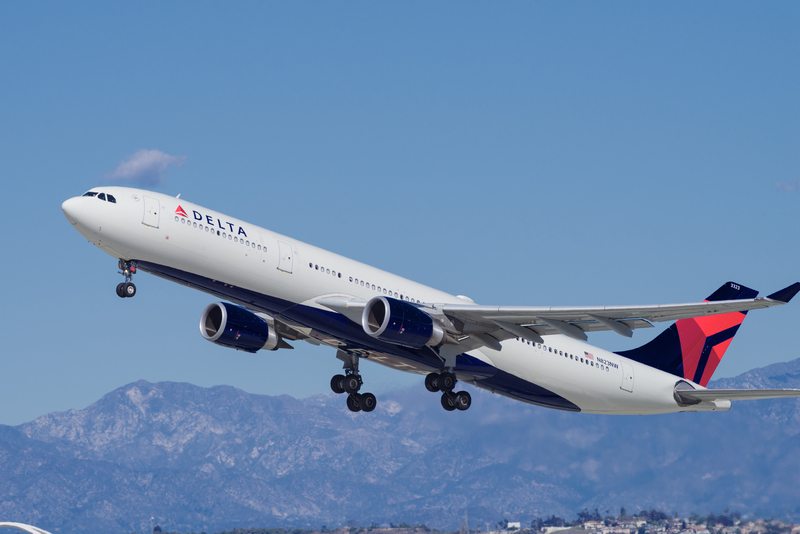
A Delta Air Lines Airbus A330-900 operating flight DL90 from Orlando (MCO) to Amsterdam (AMS) diverted to Dublin (DUB) on February 14, 2026, after a serious onboard medical emergency required immediate attention mid-Atlantic.

The aircraft, registered N412DX, had been airborne for more than seven hours on the overnight crossing when a passenger’s condition deteriorated to the point that continuing to Amsterdam was no longer considered viable. The crew elected to divert to Dublin, where the flight landed at approximately 06:30 UTC. Medical personnel met the aircraft on arrival and transported the passenger to hospital care. After roughly a three-hour ground stop for inspections and operational coordination, the aircraft continued to Amsterdam, arriving several hours behind schedule.
Why Dublin (DUB) Was the Logical Diversion Choice
On a North Atlantic crossing between Florida and the Netherlands, diversion planning is not improvised. Crews operate within structured ETOPS (Extended-range Twin-engine Operational Performance Standards) frameworks that predefine suitable alternates along the route.
Read our stories in your inbox
Two aviation newsletters. Zero fluff.
Dublin (DUB) is one of the most frequently used diversion airports for transatlantic flights because it offers:
-
Long runways capable of accommodating widebody aircraft
-
Full Category 9/10 rescue and firefighting services
-
Established long-haul handling infrastructure
-
Rapid access to advanced medical facilities
-
Efficient air traffic sequencing for emergency arrivals
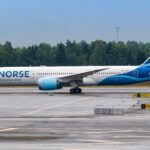
From a routing standpoint, DUB sits favorably for westbound and eastbound diversions in the North Atlantic corridor. Once the medical urgency threshold is crossed, the priority becomes minimizing time to landing rather than preserving schedule integrity.
The Aircraft: Airbus A330-900neo on a Long-Haul Atlantic Sector
Delta’s Airbus A330-900—part of the A330neo family—is a modern long-haul widebody powered by Rolls-Royce Trent 7000 engines. The type is optimized for transatlantic and medium-to-long intercontinental missions and features improved fuel efficiency and extended range compared to earlier A330 variants.
For Delta, the A330-900 operates numerous Atlantic routes from hubs including:

The aircraft is ETOPS-certified for extended overwater operations, meaning diversion airports are pre-planned and continuously evaluated throughout the flight.
Medical Diversions: Structured, Not Spontaneous
Mid-flight medical emergencies are one of the most common reasons for transoceanic diversions. The decision-making framework typically involves:
-
Assessment by onboard crew and any medical professionals among passengers
-
Consultation with ground-based medical advisory services
-
Evaluation of time-to-destination versus time-to-alternate
-
Consideration of fuel state, weather, and airport capability
Continuing to Amsterdam (AMS)—several hours away—would have increased medical risk if the passenger’s condition was unstable. Diverting to DUB reduces response time significantly, often by multiple hours.
Even after landing, procedures do not immediately end. The aircraft must undergo standard post-diversion checks, including:
-
Fuel recalculation and dispatch review
-
Crew duty-time verification
-
Security and passenger documentation review (if required)
-
Cabin re-securing and medical cleanup
That ground time often explains the multi-hour delay before the onward leg departs.
Operational Impact: Delays, But Safety Preserved
DL90 resumed its journey after the ground stop and continued to Amsterdam Schiphol (AMS), arriving later than scheduled. While medical diversions disrupt onward connections and aircraft rotations, airlines prioritize passenger welfare over schedule performance in such cases.
For long-haul carriers like Delta, built-in schedule buffers and hub flexibility allow the operation to absorb occasional diversion events without cascading systemic disruption—particularly on high-frequency transatlantic corridors.
Bottom Line
Delta flight DL90, operated by an Airbus A330-900 (N412DX) from Orlando (MCO) to Amsterdam (AMS), diverted to Dublin (DUB) after a serious medical emergency mid-Atlantic. The aircraft landed safely, medical teams transferred the affected passenger to hospital care, and the flight continued after a short ground stop. While disruptive, the diversion reflects the structured, safety-first protocols that govern long-haul ETOPS operations—where reducing response time outweighs maintaining schedule adherence.
Keep reading FlyMag
Get the Daily Brief in the morning or the Route Watch weekly recap on Fridays. Or both.
Share this story
Composed for each network — click to share, or copy the composed text for your own timing.