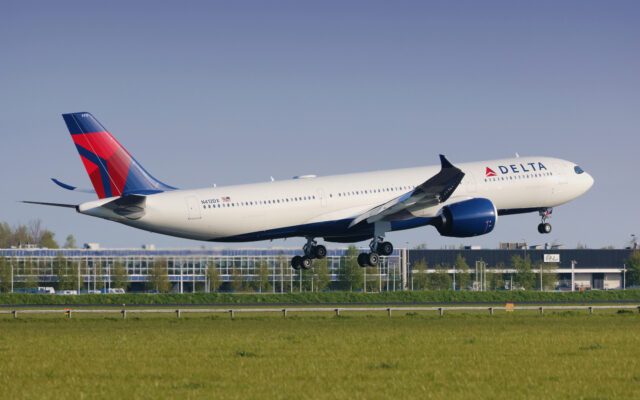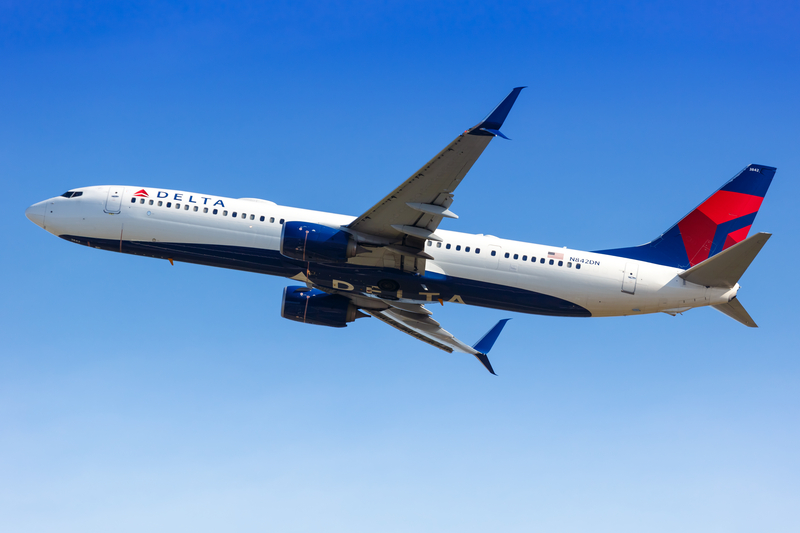
A Delta Air Lines flight bound for Albuquerque International Sunport (ABQ) was forced to divert to Four Corners Regional Airport (FMN) after a disabled general aviation aircraft temporarily shut down the runway in Albuquerque at exactly the wrong moment.
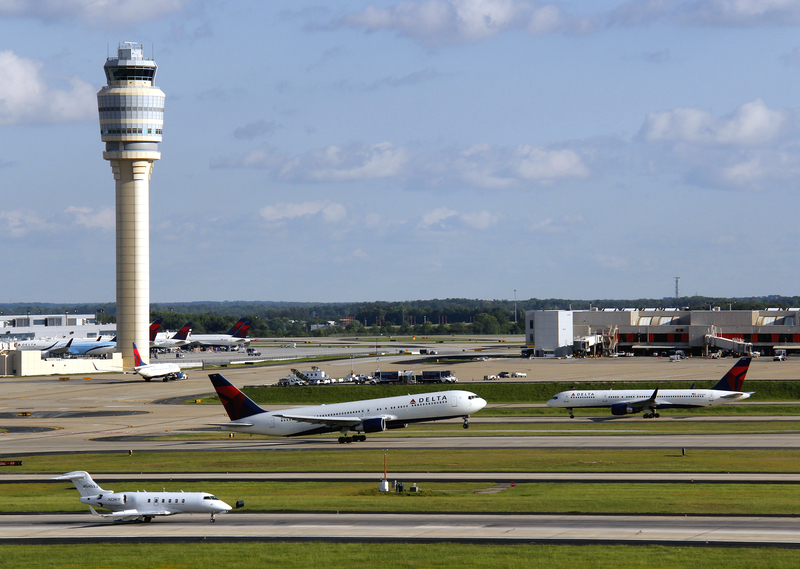
The flight, DL1109, was arriving from Atlanta with 178 passengers and six crew members onboard when the problem unfolded. According to passenger accounts and local reporting, the aircraft had already begun its landing sequence before the crew was told the runway was unavailable. After a short period of circling, the pilots diverted to Farmington because they no longer had enough fuel margin to continue holding.
For aviation readers, this was not a technical issue onboard the Delta aircraft. It was a classic example of how a short runway closure can instantly become a fuel-and-alternate decision for an arriving flight.
Read our stories in your inbox
Two aviation newsletters. Zero fluff.
The Trigger Was A Disabled Aircraft On Runway 8/26
The sequence began when a general aviation aircraft experienced a mechanical issue after landing at Albuquerque.
Airport officials said the aircraft landed safely, but it had to be removed from the runway safety area, which forced a temporary closure of Runway 8/26. The closure reportedly lasted about 15 minutes, but that was long enough to disrupt at least one inbound commercial arrival at exactly the wrong stage of flight.
That matters because short closures can be more disruptive than they sound when aircraft are already on final approach or operating close to planned fuel margins.
DL1109 Was Already On Approach
One of the more important details is how late in the flight this happened.
Passenger accounts indicate the Delta aircraft was already close to touchdown when the crew initiated a go-around. That matters because an arriving narrowbody on approach has far fewer easy options than a flight still some distance away. Once the runway closes unexpectedly, the crew must quickly reassess holding time, alternate suitability, and reserve fuel.
In this case, the answer was clear: Farmington.
The Diversion Was About Fuel, Not Panic
The most important operational point is that the diversion appears to have been purely precautionary and fully consistent with standard airline procedure.
The crew did not continue circling in hopes that the runway would reopen in time. They determined that remaining overhead Albuquerque was no longer practical from a fuel perspective and proceeded to their alternate. That is exactly how the system is supposed to work. A runway closure may last only minutes, but if a flight’s usable holding time is shorter than that uncertainty window, the safest answer is to divert before the margins get tighter.
That is what happened here.
Farmington Was The Practical Alternate
Farmington is not a glamorous diversion field, but it was a workable one.
It was close enough to Albuquerque to make the diversion manageable, and it offered a safe place to get the aircraft on the ground quickly without adding unnecessary complexity. Once there, Delta provided food and later moved passengers by bus back to Albuquerque.
That sequence also highlights one of the frustrating realities of diversions: the flight itself may be safely resolved in the air, but the passenger disruption often continues for hours on the ground.
The Real Lesson Is How Little Slack Busy Airports Have
The broader lesson here is not only about one Delta flight.
At busy airports, even a relatively short runway closure can trigger outsized disruption if it happens during a concentrated arrival window. If inbound aircraft are already committed to approach and spacing is tight, a single disabled aircraft can quickly force go-arounds, holding, and diversions. The disruption is even sharper when the airport does not have abundant spare runway capacity or when fuel margins on the arrivals are already tight.
This incident is a good example of that dynamic in real time.
Bottom Line
Delta flight DL1109 did not divert to Farmington because of a problem onboard. It diverted because a disabled aircraft temporarily closed Albuquerque’s Runway 8/26 just as the flight was trying to land, and the crew did not have enough fuel to wait indefinitely for the runway to reopen.
That is exactly the kind of quiet operational event that shows how commercial aviation safety actually works: not through drama, but through crews making conservative decisions early enough that a frustrating day does not become a dangerous one.
Keep reading FlyMag
Get the Daily Brief in the morning or the Route Watch weekly recap on Fridays. Or both.