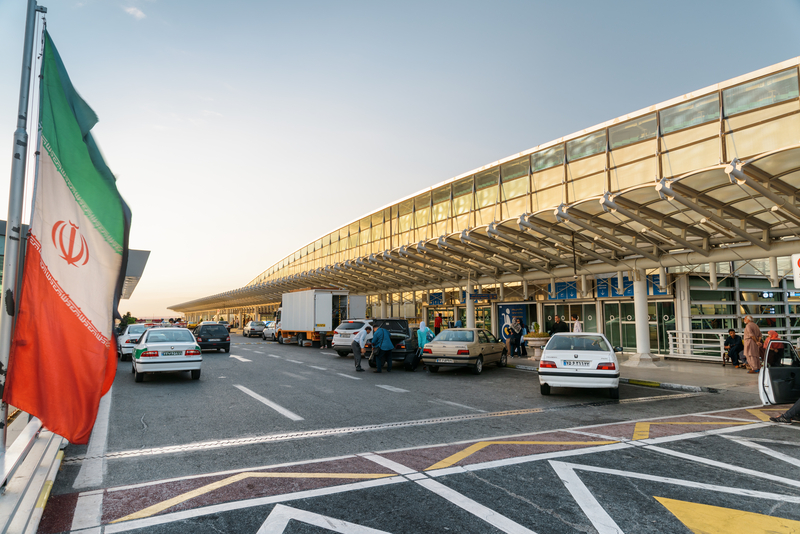
Commercial flying is beginning to return to Iran, with services resuming from Tehran Imam Khomeini International Airport (IKA) after nearly two months of severe disruption tied to the regional conflict involving the United States and Israel.
The restart is important not simply because flights are moving again, but because it marks the first real sign that Iran is trying to rebuild a damaged aviation network in phases rather than all at once. Initial departures have included international links from IKA to cities such as Istanbul Airport (IST), Muscat International Airport (MCT), and Prince Mohammad bin Abdulaziz International Airport (MED), while Iran Air has also restarted domestic service, including a resumed Tehran-to-Mashhad operation after a 56-day interruption.
For aviation readers, the key point is that this is not a full normalization. It is a cautious reopening.
Read our stories in your inbox
Two aviation newsletters. Zero fluff.
Tehran’s Restart Matters Symbolically And Operationally
The return of commercial flying from Tehran Imam Khomeini International Airport (IKA) carries outsized significance because IKA is Iran’s main international gateway.
When flights stop there, the disruption reaches far beyond one airport. It affects international connectivity, transit opportunities, diaspora traffic, religious travel, cargo flows, and the wider credibility of Iran’s air transport system. So the resumption of service from IKA is not just about restarting departures. It is about re-establishing the country’s main aviation link to the outside world.
That is why even a limited initial schedule matters.
The First Routes Show A Controlled, Incremental Rebuild
The initial route mix is telling.
Flights to Istanbul Airport (IST), Muscat International Airport (MCT), and Medina Airport (MED) suggest a careful reopening focused on nearby international markets with strong existing demand and practical strategic value. These are routes that combine religious traffic, regional connectivity, and a degree of operational familiarity.
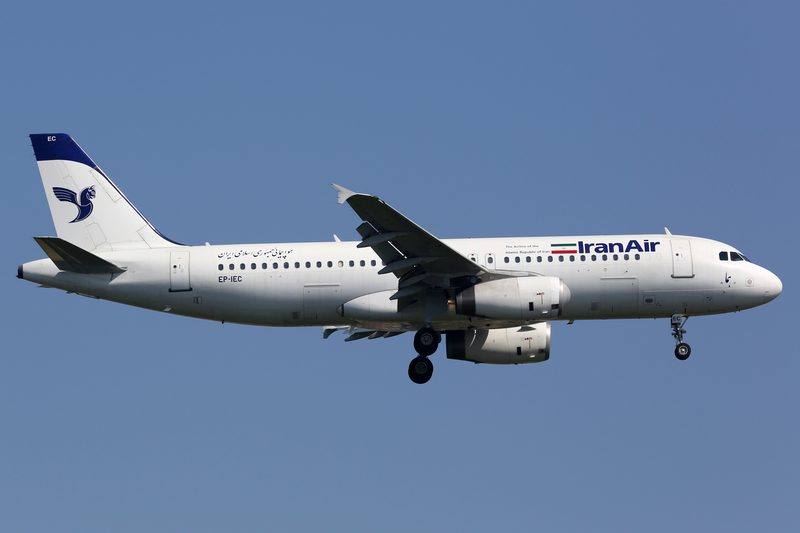
The same applies domestically. Iran Air’s return to Mashhad International Airport (MHD) is significant because Mashhad is one of the country’s most important air markets, both commercially and religiously. Restoring that route is a logical first step in rebuilding confidence inside the network.
This is exactly how a fragile aviation recovery tends to begin: with essential, proven markets rather than a broad restart everywhere at once.
More Regional Routes Are Expected To Follow
Iranian authorities have indicated that more destinations will be added in the coming days, including Baku Heydar Aliyev International Airport (GYD), Baghdad International Airport (BGW), Al Najaf International Airport (NJF), and Hamad International Airport (DOH).
That route list reinforces the same pattern. These are nearby, strategically important markets with strong political, commercial, religious, or transit relevance. They are not flashy long-haul relaunches. They are functional rebuilding routes.

For airline and airport professionals, that suggests Iran is prioritizing network utility over symbolism. Reopening links to major regional cities is the fastest way to restore practical connectivity and test how stable the recovery really is.
Eastern Iran Is Taking On An Early Recovery Role
One of the more interesting operational details is that eastern Iran is expected to play a key role in the recovery phase.
Airports such as Mashhad International Airport (MHD), Zahedan International Airport (ZAH), and Kerman Airport (KER) are being positioned as important nodes in the restart. That makes sense both geographically and operationally. A phased rebuild through eastern airports can offer more flexibility while the wider network remains sensitive to geopolitical risk and route-planning caution.
This also suggests that Iran is not treating the recovery purely as a Tehran-first project. It is trying to reassemble a wider domestic and regional structure, with the east helping carry some of the burden while international confidence remains limited.
Iranian Airspace Is Reopening, But Transit Recovery Will Be Harder
Iran is also reported to be in discussions with foreign airlines over the eventual return of transit traffic through its airspace.
That is an important ambition, but it may be the hardest part of the recovery.
Restarting domestic and national-carrier flying is one thing. Convincing foreign airlines to route again through Iranian airspace is another. Airlines make those decisions based on safety assessments, insurance exposure, regulatory advisories, crew confidence, and geopolitical risk. Even if Iran’s own airports resume normal schedules, overflight demand may take much longer to recover.
That is especially relevant because airspace use can be commercially just as important as airport traffic. Overflight fees, route relevance, and geographic positioning all matter in the broader aviation economy.
The Aviation Recovery Is Happening In A Wider Industry Crisis
This restart also comes against a much larger backdrop of Middle East aviation disruption.
The conflict has already caused airspace closures, diversions, mass cancellations, and large repatriation operations across the region. Even where airspace has partially reopened, the recovery remains uneven and politically fragile. Airlines do not simply return because the runway is available. They return when the broader risk picture becomes manageable enough to defend.
That is why Iran’s restart should be read carefully. Flights returning from Tehran Imam Khomeini International Airport (IKA) are a positive sign, but they do not mean the crisis is over.
Fuel Pressures Add Another Layer Of Risk
There is also a second-order problem running alongside the network rebuild: fuel.
The wider conflict has raised concern across global aviation about jet fuel supply and pricing, particularly because of disruption risks linked to the Strait of Hormuz. Even where actual supply remains stable, price increases can damage airline economics very quickly.
For Iran and the wider region, that means the recovery challenge is not only about safety and geopolitics. It is also about cost. Airlines can resume flying and still struggle if fuel prices remain elevated and route economics are weakened.
That broader reality makes the restart from Tehran look even more delicate.
Bottom Line
The resumption of flights from Tehran Imam Khomeini International Airport (IKA) is a meaningful step in Iran’s aviation recovery, with initial services to Istanbul (IST), Muscat (MCT), and Medina (MED), plus domestic flying such as Tehran to Mashhad (MHD), marking the first real rebuilding of the network after a 56-day interruption.
But this is clearly a phased and cautious return, not a full restoration. More regional routes are expected, eastern Iranian airports are taking on an early support role, and officials are already looking toward the harder task of bringing foreign airlines and transit traffic back into Iranian airspace. For now, the skies over Tehran are reopening. Whether they remain reliably open is the much bigger question.
Keep reading FlyMag
Get the Daily Brief in the morning or the Route Watch weekly recap on Fridays. Or both.