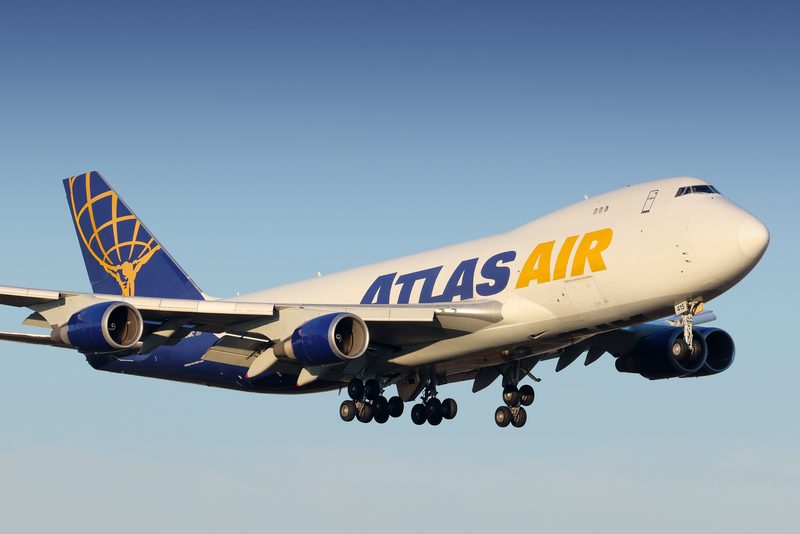
Atlas Air Worldwide is acquiring a 49% minority stake in Air Atlanta, a move that gives the U.S. cargo giant a stronger foothold in the global ACMI and widebody leasing market without fully absorbing the Icelandic operator.
That matters because this is not just an equity investment. Through its Titan Aviation Holdings unit, Atlas will also acquire the aircraft owned by the Air Atlanta group and lease them back to the airline companies for continued operation. In other words, Atlas is not only buying influence. It is also securing direct control over the hard assets that make the business work.
For aviation readers, this is a strategically important deal in a market where widebody freighter and ACMI capacity remains structurally tight.
Read our stories in your inbox
Two aviation newsletters. Zero fluff.
This Is A Partnership, Not A Full Takeover
The transaction is carefully structured.
Atlas will take 49% of Air Atlanta, while the airline’s management team will acquire the remaining 51% from the current owners. That means Air Atlanta will stay under its existing brand, certifications, and management structure rather than being folded into Atlas immediately.

That is an important distinction. Atlas clearly wants Air Atlanta’s platform and aircraft access, but it also seems to value the operator’s existing ACMI identity, European footprint, and management continuity enough to leave the airline intact.
The Aircraft Deal May Matter More Than The Equity Stake
The equity ownership is the headline, but the aircraft piece is arguably the more strategic part of the transaction.
Atlas, via Titan Aviation Holdings, will acquire the aircraft owned by the Air Atlanta group and lease them back. That gives Atlas a stronger asset position in a market where widebody lift is scarce and often more valuable than pure corporate ownership alone.
In other words, Atlas is not just buying into Air Atlanta as an airline. It is buying into the aircraft base behind the airline.

This Deal Connects Two 747-Heavy Operators
The strategic fit is obvious.
Atlas remains one of the world’s biggest operators of large widebody freighters, especially the Boeing 747 family. Air Atlanta is also heavily weighted toward large freighters, including 747-400Fs and 777 freighters, with additional passenger 777 aircraft in the group. That makes this a very natural pairing.
It is not a diversification deal into a new aircraft type or business model. It is a scale-and-platform deal in a segment Atlas already knows extremely well.
Europe Is A Big Part Of The Logic
One of the most important things Air Atlanta brings is geography.
The airline operates through platforms in Iceland and Malta, giving Atlas access to a wider European operating footprint. That matters because ACMI and cargo work often depend heavily on certification jurisdiction, traffic rights flexibility, crew structure, and regional operating access. A broader platform can make an operator more useful to customers that need capacity in multiple regulatory and geographic contexts.
That is one reason this is more valuable than a simple fleet add.
Atlas Is Still Betting On The 747
The deal also reinforces something Atlas has been saying more openly for some time: it still believes strongly in the Boeing 747 freighter.
That matters because some in the market might have expected Atlas to move away from 747-heavy structures over time as newer types like the 777F and future A350F become more prominent. Instead, this investment in Air Atlanta shows that Atlas still sees real value in the 747’s role and remaining lifespan, particularly in the ACMI and charter world where its payload and flexibility still matter a great deal.
This is not a company trying to exit legacy freighters quickly.
Air Atlanta Gets Market Reach And Financial Backing
The deal is not one-sided.
For Air Atlanta, Atlas brings a much larger global commercial platform and stronger access to customers in a constrained widebody market. That could help the Icelandic carrier grow more effectively, especially in long-term ACMI, charter, and cargo opportunities where scale and global reach increasingly matter.
That is why management is staying involved and retaining majority ownership. This looks like a growth partnership rather than an exit.
The Timing Fits The Current Cargo Market
The timing also makes sense.
Widebody cargo and ACMI capacity remains difficult to source quickly, and that keeps valuable operators and aircraft in high demand. Atlas is effectively using this deal to improve access to scarce capacity without waiting years for new aircraft deliveries or trying to build the same platform organically.
That is a very practical answer to a market where scale alone is no longer enough. Platform flexibility matters too.
Bottom Line
Atlas Air’s decision to acquire 49% of Air Atlanta is a strategically important move because it gives the company more than just a minority airline stake. It adds aircraft ownership through Titan, strengthens Atlas’ European ACMI footprint, and aligns two operators that are both deeply invested in large widebody freighters.
For Atlas, this is a capacity and platform deal in a constrained market. For Air Atlanta, it is a way to grow without disappearing. For the wider cargo industry, it is another sign that the battle for widebody lift is increasingly being fought through partnerships and structure, not just fleet size.