Scandinavian Airlines (SAS) is giving its long-haul network a notable winter lift for Winter 2026/27, adding Dubai World Central (DWC) plus two Thailand leisure heavyweights—Phuket (HKT) and Krabi (KBV)—all operated from Copenhagen (CPH).

The headline is not just the destinations, but what they signal: SAS is using Copenhagen’s connectivity to turn Scandinavian demand into long-haul volume while also pulling in transfer traffic from Northern Europe. The schedules are explicitly built around that hub function, with late departures out of CPH and arrival timings that work for inbound feed.
Dubai Returns—But to DWC, Not DXB
SAS hasn’t operated to the UAE since 2011, and its comeback is aimed at the Dubai metro area via Dubai World Central (DWC)—also known as Al Maktoum International—rather than Dubai International (DXB). That’s an important operational choice.
Read our stories in your inbox
Two aviation newsletters. Zero fluff.
DWC is typically less slot-constrained and can be more cost-effective than DXB, and it sits closer to Dubai South and the Jebel Ali corridor. The tradeoff is ground distance: for travelers targeting central Dubai, DXB is often the more convenient airport. For aviation watchers, it’s also an interesting indicator of how carriers can “serve Dubai” while shaping airport costs, handling complexity, and schedule viability.
Route snapshot (CPH–DWC):

-
Season: 25 October 2026 – 27 March 2027
-
Frequency: Daily
-
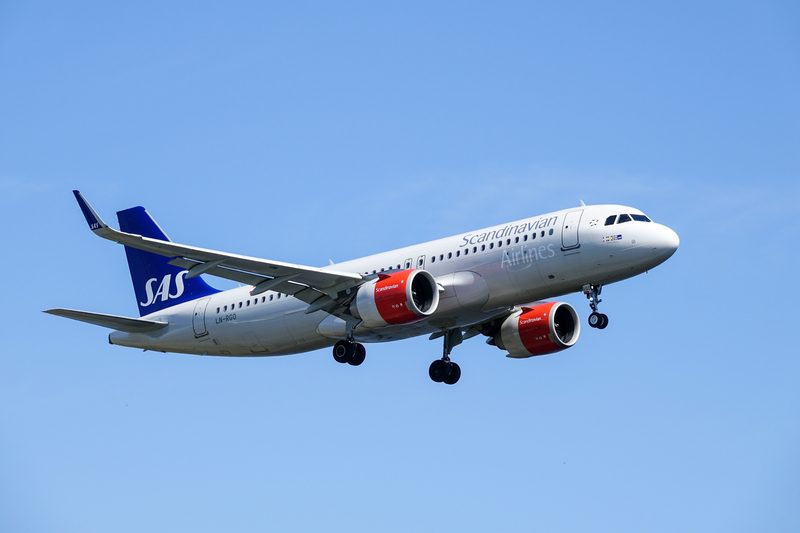
Aircraft: Airbus A320neo
-
Flights / timings:
-
SK773 CPH 23:45 → DWC 09:15+1
-
SK774 DWC 11:00 → CPH 15:20
-

Why the A320neo choice matters
Calling Dubai “long-haul” with an A320neo is a very modern network move. On routes like CPH–DWC, the neo’s economics—new-generation engines, aerodynamic refinements, and lower per-seat trip cost versus older narrowbodies—can make a daily operation pencil out where a widebody might be too much capacity risk in winter. The cabin experience is narrower than an A330/A350, but the upside is frequency: daily flights are often more valuable to both corporate travelers and connecting passengers than a larger aircraft flown fewer times per week.
Thailand Gets a Major Boost: Phuket (HKT) and Krabi (KBV) Go Nonstop
SAS is also significantly expanding Thailand flying, introducing scheduled nonstop service from Copenhagen (CPH) to Phuket (HKT) and Krabi (KBV) for the first time—positioning itself as the only airline offering nonstop CPH service to those two leisure markets in Winter 2026/27.
This is a capacity story as much as a route story. SAS says overall Thailand seat capacity will rise by more than 75% compared with last winter, helped by these additions and broader long-haul upgauging.
Route snapshot (CPH–HKT):
-
Season: 09 December 2026 – 29 March 2027
-
Frequency: 2–3x weekly (varies through the season)
-
Aircraft: Airbus A350
-
Flights: SK977 / SK978 (seasonal frequency pattern)
Route snapshot (CPH–KBV):
-
Season: 08 December 2026 – 28 March 2027
-
Frequency: 2x weekly
-
Aircraft: Airbus A350
-
Flights / timings:
-
SK979 CPH 23:45 → KBV 16:55+1 (Tue/Sat)
-
SK980 KBV 22:50 → CPH 05:30+1 (Wed/Sun)
-
The A350 angle: capacity, range, and product consistency
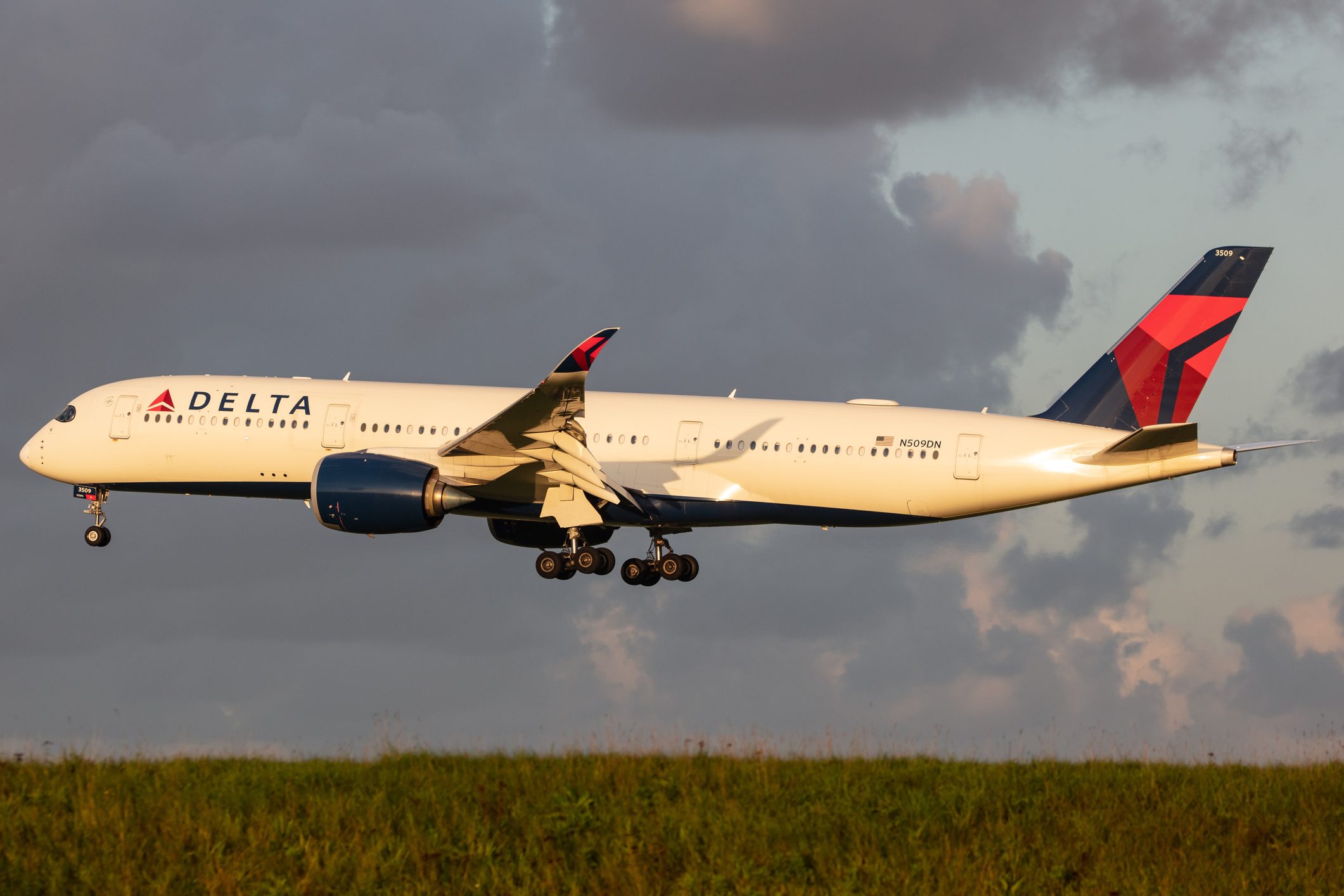
On these Thailand sectors, the Airbus A350-900 is doing exactly what it was built to do: long stage lengths efficiently, with strong cargo capability and a premium product that holds up on overnight flying. SAS’s A350-900s are configured with 300 seats, powered by Rolls-Royce Trent XWB engines, and designed for ultra-long-range missions—giving SAS flexibility to use the type across North America and Asia while still allocating frames to winter sun routes when demand peaks. For the operation, the A350 also helps SAS consolidate product delivery: one widebody type that can serve business-heavy routes (like the U.S.) and leisure-heavy routes (Thailand) without forcing major aircraft swaps or mismatched onboard standards.
The Bigger Network Play: More Seats to the U.S. and Asia
The Dubai and Thailand additions aren’t happening in isolation. SAS is pairing the new routes with capacity growth across its existing long-haul portfolio—especially from Copenhagen (CPH) to major North American and Asian gateways.
SAS is planning:
-
+70% seats to Boston (BOS)
-
+20% seats to San Francisco (SFO)
-
+10% seats to Chicago (ORD)
-
+50% capacity to Seoul (ICN)
-
+40% capacity to Tokyo Haneda (HND)
-
+15% capacity to Bangkok (BKK)
Taken together, this looks like a deliberate “hub thickening” strategy: strengthen core trunk routes where frequency and connectivity matter, then layer in high-demand leisure flying that benefits from the same connecting flows.
Operational Reality Check: Scheduling and Reliability
SAS is leaning heavily into the idea that punctuality and operational control can support growth rather than undermine it—a notable stance for any carrier expanding long-haul. From a planning standpoint, the departure waves also make sense: late-night CPH departures create reliable inbound connectivity from Scandinavia and Northern Europe, while return timings preserve onward connections the next day.
For corporate accounts, the daily CPH–DWC frequency is especially relevant: consistent departure options can outperform pure seat capacity, particularly when travelers value schedule certainty more than aircraft size.
Bottom Line
SAS’s Winter 2026/27 update is a meaningful Copenhagen (CPH) hub expansion built on three levers: a daily Airbus A320neo return to the Dubai market via Dubai World Central (DWC), two new Airbus A350 Thailand nonstops to Phuket (HKT) and Krabi (KBV), and broad long-haul capacity growth to key U.S. and Asia gateways like BOS, SFO, ORD, ICN, HND, and BKK. It’s a network design that prioritizes frequency where it counts, widebody scale where demand supports it, and winter leisure flying that can be fed by a strong Northern Europe hub.
Keep reading FlyMag
Get the Daily Brief in the morning or the Route Watch weekly recap on Fridays. Or both.