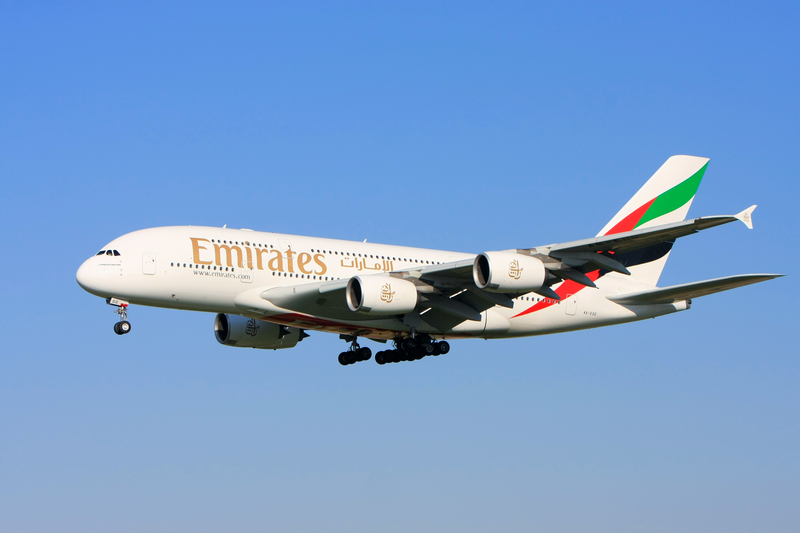
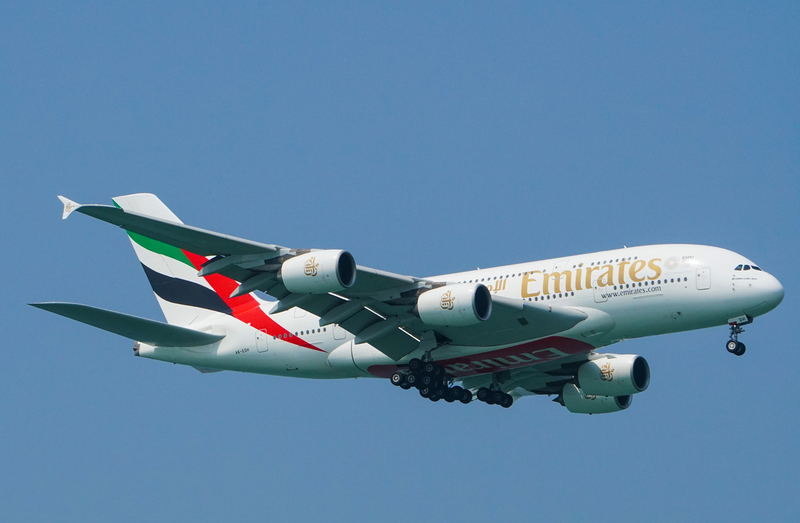
Emirates has introduced the first Airbus A380 equipped with Starlink connectivity, giving its flagship aircraft a major in-flight technology upgrade and setting a new benchmark for onboard internet on the world’s largest passenger jet.

For years, the Airbus A380 has been one of the most recognizable premium products in commercial aviation, but connectivity has often lagged behind cabin design. That is what makes this rollout notable. Emirates is not just refreshing seats, lounges, or inflight entertainment. It is tackling one of the most visible weaknesses in long-haul passenger experience: unreliable internet.
For aviation readers, the significance is clear. This is not merely faster Wi-Fi. It is a strategic move to make the A380 feel technologically current again.
Read our stories in your inbox
Two aviation newsletters. Zero fluff.
The A380 Was The Harder Aircraft To Upgrade
Installing next-generation connectivity on an Airbus A380 is more complex than doing the same work on a smaller widebody.
The aircraft’s double-deck layout, very high passenger count, and large cabin footprint place unusual demands on any onboard internet system. It is not enough to fit one antenna and hope for the best. The network has to distribute consistent performance across two decks, hundreds of devices, and a much more demanding operating environment than most aircraft types present.
That is why Emirates has emphasized the technical work behind this first installation. The A380 uses three antennas and upgraded cabin infrastructure to make the system workable at scale. In practical terms, the aircraft needed more than a standard Starlink fit. It needed one adapted for the world’s largest passenger aircraft.
The Performance Claims Are A Major Leap
Emirates says the new Starlink installation can deliver more than 2 Gbps of total bandwidth across the aircraft, representing a dramatic jump over previous generations of in-flight connectivity.
That matters because traditional onboard Wi-Fi has often been good enough for messaging and little else. Passengers tolerated it because expectations were low. Starlink changes that equation. Low-latency satellite internet makes streaming, gaming, video calling, and cloud-based work much more realistic, even on long-haul flights.
If the onboard experience matches the headline claims, this will be a meaningful shift in what passengers expect from inflight internet, especially on premium long-haul routes where connectivity is increasingly part of the product rather than an optional extra.
Free Wi-Fi Across All Cabins Is The Bigger Competitive Statement
The technical milestone is important, but the commercial choice may matter even more.
Emirates says the service will be free for all passengers in all cabins. That is a strong strategic move because it turns connectivity from a monetized add-on into a brand differentiator. Instead of asking whether a passenger is willing to pay for Wi-Fi, Emirates is treating fast internet as part of the expected onboard experience.
That aligns with how premium long-haul competition is evolving. Airlines increasingly understand that reliable connectivity now sits in the same category as seat power, streaming entertainment, and cabin comfort. It is no longer a bonus. It is becoming part of the baseline.
By making it free, Emirates is trying to move first in that new standard.
The A380 Rollout Matters Because The Aircraft Is Still Central To Emirates
For Emirates, the Airbus A380 is not a legacy side project. It remains one of the core aircraft types around which the airline’s long-haul identity is built.
That makes this rollout strategically significant. A carrier can tolerate older connectivity on a niche subfleet. It cannot afford to do so on one of the most visible aircraft in its network, especially when that aircraft is central to the airline’s premium image. If Emirates wants the A380 to remain relevant into the next decade, keeping the digital experience competitive is essential.
Starlink helps solve that problem.
The 777 Rollout Made This The Natural Next Step
This A380 milestone also fits into a wider Emirates connectivity strategy.
The airline has already installed Starlink on 25 Boeing 777-300ERs, with more than 650,000 passengers having used the service. That existing rollout reduces the novelty risk. Emirates is not experimenting with a technology it has never flown before. It is expanding a platform it already knows and has already tested in regular passenger service.
That matters because it suggests the A380 installation is less a proof of concept than the next stage of a broader fleet plan.
The Retrofit Strategy Is Becoming More Coherent
One of the more interesting parts of the story is how closely the Starlink program fits into Emirates’ wider product overhaul.
The airline is already deep into a large-scale retrofit effort touching cabins, inflight entertainment, and overall onboard presentation. Adding next-generation connectivity strengthens that wider campaign because it helps ensure the upgrades are not only visible in the seat and cabin, but also in the digital experience.
That makes the entire retrofit story more coherent. Instead of modernizing only the physical aircraft interior, Emirates is also modernizing the way passengers stay connected while flying.

The A380 Still Has Brand Power — Now It Has Better Digital Relevance Too
The Airbus A380 remains a uniquely powerful brand asset for Emirates. It is spacious, instantly recognizable, and still strongly associated with the airline’s premium identity. But branding only goes so far if the product starts to feel technologically dated.
That is where Starlink becomes especially important.
Passengers may still choose the A380 for the onboard bar, the premium cabins, or simply because it is the A380. But keeping the aircraft attractive to modern travelers also means making sure they can work, stream, and stay connected in ways that feel normal in 2026, not impressive in 2016.
This upgrade does exactly that.
Bottom Line
Emirates’ first Airbus A380 equipped with Starlink is more than a Wi-Fi upgrade. It is a sign that the airline understands how central connectivity has become to the long-haul passenger experience.
By bringing next-generation, low-latency internet to the A380 and making it free for all passengers, Emirates is not just improving onboard convenience. It is helping protect the relevance of its flagship aircraft in an era when digital expectations are rising as fast as cabin expectations.
For the A380, this is one of the most important upgrades it could have received.
Keep reading FlyMag
Get the Daily Brief in the morning or the Route Watch weekly recap on Fridays. Or both.