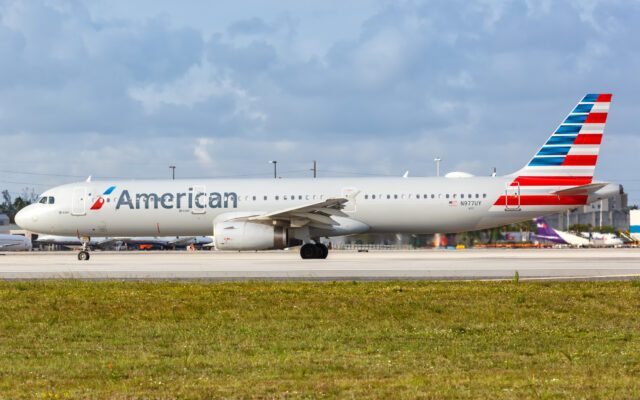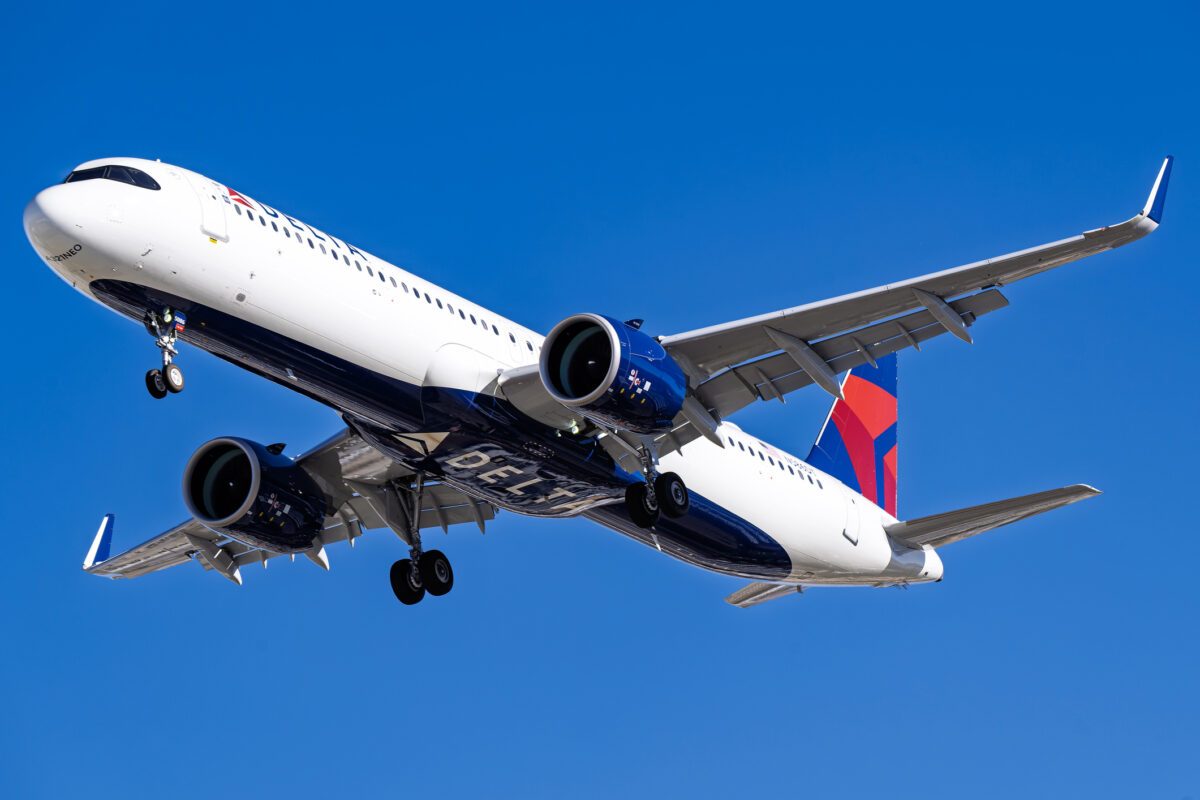
Delta Air Lines has turned a product delay into one of the most aggressive premium-cabin deployments in the U.S. domestic market, placing seven Airbus A321neos into service with 44 Delta First seats apiece.

The layout was not designed as a permanent domestic configuration. Delta developed it to put the aircraft to work while awaiting the flatbed suites ultimately intended for them. Instead of leaving the jets idle, the airline extended a recliner-equipped premium cabin through the first 11 rows.
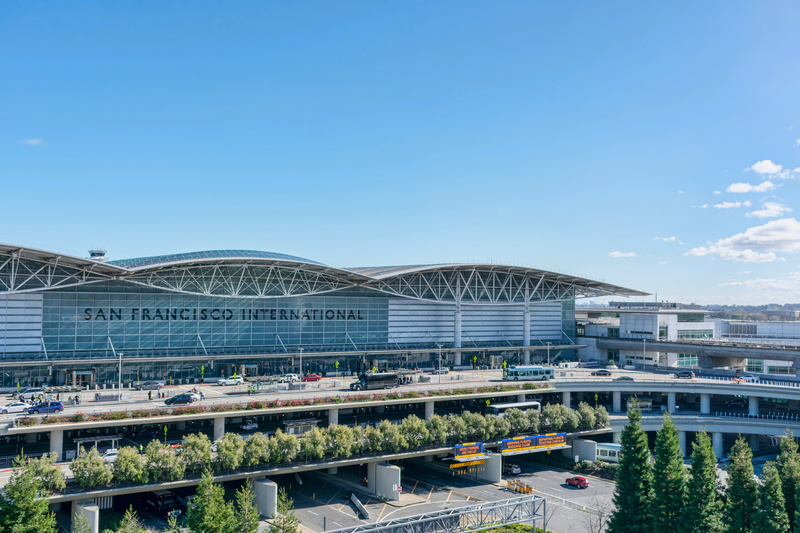
Delta described the arrangement as a limited-edition configuration when it announced the seven-aircraft subfleet in February 2026. The airline scheduled the jets from Atlanta (ATL) to Los Angeles (LAX), San Francisco (SFO), Seattle (SEA) and San Diego (SAN), with planned service from June 7.
Read our stories in your inbox
Two aviation newsletters. Zero fluff.
A 44-Seat Cabin Changes the A321neo’s Economics
The configuration, identified by Delta as the 3NP, carries 164 passengers: 44 in Delta First, 54 in Delta Comfort and 66 in Delta Main. Its First Class cabin alone accounts for almost 27% of the aircraft’s seats.

By comparison, the standard A321neo configuration shown on Delta’s current aircraft page has 194 seats, including 20 in Delta First. Moving to the 3NP layout therefore adds 24 First Class seats while reducing total capacity by 30.
Delta lists the 3NP’s First Class seats at 21 inches wide with 38 inches of pitch, arranged two-by-two. Delta Comfort has 34 inches of pitch, while Delta Main is listed at 31 to 32 inches. All three cabins have seatback entertainment, power and Wi-Fi capability.
The arrangement is notable not simply because of its seat count, but because of what Delta has surrendered to create it. The 66-seat Main Cabin is substantially smaller than on a conventional A321neo, leaving the airline more exposed if the market does not support the additional premium inventory at an acceptable fare.
That trade favors long domestic sectors where customers place greater value on space, meal service and priority handling. Atlanta-Los Angeles, Atlanta-San Francisco, Atlanta-Seattle and Atlanta-San Diego also give Delta enough stage length to test willingness to pay without deploying a flatbed-equipped widebody on every frequency.
The Cabin Is Also an Operational Trial
A 44-seat First Class section requires more than a revised seat map. Delta said its flight attendants and other operating teams developed distinct service procedures for the configuration, reflecting the challenge of delivering the airline’s regular First Class experience to more than twice the usual number of customers.
Boarding, meal delivery, galley capacity and cabin staffing all become part of the test. The first cabin extends much farther aft than on Delta’s other domestic narrowbodies, while the airline must preserve a meaningful service distinction between Delta First and the 54-seat Delta Comfort section behind it.
Delta retained flatbed service on selected flights where the market supports it. When the temporary configuration was announced, the airline said peak Atlanta-Los Angeles frequencies would continue to offer aircraft with Delta One suites and Delta Premium Select. That creates a deliberate split: lie-flat seats at the most commercially important times and a larger supply of recliner-style premium seats elsewhere in the schedule.
Delta Was Already Preparing to Add Premium Seats
The 44-seat aircraft arrived against a broader shift in Delta’s revenue mix. At the airline’s November 2024 investor day, President Glen Hauenstein said Delta’s domestic First Class load factor was about 92%, with paying customers occupying roughly 75% of those seats. Fifteen years earlier, only about 12% of the cabin had been paid, including passengers connecting to or from international premium cabins.

That change explains why Delta is prepared to give more floor space to premium products. The airline has moved domestic First Class away from a cabin filled largely through complimentary upgrades and toward inventory it expects to sell directly. Hauenstein told investors that Delta had accumulated enough data to conclude that some aircraft needed more premium seating.
The commercial momentum continued in 2026. Delta’s June-quarter results showed premium revenue rising 17% year over year, ahead of approximately 1% capacity growth. The airline attributed that performance to stronger yields and continued investment in premium seats.
The temporary A321neo layout puts that strategy under a more demanding test than a one- or two-row cabin expansion. With 44 seats available on each departure, Delta can observe how booking curves, fares and paid demand respond when First Class is no longer a particularly scarce product.
The A321neo Gives Delta Room to Experiment
The A321neo is particularly useful for this work because it combines narrowbody operating costs with a cabin long enough to support substantial product segmentation. Airbus lists the baseline aircraft with a range of up to 4,000 nautical miles and typical two-class capacity of 180 to 220 passengers, although airline layouts vary significantly. Delta’s 164-seat version sits well below that typical density.
Delta has made the A321neo central to its replacement program. When it exercised options for another 34 aircraft in February, the airline said the type would eventually become its largest fleet program, reaching 189 aircraft. Delta also described the A321neo as having the lowest unit cost of any narrowbody in its fleet and using 20% to 30% less fuel than the previous-generation aircraft it replaces.
The scale of that orderbook makes the lessons from seven unusually configured jets more important. Even if the 44-seat cabin disappears when the flatbed suites arrive, Delta will retain booking and operating data that can inform layouts across a much larger A321neo fleet.
Bottom Line
The principal beneficiary is Delta’s revenue-management operation. The seven aircraft provide a live test of premium demand at a scale that would be difficult to reproduce with small adjustments to a conventional cabin. Delta can measure not only whether 44 First Class seats fill, but how much customers pay, when they book and whether the extra inventory stimulates demand or merely dilutes fares.
The experiment does not necessarily point to 44-seat First Class cabins across the domestic fleet. It does strengthen the case for moving beyond the 20-seat layout that has become common on large U.S. narrowbodies. Delta’s original Boeing 737 MAX 10 plan, for example, called for 20 First Class seats among 182 total seats. The A321neo results give the airline another data point before finalizing future cabins or undertaking expensive retrofits.
What matters next is how much of the temporary configuration survives after the intended flatbed product is available. If Delta returns all seven aircraft to their original mission, the 3NP will still have served as a useful bridge. If the airline retains some high-premium recliner aircraft or expands First Class elsewhere, the stopgap will have become a blueprint.
Keep reading FlyMag
Get the Daily Brief in the morning or the Route Watch weekly recap on Fridays. Or both.