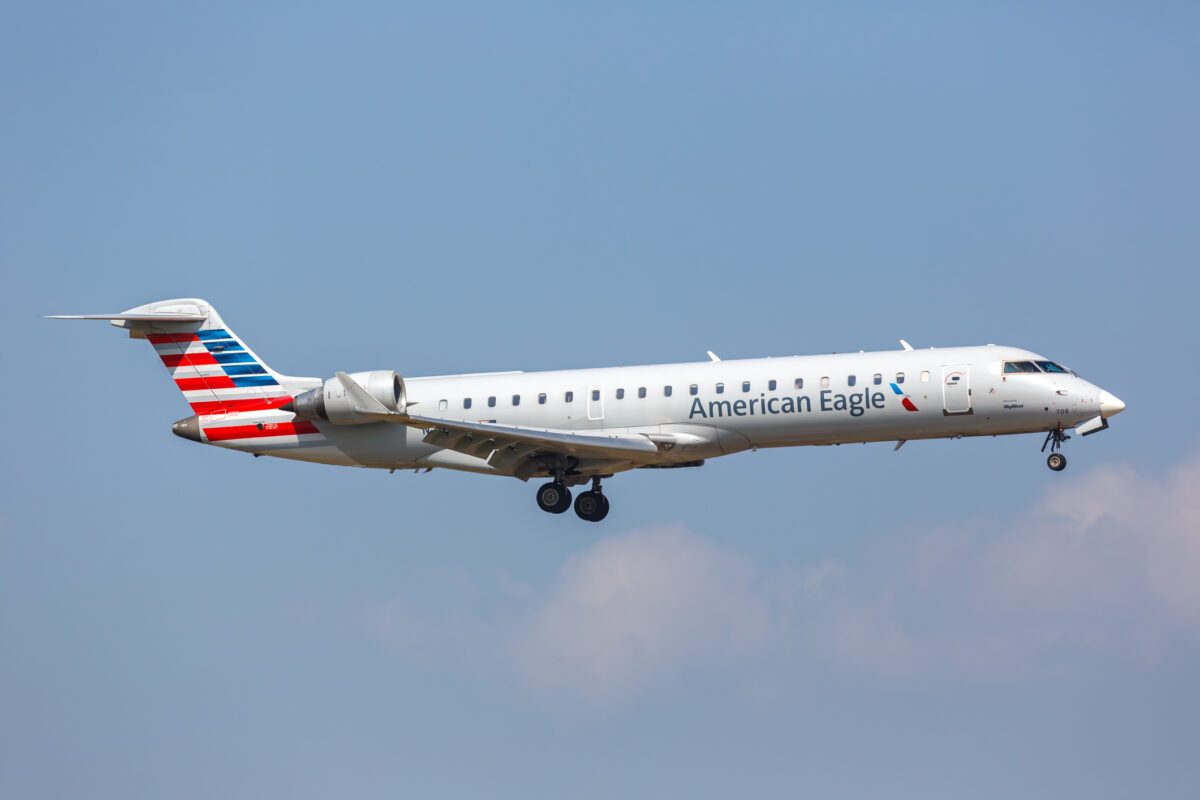
American Airlines has replaced its ground connection between South Bend (SBN) and Chicago O’Hare (ORD) with three daily round trips operated by 65-seat Bombardier CRJ-700 regional jets.

The aircraft service began Monday, October 5, one day after The Landline Company operated its final American-branded motorcoaches on the route. The change gives American passengers a conventional air connection to ORD less than a year after the carrier introduced the unusual airside bus operation.
South Bend airport announced the switch in August, saying the route had performed well enough to move to a dual-class regional aircraft. Passengers booked on the buses after the changeover date were automatically moved to the new flights.
Read our stories in your inbox
Two aviation newsletters. Zero fluff.
Three Flights Replace Six Daily Motorcoaches
American began selling the South Bend–O’Hare ground connection in October 2025 with four daily trips in each direction. By the end of the operation, SBN said Landline was running six daily departures each way with 35-seat coaches.
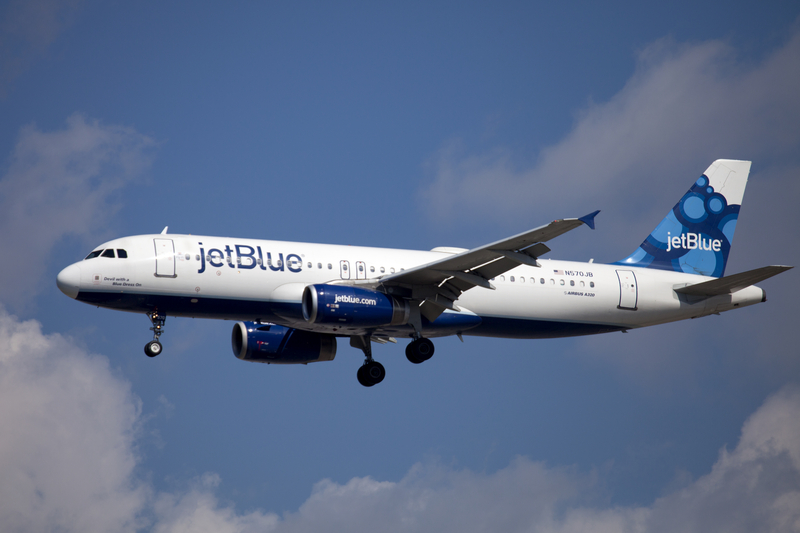
The move to three 65-seat CRJ-700 flights therefore cuts frequency in half while leaving overall capacity relatively close to the bus schedule. The aircraft provide 195 seats per direction each day, compared with 210 seats across six fully scheduled coaches, a reduction of about 7%.
That trade changes the product more than it changes the number of seats available. Travelers lose some departure-time flexibility, but the aircraft eliminate the highway portion of the trip and provide a faster link to American’s ORD banks under normal operating conditions. The route also shifts from exposure to road congestion to the operational constraints associated with a busy hub, including taxi times, air traffic flow restrictions and regional weather.
The buses were more closely integrated with the airline operation than a conventional intercity coach. Under the original arrangement announced by SBN, passengers checked in and cleared security at South Bend before boarding. Checked bags transferred automatically at O’Hare, while connecting passengers arrived inside the secure area and proceeded directly to their next gate.
The 35-seat vehicles offered leather seating, Wi-Fi and in-seat power. The service appeared in American’s booking channels as part of a connecting itinerary, and passengers could earn or redeem AAdvantage miles on the ground segment.
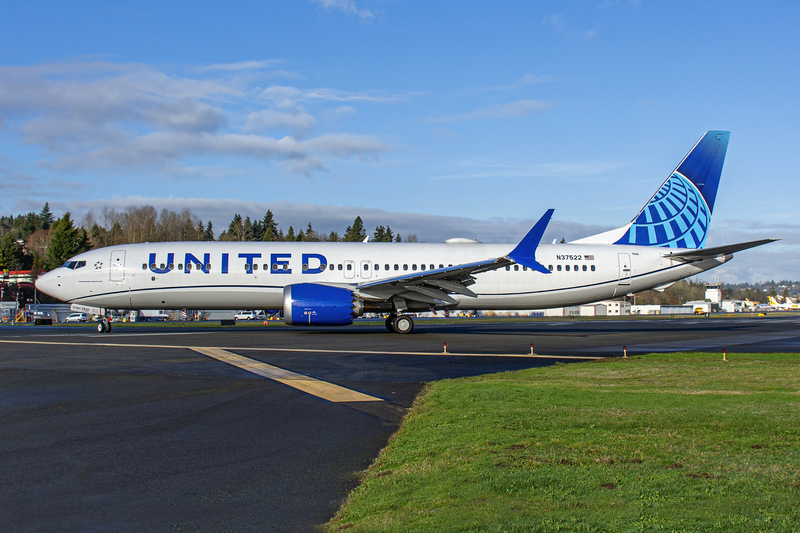

CRJ-700 Brings a First-Class Cabin
American’s 65-seat CRJ-700 layout has nine first-class seats, 12 Main Cabin Extra seats and 44 standard Main Cabin seats. The aircraft offers Wi-Fi and entertainment streamed to passengers’ own devices, although American lists no passenger power at the seats.
The first-class cabin is a meaningful product change for passengers connecting to or from premium itineraries at ORD. The bus provided a relatively spacious interior but remained an economy-only segment. The CRJ-700 allows American to sell a consistent two-cabin journey and creates additional upgrade inventory for frequent flyers.
The aircraft is far more capable than this short sector requires. The CRJ program’s current support organization lists a range of up to 1,400 nautical miles and a maximum cruise speed of Mach 0.825 for the type. Those figures make the jet suitable for a broad range of regional missions, but on South Bend–Chicago its value lies in capacity and compatibility with American’s regional network rather than range.
For such a short flight, block time will be driven heavily by ground movement and the traffic environment at O’Hare. Even so, replacing a road journey with a jet materially improves the usefulness of the connection for passengers trying to reach specific departure banks at American’s Chicago hub.
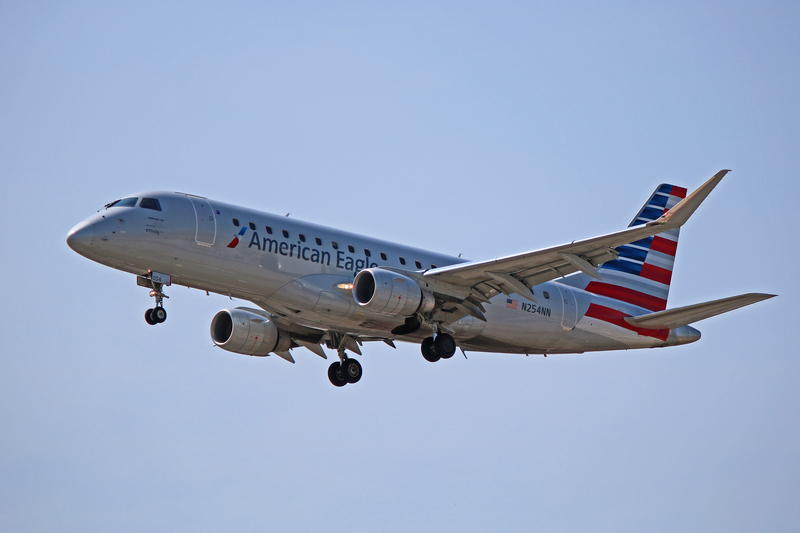
American Adds Another Competitor to a Busy Short-Haul Market
The service places American directly against United Airlines, the established operator between South Bend and O’Hare. SBN said in 2025 that United was increasing the route from six to eight daily round trips and beginning a transition toward dual-class Bombardier CRJ-550 aircraft.
American is approaching the market with fewer frequencies but a larger 65-seat aircraft. Its schedule is primarily designed to feed ORD rather than compete for local South Bend–Chicago traffic, although local passengers can also book the flights.
The O’Hare service joins American’s existing South Bend links to Charlotte (CLT) and Dallas/Fort Worth (DFW). That gives the Indiana airport access to three American hubs by aircraft, restoring Chicago as a conventional spoke rather than an airline-coded ground segment.
The switch comes during a period of strong passenger growth at SBN. The airport handled a record 1,111,002 ticketed airline passengers in 2025, up 23.5% from 2024. Airport management attributed part of that growth to new routes and additional frequencies, including American’s original ORD bus connection and United’s expanded Chicago schedule.
Bottom Line
The immediate winners are American passengers whose itineraries already flowed through O’Hare. They retain the ability to begin at SBN, check bags through to their destination and remain within a single airline itinerary, but now gain a shorter journey and a proper first-class cabin. The cost is a less frequent schedule: three aircraft departures cannot provide the same choice of connection times as six motorcoaches, even if daily seat capacity remains broadly similar.
The change also shows how an integrated bus can function as a market-development tool rather than a permanent substitute for flying. American established the O’Hare connection with limited operating risk, kept passengers inside its booking and baggage systems and then moved the route to aircraft after the airport said it performed well. The next test is whether three daily CRJ-700 flights provide enough schedule coverage to retain those passengers against United’s denser ORD operation.
Watch whether American adds frequencies once the flying has matured, particularly if loads are strong but passengers reject the long gaps between departures. The carrier has preserved most of the bus operation’s seat count while improving the product, but the route’s longer-term position will depend on schedule utility, connection performance at O’Hare and the competitive response from United.