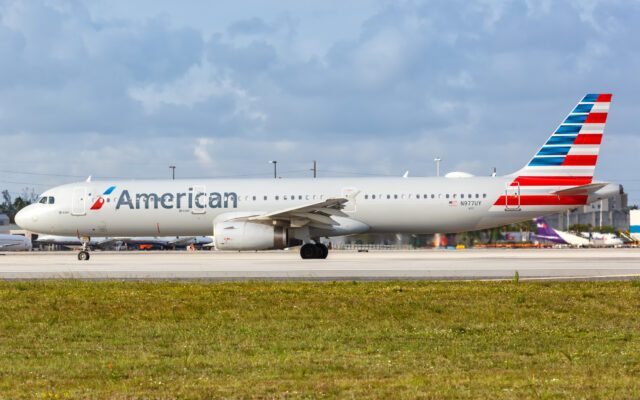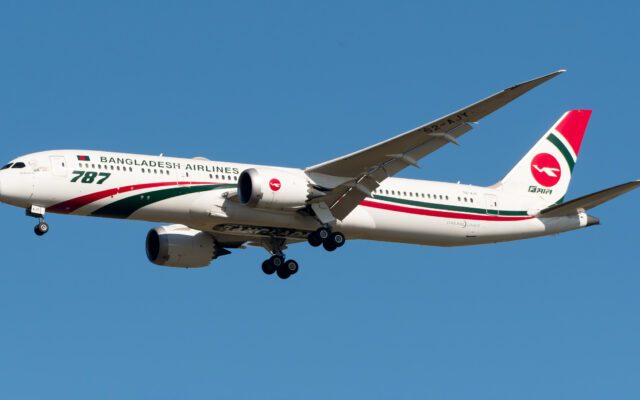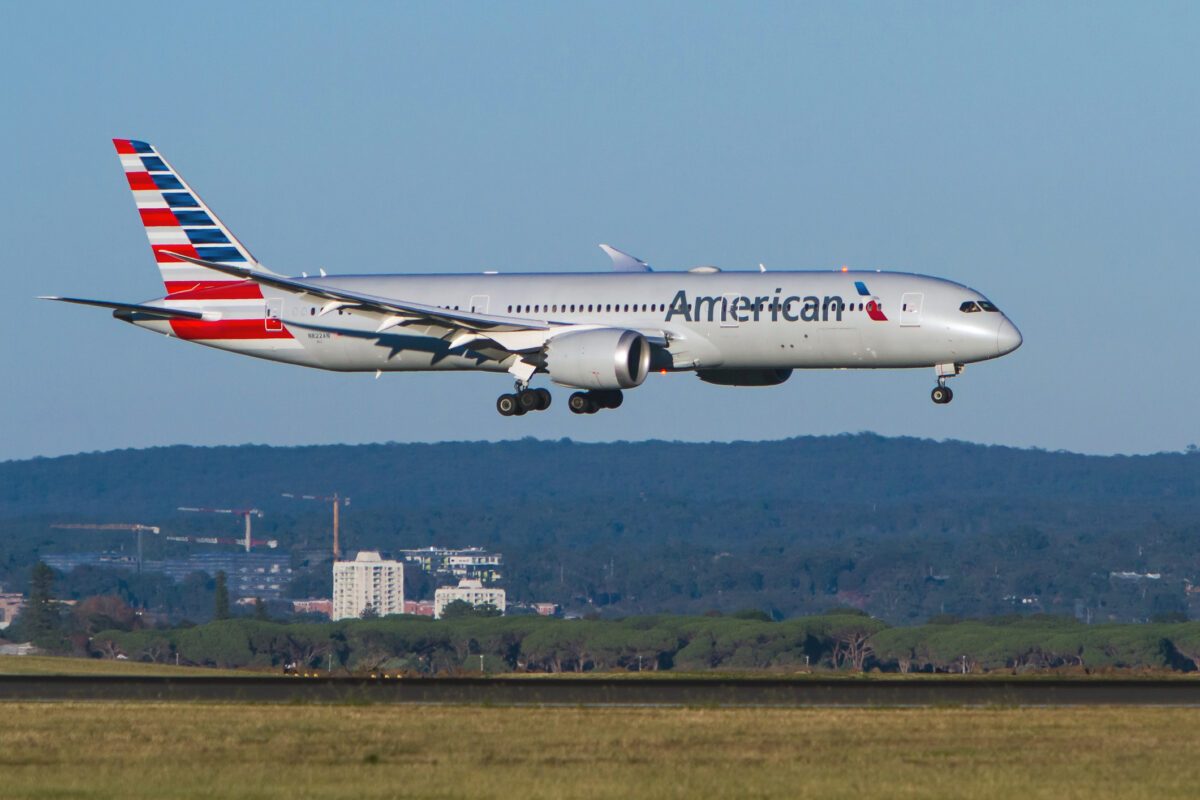
American Airlines and Condor have signed an interline agreement that will link the U.S. carrier’s domestic network with Condor’s transatlantic services through four American airports.

Under the agreement announced by Condor on September 16, passengers will be able to travel on both airlines under one ticket, check in for the complete itinerary and have baggage transferred to the final ticketed destination.
The initial gateways are Boston Logan (BOS), New York JFK (JFK) and Los Angeles (LAX). Chicago O’Hare (ORD) will join the arrangement when Condor begins its new Frankfurt service there in May 2027.
Read our stories in your inbox
Two aviation newsletters. Zero fluff.
Condor said itineraries involving both carriers would become available through the airlines, travel agencies and other sales channels. It did not give a specific sales date.
American Feed for Condor’s Frankfurt Flights
The partnership is designed to make Condor’s transatlantic flights accessible from more than 150 cities served by American. That gives the German airline domestic feed beyond the local markets at BOS, JFK and LAX without requiring it to operate additional U.S. flights or rely entirely on separate-ticket connections.
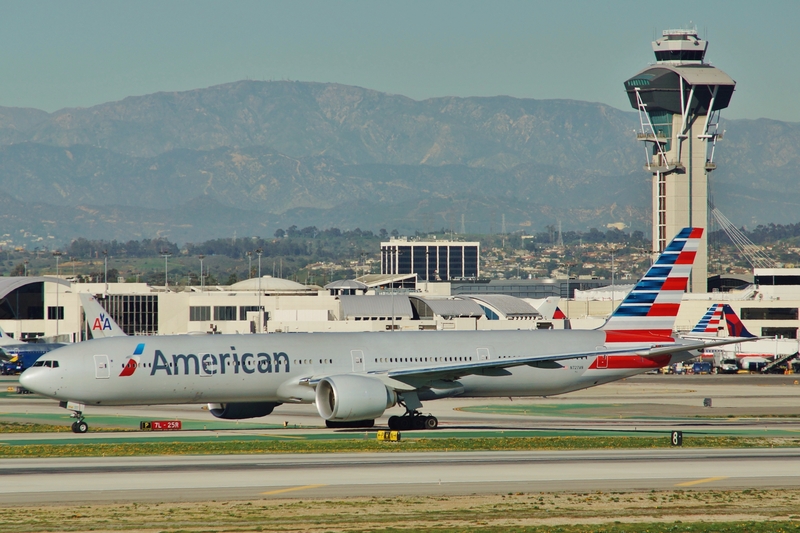
For American, the agreement adds another ticketable option to Frankfurt (FRA) and Condor’s European network. American customers will connect to Condor’s nonstop Frankfurt flights at the U.S. gateways, then continue on Condor-operated services or other available connections beyond FRA.
The gateway selection draws on different parts of American’s network. JFK and LAX are among American’s nine hubs, while BOS provides access to the airline’s Boston schedule and local New England market. ORD will become the most substantial connecting point in the arrangement once Condor arrives there, with American operating more than 500 daily departures at the hub during peak periods in 2026.
The interline structure is narrower than a codeshare. Its immediate commercial value lies in through-ticketing, coordinated passenger handling and baggage transfer rather than either airline placing its code on the other’s flights.
Chicago Will Add the Largest Connection Complex
Condor will begin daily seasonal flights between FRA and ORD on May 14, 2027. The Chicago route is scheduled through September 12, 2027, placing it squarely in the peak transatlantic summer season.
Chicago materially changes the scale of the partnership. American’s ORD operation connects more than 150 destinations and is built around domestic banks that can aggregate traffic from the Midwest, Great Lakes region and smaller U.S. markets. That gives Condor access to a broader pool of connecting demand than it could generate from Chicago-area passengers alone.
The planned daily frequency should also make ORD easier to integrate into American itineraries than a thin, less-than-daily long-haul operation. A daily transatlantic schedule gives the carriers more options when matching domestic arrivals and departures to the Condor flight, while reducing the disruption created when a passenger misses the only flight offered on selected days.
Condor plans to move its Frankfurt operation to the airport’s new Terminal 3 with the 2027 summer schedule. The airline has positioned the facility’s transfer processes as part of its effort to develop FRA into a stronger connecting operation rather than using it principally as an origin-and-destination base.
A330neo Fleet Gives Condor a Standardized Product
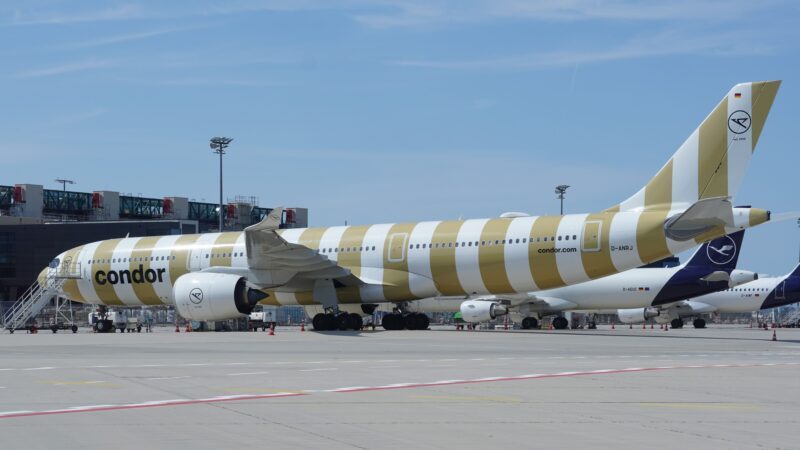
Condor operates long-haul flights with the Airbus A330-900neo, including the planned Chicago route. The airline completed its long-haul fleet renewal in 2024 and now operates 18 of the twinjets, with further aircraft scheduled to expand the fleet in the coming years.
According to Condor’s published fleet information, each A330-900neo has 310 seats: 30 in Business Class, 64 in Premium Economy and 216 in Economy. Business Class uses direct-aisle-access seats that convert into beds, with four larger Prime Seats in the first row.
The common fleet is relevant to the interline proposition. Passengers connecting from American will encounter the same basic long-haul cabin layout across Condor’s gateways rather than a mixed fleet with materially different premium products. The 64-seat Premium Economy cabin also gives the partnership substantial inventory between standard economy and lie-flat business class, a useful segment for both premium leisure traffic and price-sensitive corporate travelers.
Condor Has Built More Feed Beyond Frankfurt
The American agreement arrives after Condor broadened its own European network. The carrier began adding city routes from FRA in 2025 and expanded the program again for summer 2026, developing a schedule of 13 European city destinations alongside its established leisure flying.
That expansion included domestic German service and links to major European business and leisure markets. Condor said the additional flights were timed to support both local travel and connections with its long-haul operation. The strategy gives the new American relationship more utility than a partnership focused only on passengers beginning or ending their journeys in Frankfurt.
The European network is operated increasingly with Airbus A320neo-family aircraft as Condor renews its short- and medium-haul fleet. The airline’s 2026 city-network expansion added further depth to the FRA schedule and reinforced its shift toward a more conventional connecting model.
Another North American Distribution Channel
American joins an established group of carriers feeding Condor in North America. Condor has worked with Alaska Airlines for more than a decade and upgraded that relationship from interline cooperation to a bilateral codeshare in 2023.
The American agreement is significant because it adds another large domestic network while incorporating gateways in the Northeast, Southern California and, from 2027, the Midwest. It also reduces Condor’s dependence on any single U.S. partner for connecting traffic.
For passengers, the practical distinction from a self-connection is substantial. A single ticket places the itinerary within one booking and supports through-checked baggage, while giving the airlines a defined process for handling passengers when a disruption affects a connection. That is particularly important on itineraries involving one daily or seasonal transatlantic flight.
Bottom Line
Condor gains the most immediate leverage from the agreement. American can now supply domestic traffic to three existing transatlantic stations without Condor adding aircraft, crews or U.S. points of sale. Chicago then adds a large hub precisely when Condor introduces a daily route that will need connecting passengers to supplement local demand.
American, meanwhile, gets an additional Frankfurt option without deploying its own aircraft or altering its existing Atlantic partnerships. Condor’s large Premium Economy cabin and standardized A330-900neo product give American a differentiated capacity source, particularly for summer leisure demand and travelers originating outside the major coastal gateways.
The next measure of the partnership will be its commercial depth. Fare availability, schedule alignment and disruption handling will determine whether the four gateways generate useful connecting flows rather than simply adding theoretical destinations to booking displays. If traffic develops as expected, a codeshare or reciprocal loyalty benefits would be logical areas for the airlines to examine.
Keep reading FlyMag
Get the Daily Brief in the morning or the Route Watch weekly recap on Fridays. Or both.