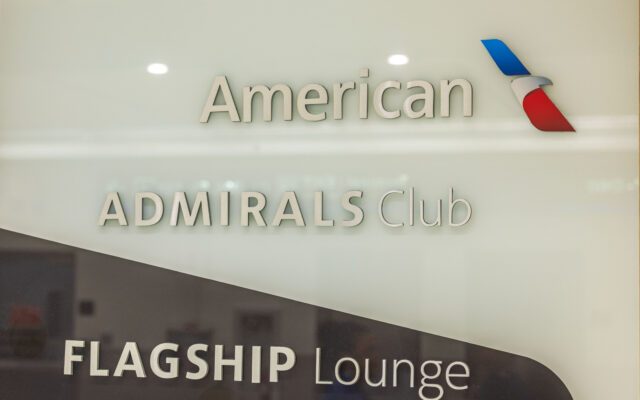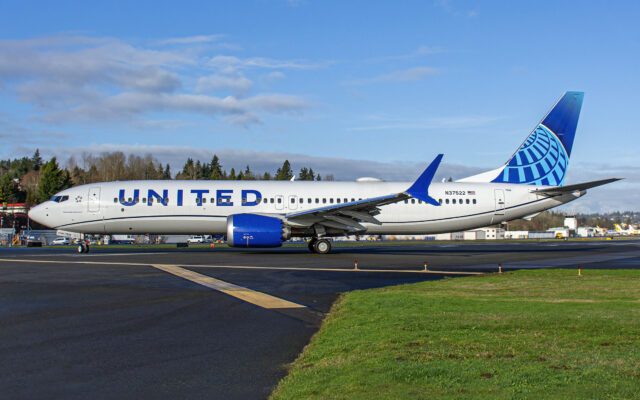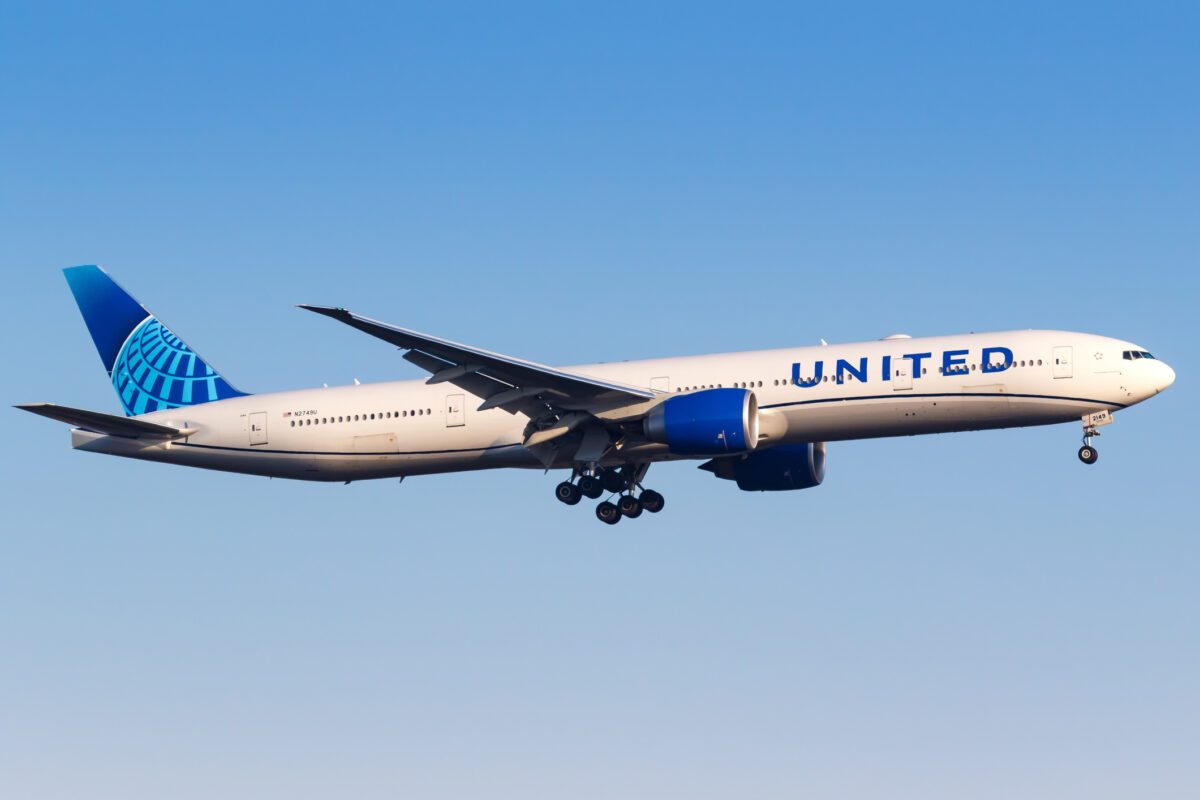
United Airlines chief executive Scott Kirby has renewed his argument that a merger with American Airlines could clear a US antitrust review, six months after American rejected his approach and United ended its pursuit of talks.
Speaking during a Yahoo Finance Invest interview on November 12, Kirby said the principal obstacle was securing a willing partner rather than persuading regulators. He acknowledged that a transaction would not be straightforward and would require asset sales, but said: “I 100% think it could get approved.”
The comments do not indicate that discussions have resumed. American has made no announcement of a change in its position, and neither airline has disclosed an agreement, offer or current negotiation.
Read our stories in your inbox
Two aviation newsletters. Zero fluff.
Kirby Reopens the Argument, Not the Talks
Kirby first approached American earlier in 2026 about exploring a combination. In an April 27 statement filed with the Securities and Exchange Commission, he said he believed a merger could add service and create a larger US airline able to compete globally. He also confirmed that the effort had ended after American declined to engage.
American had already issued its own formal response on April 17. The Fort Worth-based carrier said it was neither engaged in nor interested in discussions, arguing that a United combination would be detrimental to competition and consumers.

Kirby’s latest remarks therefore amount to a renewed defense of the concept rather than a renewed bid. His case rests on the view that regulators should examine competition across more than fares and schedules. He argued that passengers also choose between airlines on reliability, service, technology and the onboard product, areas in which a larger combined company could spread investment across a broader network.
That position follows United’s wider strategy of trying to distinguish its product rather than treating air travel as interchangeable capacity. Kirby told the conference that he was more confident about the regulatory prospects than when he made the original approach.
A Combination Would Face an Extensive Route Review
Any proposed deal would still receive detailed scrutiny from the Justice Department. Its current merger guidelines examine whether a transaction would significantly increase concentration, remove substantial competition between the parties or reinforce an already dominant position. The analysis is conducted market by market, meaning the agencies would consider individual city pairs and airport positions rather than relying solely on the combined airlines’ national share.
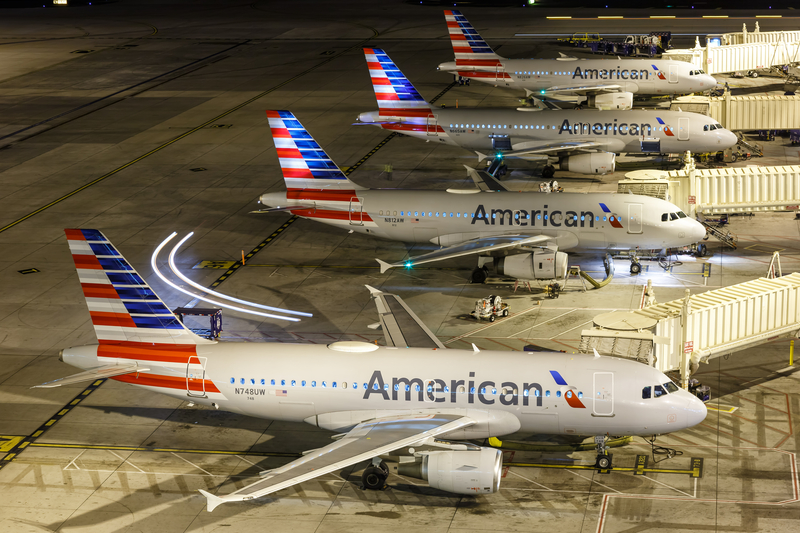
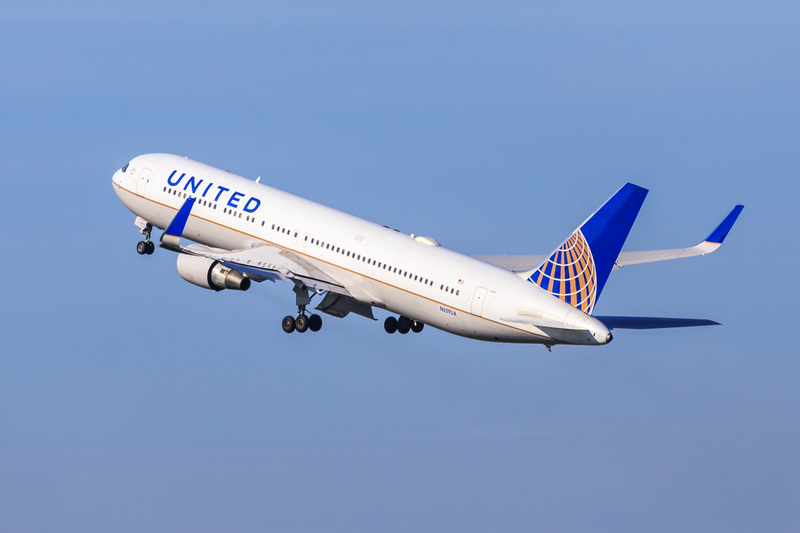
United and American operate two of the country’s largest networks. United identifies hubs in Chicago, Denver, Houston, Los Angeles, Newark, San Francisco and Washington, while American’s network centers include Charlotte, Chicago, Dallas/Fort Worth, Los Angeles, Miami, New York, Philadelphia, Phoenix and Washington. Both designate Chicago O’Hare (ORD) as a hub, and they compete across numerous large business, connecting and international markets.
Kirby did not identify which assets he believed would have to be divested. Potential remedies in airline transactions can include slots, gates, airport facilities or route-related assets, but regulators would have to determine whether buyers could use them to replace competition lost through the merger.
There is precedent for a United transaction proceeding after concessions. When United and Continental combined in 2010, the Justice Department closed its investigation after the airlines agreed to transfer Newark slots and other assets to Southwest Airlines. The department said at the time that the two networks were largely complementary and had a limited number of overlapping nonstop routes.
A United-American transaction would present a broader exercise. It would join two established nationwide competitors with substantial loyalty programs, corporate contracts and international partnerships. The Department of Transportation would also have a role in transferring international operating authority and confirming that the resulting company continued to meet US airline citizenship and fitness requirements, according to the department’s merger review guidance.
The Airlines Would Combine Enormous Networks and Fleets
The financial scale alone would place a proposed deal in a different category from most recent US airline transactions. United reported $50.2 billion in operating revenue for the first nine months of 2026 in its latest quarterly filing. American reported $47.0 billion over the same period in its third-quarter filing, taking their combined nine-month revenue above $97 billion.
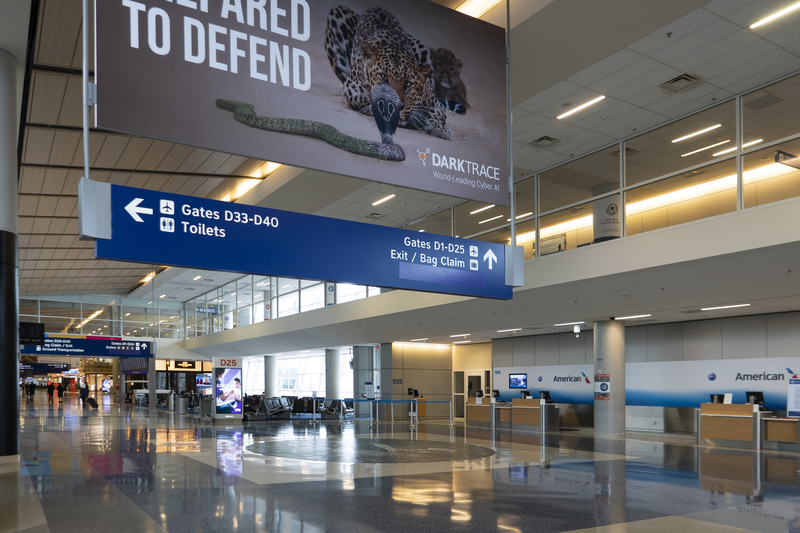
American ended 2025 with 1,013 mainline aircraft and 567 regional aircraft operated under the American Eagle brand. Its fleet includes the Boeing 737-8 MAX, Boeing 787-9 and Airbus A321XLR. American has described the A321XLR as using an estimated 10% less fuel per seat than its current widebody aircraft, making the long-range narrowbody suitable for thinner transatlantic markets.
United is also deploying the A321XLR while continuing a large narrowbody and widebody renewal program. Although the carriers share several aircraft families, a merger would still require the integration of extensive Airbus, Boeing and regional fleets, along with separate maintenance programs, crew systems, airport operations and aircraft order books.
Those operational issues would come only after boards, shareholders and regulators considered a transaction. American’s refusal to explore the proposal means the process has not reached that stage.
Bottom Line
Kirby’s remarks keep consolidation on the industry agenda, but they do not change the immediate status of United and American. There is no deal to review without American’s participation, and American’s only formal statement on the approach rejected both the commercial premise and the antitrust case. The next meaningful development would have to come from American’s board or through a securities filing, not another expression of interest from United.
The larger significance is Kirby’s contention that scale can improve service and technology enough to offset the loss of a major independent competitor. That is a difficult argument in aviation because network breadth, frequency, loyalty benefits and corporate contracting are themselves dimensions of competition. Regulators would be unlikely to accept divestitures based only on the number of gates or slots surrendered; the assets would need to support credible replacement service in the markets where United and American currently constrain each other.
For now, the proposal remains an industry thesis rather than an active transaction. What matters next is whether American ever revisits its April position and, if it does, whether United can translate its customer-benefit argument into a remedy package capable of surviving a route-by-route antitrust review.