Airline status matching is best understood as a customer-acquisition offer, not a reciprocal recognition agreement. A carrier gives an established elite traveler temporary standing in its own program, then uses a compressed qualification period to test whether that traveler will move meaningful business.

That distinction matters. The advertised tier may appear immediately, but keeping it usually requires new spending or travel under rules that can be narrower than the airline’s normal qualification system. Current offers from Delta Air Lines, American Airlines and Southwest Airlines illustrate five details that can determine whether a match is valuable or wasted.
1. Most Status Matches Are Really Challenges
The word “match” suggests a carrier will copy a traveler’s existing status and leave it in place for a full membership year. In practice, major U.S. airlines frequently provide a short trial followed by a qualification target.
Read our stories in your inbox
Two aviation newsletters. Zero fluff.
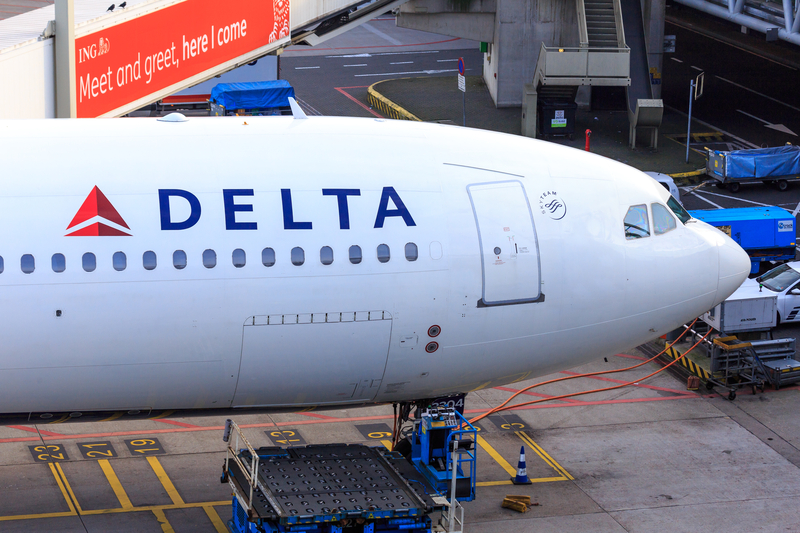
Under Delta’s 2026 Medallion Status Match Challenge, approved members receive Silver, Gold or Platinum Medallion status for 90 days. Extending that status requires earning 1,250 Medallion Qualification Dollars for Silver, 2,500 MQDs for Gold or 3,750 MQDs for Platinum during the match period, plus at least one eligible Delta-marketed flight.
Southwest’s Rapid Rewards status match provides A-List or A-List Preferred for 120 days. An A-List member can extend the promotional tier for 12 months by completing six qualifying one-way flights or earning 11,500 tier qualifying points. A-List Preferred requires 12 one-way flights or 23,000 tier qualifying points.
American uses a longer staged structure through its AAdvantage status match. Approved members initially receive status for four months and must meet a Loyalty Point target to continue. The first-period thresholds range from 13,000 Loyalty Points for Gold to 67,000 for Executive Platinum.
The practical calculation is therefore not simply which tier an airline will grant. It is whether the traveler’s expected activity fits the challenge window and the target carrier’s qualifying rules.
2. The Clock Can Start Before the First Planned Trip
Application timing is one of the most consequential parts of a status match. Delta begins the 90-day period within 24 hours of the enrollment confirmation email. American starts its initial four-month period when registration is approved, and Loyalty Points earned before approval do not count.
That makes speculative applications risky. A traveler expecting a heavy schedule later in the year can consume much of the challenge while waiting for those trips to begin. Posting delays add another complication: American warns that some qualifying activity can take six to eight weeks to appear, while placing responsibility on the member to ensure that points credit correctly.

Southwest applies an additional booking restriction. Promotional status must be confirmed before travel is booked to receive the corresponding benefits, and only new reservations booked and flown during the 120-day promotion period count toward the extension requirement. Existing reservations cannot simply be carried into the challenge unchanged and assumed to qualify.
The strongest use case is a planned switch supported by a defined block of near-term travel. Approval should be timed around bookings, not treated as something to obtain months in advance in case it becomes useful.
3. A Status Card May Not Be Enough
Airlines increasingly distinguish between status earned through published requirements and status obtained through another promotion, gift or match. They may also demand evidence showing how the original tier was earned.
Delta requires a current elite credential and a statement showing the activity that produced the status. Applicants must have belonged to SkyMiles for at least 30 days and, during the previous three years, flown at least one Delta-marketed itinerary above Basic Economy. Complimentary or promotional status with the competing airline does not qualify.
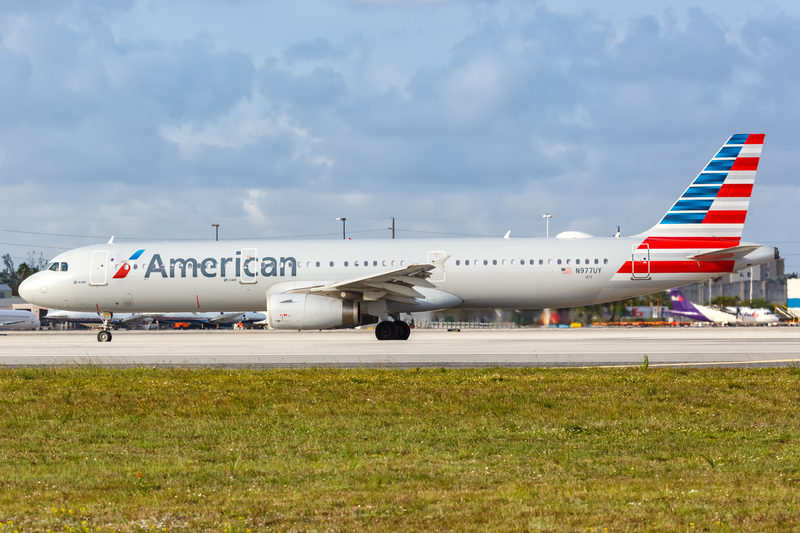
American similarly asks for program-specific screenshots showing names, account details, expiration dates and, for some carriers, status activity. Its terms exclude matched, transferred, lifetime and promotional status, even when the member’s account displays a valid elite tier.
This closes off the informal strategy of building a chain of matches from one carrier to the next. A tier that is operationally valid for boarding, baggage and upgrade purposes may still be invalid as the basis for another airline’s offer.
4. “Equivalent” Does Not Mean Identical
The receiving airline controls the conversion table. It is not obliged to recognize the applicant’s title, qualification difficulty or benefit package on a one-for-one basis.
Delta caps its public match at Platinum Medallion. American Executive Platinum, United Premier 1K and other high-level tiers map to Platinum rather than Diamond. Delta also withholds Platinum Choice Benefits until the member completes the requirements to extend the matched status.
Southwest compresses several competing tiers into two levels. Delta Gold, Platinum and Diamond, for example, all map to A-List Preferred. That tier includes Southwest-specific benefits such as seat selection, checked bags, priority treatment and an earning bonus, but it is not a direct recreation of the traveler’s benefits at Delta.
American’s current table is more granular and can match Delta Diamond to Executive Platinum or United Premier 1K to Executive Platinum. Even then, upgrades remain inventory-controlled, and the member receives American’s rules and priority structure rather than a duplicate of the original carrier’s treatment.
Travelers should compare the benefits they will actually use: companion coverage, bag allowances, preferred seating, same-day changes, upgrade eligibility and partner recognition. Tier names alone are a poor basis for comparison.
5. Ordinary Qualifying Activity May Not Count
Status challenges operate through their own terms, which can override assumptions based on the standard loyalty program.
Delta permits several sources of MQDs during its challenge, including eligible flights, qualifying card spending and Delta Vacations activity. However, MQD Headstart deposits from eligible American Express cards do not count toward the match requirement, and Basic Economy travel is excluded. Activity before or after the 90-day window is also disregarded.
Southwest excludes Rapid Rewards award travel, Companion Pass travel, charter flights, group travel and vacation-package bookings from its qualifying-flight count. A connection still counts as one journey between the origin and destination rather than as several separate qualifying flights. Changes made after ticketing can also cause an itinerary to lose eligibility.
American bases its challenge on Loyalty Points dated within the applicable measurement period. Eligible credit card activity can count, but points earned before approval do not. Because posting can lag the underlying transaction, members approaching a deadline need to monitor both the activity date and the account credit.
The safest approach is to treat the status-match terms as a separate qualification manual. A flight, card purchase or partner transaction that helps with ordinary annual status may not advance the challenge in the same way.
Bottom Line
Status matches are most valuable when a traveler has already decided to redirect business and can concentrate enough eligible activity into the trial period. The temporary benefits reduce the friction of that move: there is no interim stretch without priority treatment, baggage allowances or access to the target carrier’s upgrade process. Used without a firm travel plan, however, the same offer can consume a limited eligibility opportunity for little return.
The detailed restrictions also show how airlines view these promotions. They are prepared to recognize a competitor’s best customers, but only after verifying that the status was genuinely earned and only while measuring whether the member will produce new revenue. Limits on repeat participation, exclusions for promotional tiers and withheld top-tier benefits are designed to prevent status matching from becoming a permanent substitute for loyalty.
Travelers considering a match should work backward from upcoming flights, confirm that the reservations and fares qualify, and apply only when the challenge clock can be used efficiently. The headline tier is the least important part of the decision; the qualification window, eligible activity and benefits available during the trial determine the real value.
Keep reading FlyMag
Get the Daily Brief in the morning or the Route Watch weekly recap on Fridays. Or both.