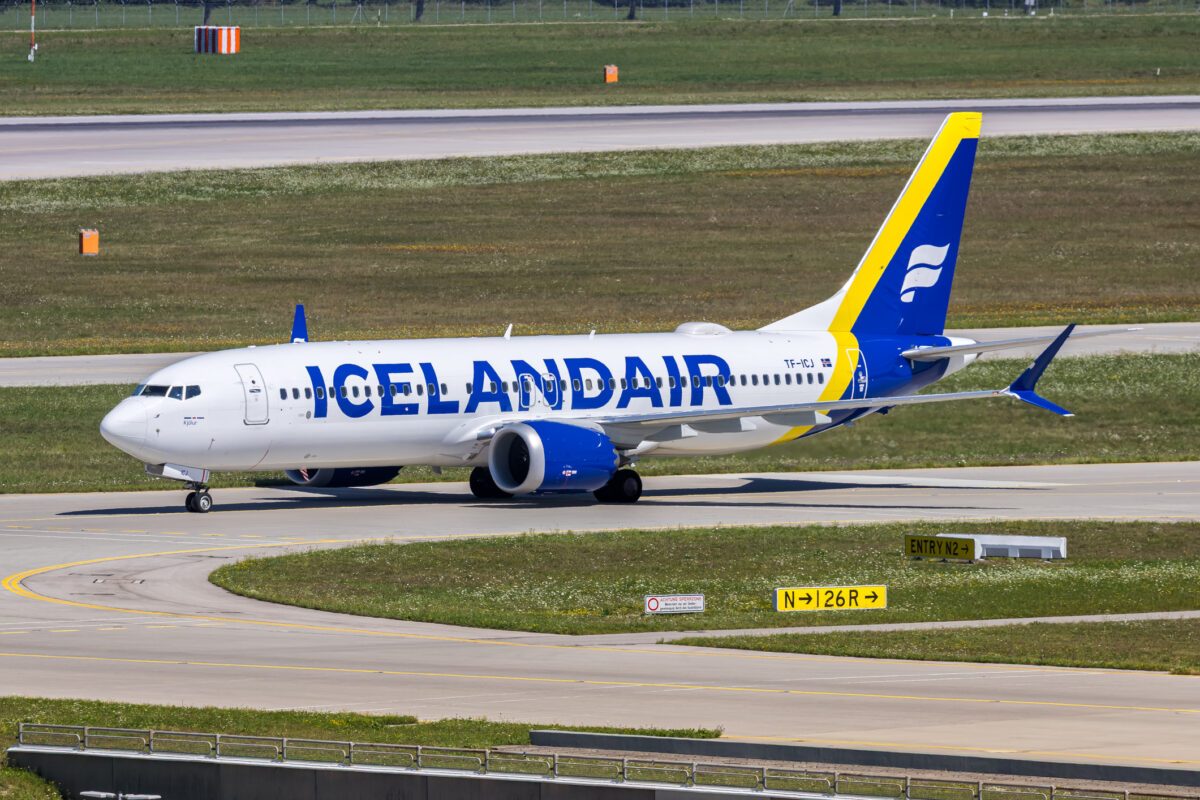
Icelandair will add St. Louis (STL) to its transatlantic network in May 2027, pairing a new nonstop route to Reykjavik Keflavik (KEF) with connecting traffic from Southwest Airlines.


The airline will operate the route three to four times weekly from May 14 through October 24, 2027. Flights are scheduled on Mondays, Wednesdays, Fridays and Sundays, according to Icelandair Group’s route announcement.
St. Louis will become Icelandair’s 16th U.S. destination in its published 2027 network. The service gives the Missouri city a nonstop link to Iceland and one-stop itineraries over KEF to more than 35 European destinations.
Read our stories in your inbox
Two aviation newsletters. Zero fluff.
A 160-Seat MAX 8 on the Atlantic
Icelandair will use the Boeing 737 MAX 8, configured for 160 passengers. Economy uses a conventional 3-3 layout, while Saga Premium has 2-2 seating at the front of the cabin.

The airline lists a maximum range of 3,515 nautical miles for the type. Its 737 MAX fleet page gives the MAX 8 a 40-inch seat pitch in Saga Premium and 31 to 32 inches in Economy. The aircraft also carries Icelandair’s seatback entertainment system, USB power and, on most of the fleet, onboard Wi-Fi.
The capacity is significant for a new seasonal market. At 160 seats, the MAX 8 allows Icelandair to open St. Louis with fewer seats to fill than one of its remaining Boeing 757s or a widebody. That lowers the local demand required to support each departure while still providing the range for the Midwest-Iceland sector.
Icelandair says the MAX uses 37% less fuel per trip than its 757-200 and 14% less than the previous-generation 737 NG. The carrier had 21 737 MAX aircraft at the end of 2025, alongside a shrinking 757 fleet and a growing number of Airbus A321LRs, according to its 2025 annual report.
Southwest Feed Changes the Route Equation
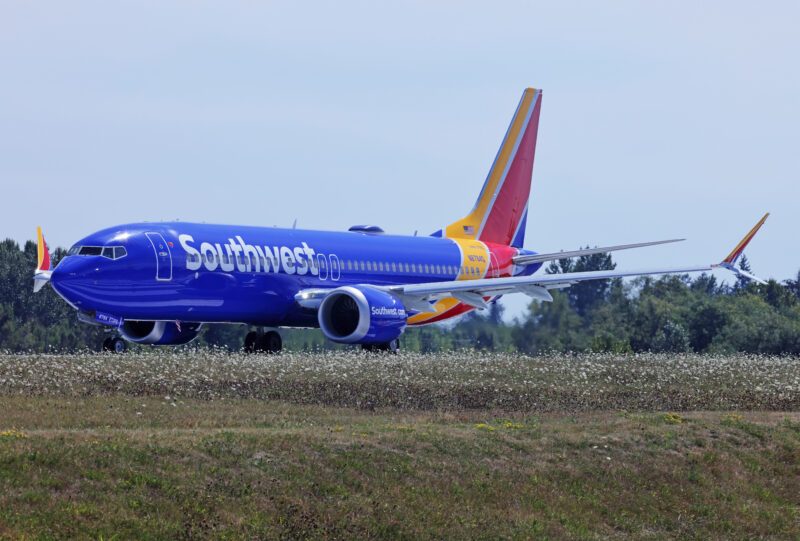
The St. Louis flight is not being built only around passengers beginning or ending their journeys in the metropolitan area. STL will become the seventh gateway where customers can connect between Icelandair and Southwest on a single ticket.
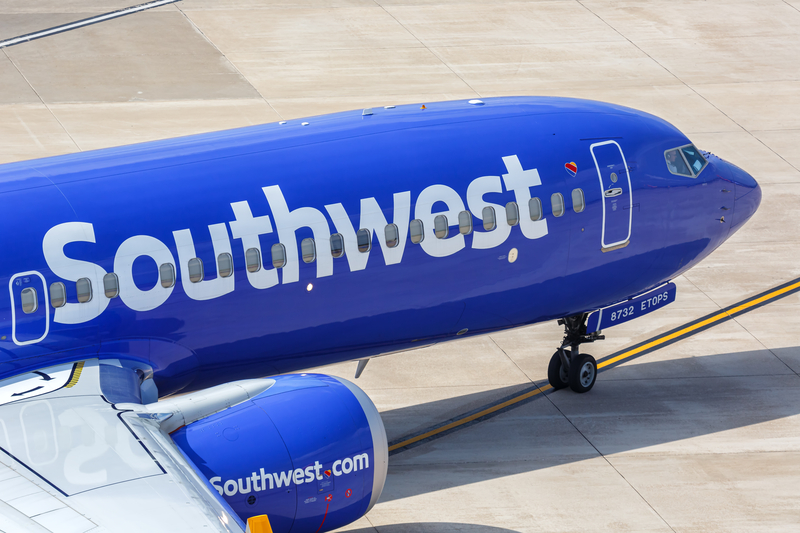
Southwest is by far the airport’s largest airline. It accounted for 63.8% of passengers in fiscal 2025, while STL handled about 15.5 million passengers, according to the airport’s 2025 annual report. That gives Icelandair access to a large pool of domestic itineraries without operating its own U.S. feeder network.
The partnership can also generate traffic in the opposite direction. Travelers arriving from Iceland or Europe can continue over St. Louis to cities in Southwest’s network, while domestic passengers can reach KEF and Icelandair’s European bank without making their transatlantic connection at a coastal gateway.
St. Louis is especially useful because Southwest’s presence there is not concentrated on a handful of local routes. The station functions as a major connecting point within its domestic network, creating potential feed from the Midwest, South and western United States.
The airlines began interline operations in February 2025, initially through Baltimore. Icelandair became Southwest’s first airline partner under the U.S. carrier’s push to add international connections beyond its own network. The arrangement subsequently expanded to six gateways before the addition of STL.

Southwest said when the agreement was signed that it was investing in the technology and processes needed to provide an industry-standard partner experience. The initial structure allowed connecting journeys to be sold through Icelandair’s channels, with passengers and checked baggage transferred between the two airlines. The carriers have continued broadening the commercial relationship since then.
Loyalty Programs Will Be Linked in 2027
The St. Louis launch will coincide with another step in the partnership. From spring 2027, members of Icelandair Saga Club will be able to earn Saga Points and Tier Credits on Southwest flights. They will also be able to use Saga Points toward itineraries containing Southwest-operated segments.
Southwest Rapid Rewards members will gain the ability to earn and redeem points for Icelandair travel. Icelandair confirmed the changes in an October 15 partnership update, describing St. Louis as the seventh shared gateway.
The loyalty link matters because the commercial arrangement is moving beyond basic interline functionality. Reciprocal earning and redemption can make the joint itinerary more attractive to regular Southwest customers who might otherwise select a competing U.S. airline and alliance combination for travel to Europe.
For Icelandair, the feed supports the economics of a route operating outside the largest U.S. international gateways. The airline can sell St. Louis both as a local market and as an inland transfer point, supplementing local demand during the early and late portions of the summer schedule.
Flights Run Through Late October
The service will begin on Friday, May 14, and continue through Sunday, October 24. Icelandair’s joint announcement with STL describes the operation as running up to four times per week.
Extending the route into late October gives Icelandair more than a conventional peak-summer test. The schedule covers the main summer travel period as well as part of the fall shoulder season, when Iceland and European city destinations can generate demand beyond the school-holiday peak.
The mix of a 160-seat aircraft, less-than-daily frequency and Southwest connections is a measured entry into the market. Rather than committing widebody capacity or daily service from the outset, Icelandair is using the network flexibility that has underpinned much of its North American expansion.
Bottom Line
St. Louis gains more than a seasonal nonstop to Iceland. KEF offers a connecting structure that can place a broad range of European markets within one stop of STL, while the MAX 8 keeps the amount of capacity introduced on each departure relatively conservative. The route should therefore appeal both to local passengers and to travelers who value avoiding a connection at a larger U.S. coastal airport.
For Icelandair, Southwest feed is the differentiator. A four-weekly flight based only on local St. Louis-Reykjavik demand would face a narrow traffic base, particularly outside midsummer. Adding domestic connections distributes that risk across multiple origins while also creating U.S. itineraries for passengers arriving through KEF.
The route is also evidence of Southwest’s changing commercial model. Its Icelandair agreement began as a limited interline arrangement and is developing into a multi-gateway partnership with reciprocal loyalty benefits. The next measure of progress will be how effectively the airlines align schedules and sell connecting itineraries, and whether successful inland gateways such as St. Louis lead Icelandair to add frequencies, extend seasons or open similar markets.
Keep reading FlyMag
Get the Daily Brief in the morning or the Route Watch weekly recap on Fridays. Or both.