Delta Air Lines has launched two new nonstop international routes from Seattle–Tacoma International Airport (SEA), adding seasonal service to Rome Fiumicino Airport (FCO) and Barcelona-El Prat Airport (BCN) in a move that strengthens both its European network and its strategic position in the Pacific Northwest.

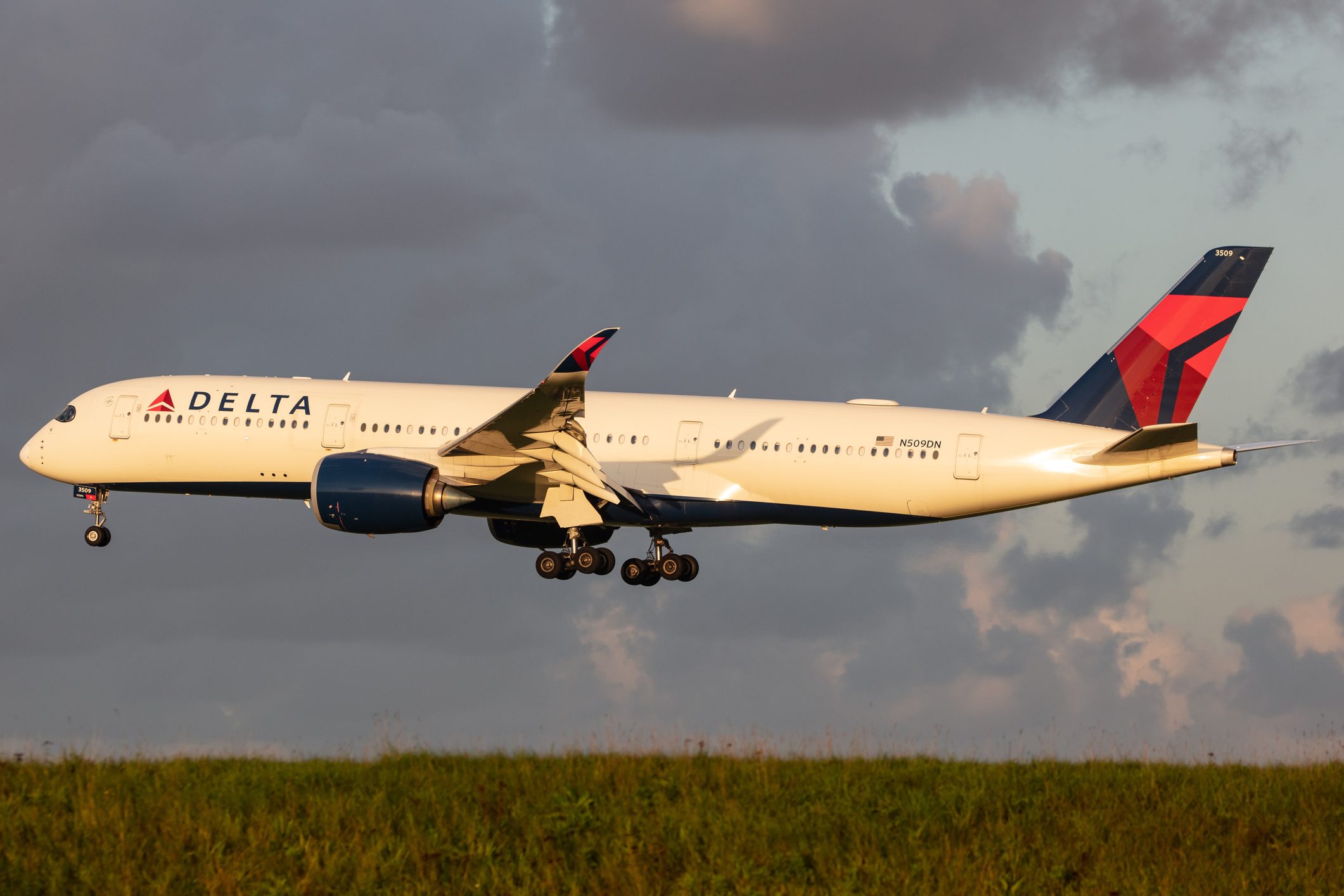
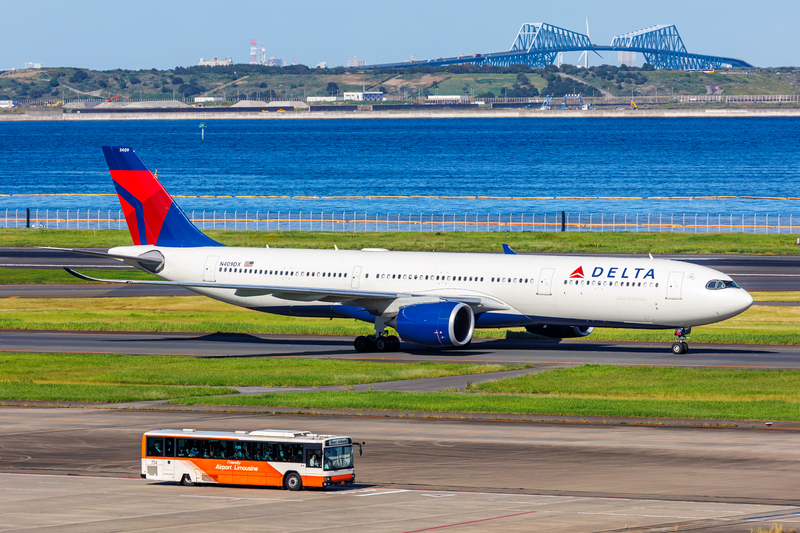
The new Rome service began on May 6, with the Barcelona flight following on May 7. Both are operated by the Airbus A330-900, one of Delta’s most modern long-haul aircraft types. On paper, these are just two seasonal Europe launches. In reality, they are a direct statement about Delta’s intentions in Seattle.
For aviation readers, the significance goes beyond route count. This is about dominance, premium demand, and holding the line in a hub where competition is becoming much more intense.
Read our stories in your inbox
Two aviation newsletters. Zero fluff.
Seattle Gets Its First-Ever Nonstop Flight To Spain
The Barcelona route is the more historic of the two.
It marks the first-ever nonstop service between Seattle and Spain, giving SEA a new Southern European market and giving Delta a first-mover advantage on a city pair that had not previously supported direct service. That matters because first flights to entirely new countries are often more strategically valuable than simply adding one more competitor on an existing route.
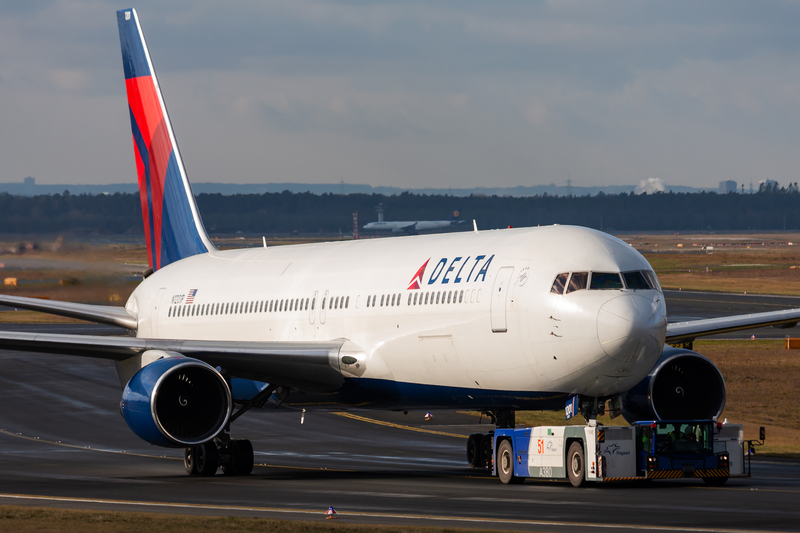
Barcelona is not just a leisure market. It also combines premium vacation demand, cruise traffic, business links, and broader Catalonia-bound travel appeal. For Delta, that mix makes it a very attractive summer addition.
Rome Adds A Competitive Dimension
The Rome route is significant for a different reason.
Delta becomes the second airline serving Rome from Seattle, which makes this a direct competitive move rather than a purely greenfield opportunity. That is particularly important in the current Seattle environment, where Alaska Airlines has also been growing its international ambitions.
So while Barcelona is about opening a brand-new market, Rome is about making sure Delta remains fully present in one of Europe’s most desirable summer destinations from the Pacific Northwest.

The Airbus A330-900 Tells You What Delta Thinks Of These Routes
The aircraft choice is one of the clearest signals in the whole story.
Delta is not sending a smaller long-haul aircraft or a lower-profile transatlantic type. It is using the Airbus A330-900, which says the airline sees these as serious premium and long-haul markets rather than tentative summer experiments.
That matters because the A330-900 brings not only strong range and economics, but also a premium-heavy product that fits the type of traveler Delta likely wants on both routes. Rome and Barcelona may be leisure-oriented in part, but they are not low-yield, bare-bones summer routes. They are the sort of markets where a better onboard product and more premium seating can materially improve the economics.
The Frequencies Are Measured, But Not Tentative
Delta is operating Barcelona three times weekly and Rome four times weekly.
That is a disciplined launch profile. It gives the airline enough frequency to matter without overcommitting capacity in the first season. For transatlantic seasonal service, this is often the right approach. It creates visibility in the market and allows the route to build demand while keeping the cost and seat-risk under control.
The fact that Delta is using the same aircraft type on both routes also suggests the airline sees them as part of one broader Seattle-Europe strategy rather than as disconnected experiments.
Seattle Is Becoming An Even Bigger Strategic Battlefield
The broader meaning of these launches is that Seattle is no longer just an important Delta hub. It is becoming one of the most closely watched competitive battlegrounds in U.S. long-haul aviation.
Delta has spent years building Seattle as a global gateway, but the airport is now seeing stronger international ambition from other carriers as well, especially Alaska. That makes every major route launch more significant than it would be in a less contested market.
Adding Rome and Barcelona is therefore not just about growing the network. It is also about defending Delta’s claim to Seattle as a serious international hub.
Southern Europe Fits Delta’s Current Long-Haul Logic
One reason these routes are so logical is that they fit exactly where premium and seasonal demand has been strongest in recent years.
Southern Europe continues to attract a powerful mix of high-yield leisure traffic, premium vacation spending, and post-pandemic transatlantic strength. Airlines have increasingly favored these kinds of markets because they can support premium cabins without relying entirely on traditional corporate travel.
That makes Rome and Barcelona especially attractive. They are not just tourist cities. They are also cities that can support a stronger overall revenue mix than many narrower seasonal markets.
Delta’s Seattle Growth Is Now Clearly Long-Haul And Premium-Oriented
Delta already serves major long-haul markets from Seattle, including Amsterdam, London, Paris, Seoul, Shanghai, Taipei, and Tokyo Haneda.
Adding Rome and Barcelona pushes that strategy further in a very specific direction. It shows the airline continues to see Seattle not just as a transpacific gateway, but as a fully rounded international hub capable of supporting a broader premium transatlantic network.
That is what makes these additions more important than they might first look. They are part of a bigger pattern, not just a seasonal flourish.
Bottom Line
Delta’s new nonstop service from Seattle (SEA) to Rome (FCO) and Barcelona (BCN) is a significant step in the airline’s effort to deepen its international reach from the Pacific Northwest. Barcelona gives Seattle its first-ever direct route to Spain, while Rome strengthens Delta’s hand in a major Southern European market where competition is already intensifying.
The use of the Airbus A330-900, along with the measured but meaningful frequency levels, shows that Delta sees both routes as serious additions to a premium-oriented long-haul strategy. More than that, it shows the airline is still investing heavily in Seattle as a global hub at a moment when the competitive stakes there are rising.
Keep reading FlyMag
Get the Daily Brief in the morning or the Route Watch weekly recap on Fridays. Or both.