Air New Zealand is finally restoring long-haul international flying from Christchurch Airport (CHC) in a serious way, announcing the return of nonstop service to Singapore, Tokyo Narita, and Perth from late 2026.

That matters because Christchurch is New Zealand’s second-largest city, but for years it has lacked the kind of long-haul network depth that gives a major regional gateway real international weight. These three route returns begin to change that.
For aviation readers, the bigger point is not just the destinations themselves. It is that Air New Zealand is once again willing to make Christchurch a meaningful long-haul base rather than just a secondary domestic and short-haul station.
Read our stories in your inbox
Two aviation newsletters. Zero fluff.
Three Routes, Three Different Kinds Of Value
The resumed routes are:
- Christchurch – Singapore from October 28, 2026
- Christchurch – Tokyo Narita from November 28, 2026
- Christchurch – Perth from November 30, 2026
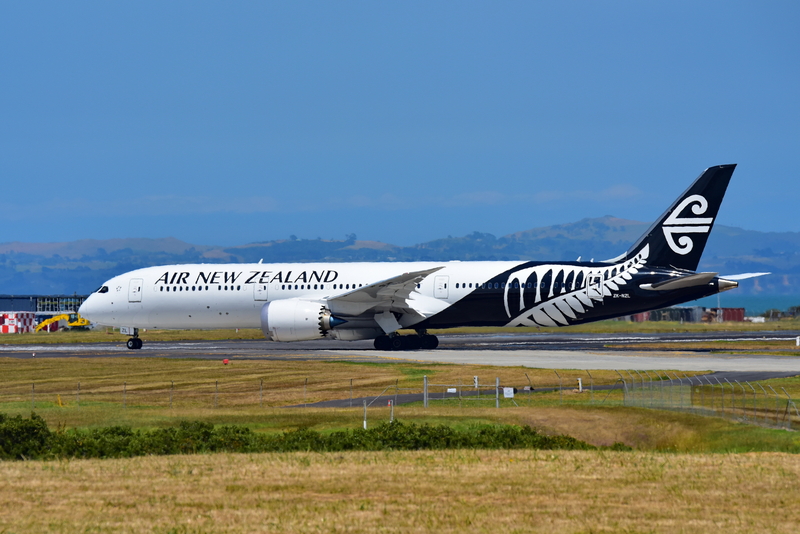
All three will operate three times weekly on the Boeing 787-9 Dreamliner.
What makes the trio especially interesting is that they are not all trying to do the same thing. Singapore is a classic long-haul connecting gateway, Tokyo gives Christchurch a strong Northeast Asia link, and Perth adds a trans-Tasman-plus market with both local and connection value. Together, they create a much more rounded international profile for the South Island.
Christchurch Gets Real Long-Haul Relevance Again
This is the biggest strategic takeaway.
Christchurch has had long-haul service before, but much of its international relevance has come from foreign carriers or more limited long-haul options. Air New Zealand restoring three of its own routes from the airport signals that the airline now sees enough fleet flexibility and enough demand strength to rebuild Christchurch’s role in its network.
That matters because a carrier’s own base decisions often say more about long-term confidence than a single route launch ever can.
Singapore Is The Most Strategically Important
Of the three, Singapore may be the most important strategically.
It is not just a destination. It is a major long-haul hub and a route that can support both local Christchurch demand and onward international connectivity. The service also restores a market that had disappeared since before the pandemic, which gives Christchurch a direct Southeast Asia link again.
That has implications beyond tourism. It matters for business travel, wider Asia access, and the South Island’s overall international positioning.
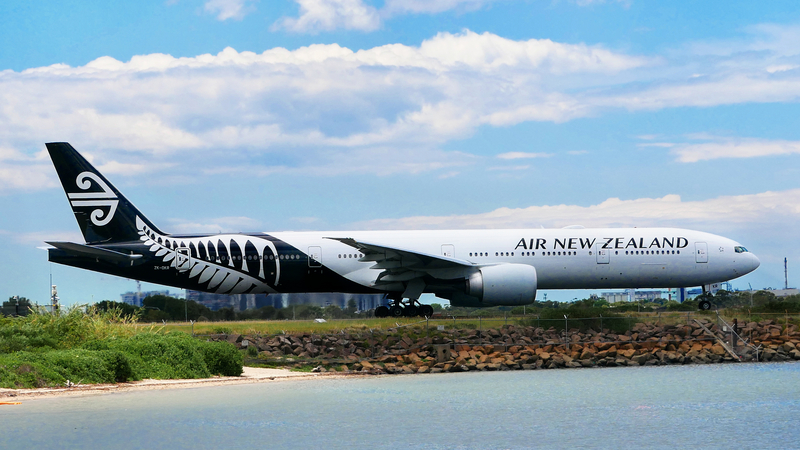
Tokyo Narita Adds A Distinctive Asia Link
The return of Tokyo Narita is significant for a different reason.
Japan remains one of the most important long-haul tourism and premium leisure markets in the region, and Narita gives Christchurch a direct foothold back into Northeast Asia. It also offers the South Island a route with strong destination value in both directions: Japanese travelers heading to New Zealand, and New Zealand travelers accessing Japan directly.
That makes the route more than a simple network filler. It is one of the airport’s most internationally meaningful additions.
Perth Is Shorter, But Still Important
The Perth route may be the shortest of the three, but it should not be underestimated.
Western Australia and New Zealand’s South Island have a mix of business, VFR, and leisure demand that gives the route a different profile from the Asia services. It is also the sort of market that can support a widebody if the airline believes the schedule and the onward connectivity work in the right way.
For Christchurch, Perth matters because it broadens Australia access without depending only on the eastern seaboard.
The 787-9 Is The Right Aircraft For All Three
Air New Zealand is using the Boeing 787-9 for all three routes, and that makes sense.
The 787-9 gives the airline the range and economics to make these markets viable while also offering a long-haul product strong enough for premium demand. It is the ideal aircraft for rebuilding a secondary long-haul base because it can handle thin but important routes without the weight of a larger widebody.
That is a big reason these routes are back now and not earlier.
This Is Also A Fleet-Availability Story
One reason Air New Zealand can finally do this is that more of its 787 fleet is returning to service.
That matters because the airline has spent a long period constrained by widebody availability. Restoring long-haul flying from Christchurch was much harder to justify while the long-haul fleet was still under pressure. Now that more aircraft are returning, the airline can begin growing again — and Christchurch is one of the clearest beneficiaries.
This is therefore not only a network decision. It is also a fleet-recovery decision.
The MOU With Christchurch Matters Too
Air New Zealand has also signed a memorandum of understanding with Christchurch Airport around longer-term development.
That matters because it frames the three route launches as part of a broader strategic partnership rather than one isolated schedule move. It suggests the airline and airport both want this to be the beginning of something larger, not just a short-term seasonal experiment.
That is worth paying attention to, because long-haul relevance often grows from exactly these kinds of coordinated airport-airline relationships.
Bottom Line
Air New Zealand’s decision to restart long-haul flights from Christchurch to Singapore, Tokyo Narita, and Perth is one of the most important South Island aviation developments in years. The routes restore long-haul depth to Christchurch, make the airport more internationally relevant again, and show that Air New Zealand is finally in a position to grow where it had previously been constrained.
This is not just three routes returning. It is Christchurch getting a real long-haul future back.