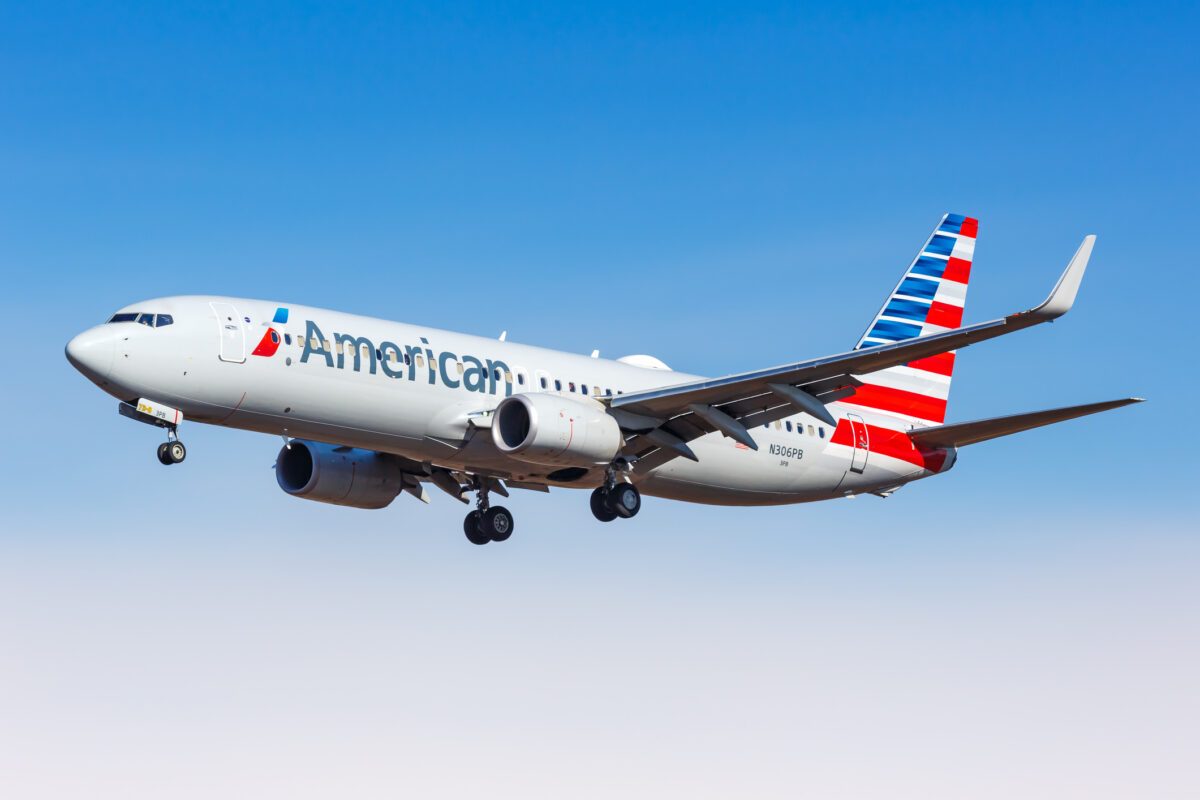
American Airlines offered passengers $3,500 each to surrender their seats on an oversold flight from Philadelphia to Nashville on Saturday, September 19, as Philadelphia Eagles supporters traveled to Tennessee for the team’s first away game of the season.

NBC Sports Philadelphia reporter John Clark, who was traveling to Nashville, documented the offer and the heavily green-clad cabin in an onboard video posted Saturday. Clark said American was seeking passengers willing to switch flights. After arrival, the crew played the Eagles’ fight song over the cabin speakers.
The $3,500 figure was a voluntary offer rather than statutory denied-boarding compensation. Airlines can raise such bids until enough passengers agree to travel later, and federal regulations do not impose a ceiling on what a carrier may offer.
Read our stories in your inbox
Two aviation newsletters. Zero fluff.
Football Traffic Tightens the Philadelphia-Nashville Market
The travel surge preceded the Eagles’ game against the Tennessee Titans at Nissan Stadium on Sunday, September 20. The Eagles’ published schedule listed the Week 2 game for 1 p.m., making Saturday the last practical day for most supporters flying from Philadelphia (PHL) to Nashville (BNA).
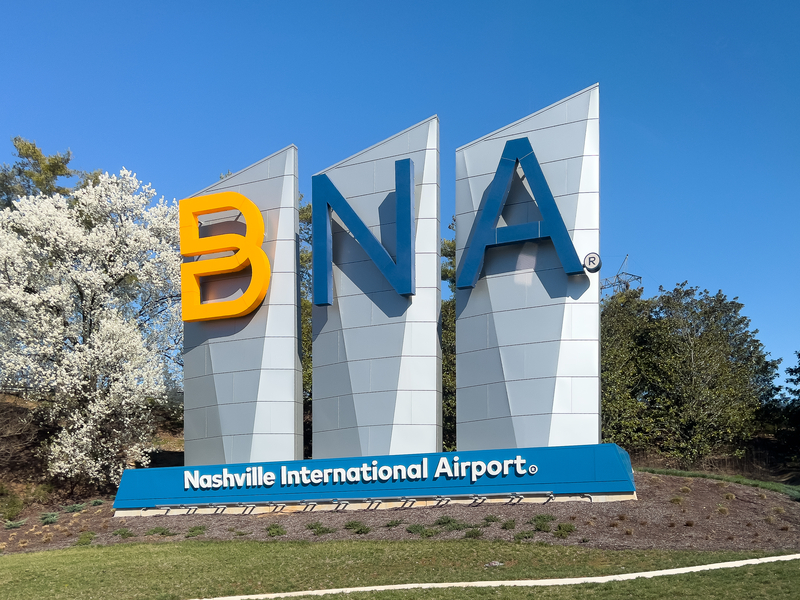
American sells nonstop travel between PHL and BNA, linking one of its principal hubs with a market that routinely experiences sharp demand around major sporting events and weekends. Unlike demand on a typical business route, football traffic is concentrated around a fixed kickoff. A seat arriving after the game has little value to a supporter holding a ticket, reducing the number of travelers willing to accept routine compensation or a substantially later itinerary.
That helps explain why the bid reached $3,500. Gate agents generally begin with a lower offer and increase it when too few passengers volunteer. On an event-driven flight, the airline may have to move well beyond the value of the original ticket before it finds customers whose plans are flexible enough to change.
The offer should not be read as the price of a seat on the flight. It was the amount American was prepared to exchange for the operational flexibility created by removing one confirmed passenger from the departure. That flexibility could prevent an involuntary denied boarding, preserve seating for customers with fewer reaccommodation options and allow the aircraft to leave without a prolonged gate dispute.
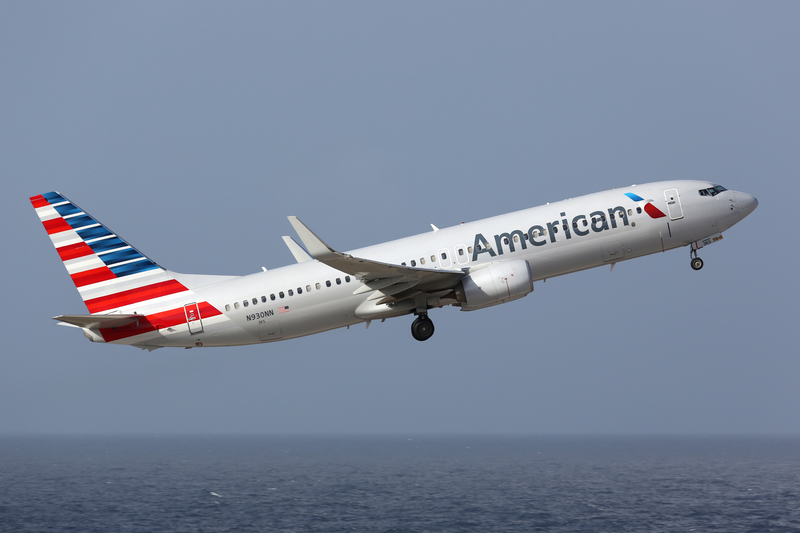
American Sets Voluntary Payments at Its Discretion
American’s Conditions of Carriage, updated August 13, state that the airline will first ask for volunteers when a flight has more checked-in passengers than available seats. The form and amount of compensation offered to those volunteers are determined by American.
The carrier’s customer service plan describes overbooking as a revenue-management tool intended to account for passengers who reserve seats but do not ultimately travel. Most oversold departures accommodate everyone because of no-shows, missed connections and last-minute changes. A problem arises when more confirmed passengers report for departure than the aircraft can carry.
American says volunteers receive compensation and a confirmed seat on a later flight. If the airline cannot attract enough volunteers, it can deny boarding involuntarily according to its boarding priorities. Those priorities consider factors including special-assistance needs, unaccompanied minors, AAdvantage status, cabin purchased and check-in time.
The Saturday offer therefore represented the market-based stage of the process: American was still asking passengers to make their own decision rather than selecting customers to leave behind.
The $3,500 Bid Exceeded the Standard Federal Formula
For domestic passengers involuntarily denied boarding, compensation is normally calculated from the one-way fare and the delay in reaching the destination. Current Department of Transportation guidance sets the standard payment at 200% of the one-way fare, subject to a $1,075 liability limit, when alternative transportation is expected to arrive one to two hours late. For delays exceeding two hours, the formula rises to 400% of the fare, with a $2,150 liability limit.
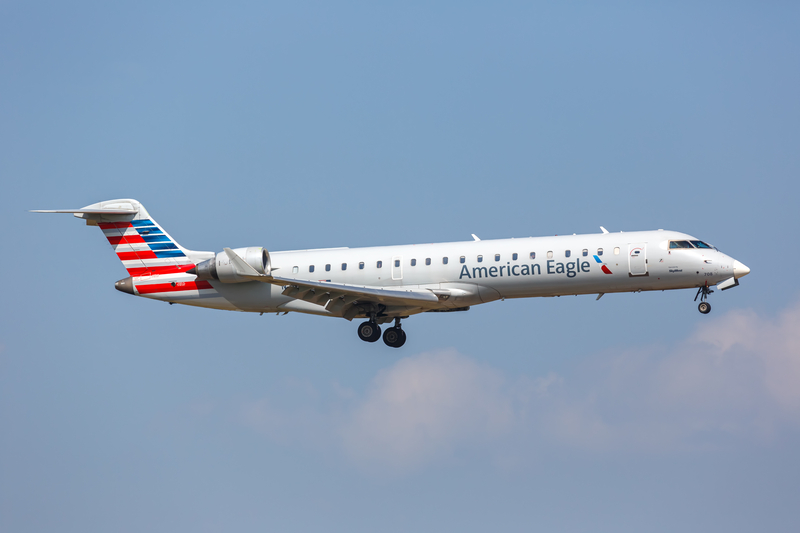
Those figures are not caps on voluntary offers. They establish the regulated framework for eligible passengers whom an airline requires to give up their seats. A volunteer can agree to a different amount and form of compensation, provided the airline discloses the material terms before the passenger accepts.
The DOT has also clarified that airlines may pay more than the listed liability amounts, even in an involuntary case. The distinction matters because the $3,500 offer was not evidence that American had breached an oversales rule or become liable for that amount. It was a bid intended to secure consent and avoid reaching the involuntary stage.
American issues several forms of travel credit, each with its own validity and redemption conditions. Its published credit guidance distinguishes Trip Credits, Flight Credits and travel vouchers, including differences over who may use them and how long they remain valid. Passengers accepting a large voluntary offer need to understand the instrument being provided, not only its face value.
A High Price for a Time-Sensitive Seat
The episode illustrates why special-event flights can behave differently from an ordinary Saturday departure. The passengers most eager to travel are also the least likely to volunteer, while alternative flights may be full for the same reason. Driving from Philadelphia to Nashville requires most of a day, and an itinerary arriving on Sunday carries the risk of missing kickoff.
For American, progressively raising the offer gave the gate team a controlled way to find passengers with different priorities. A traveler visiting Nashville for several days might accept a later departure. An Eagles supporter traveling solely for the game would place a far higher value on the original seat.
That gap between individual valuations is what voluntary bidding is designed to exploit. On this occasion, filling the final gap required an offer more commonly associated with the price of several domestic tickets than with changing a single short-haul flight.
Bottom Line
The $3,500 offer shows how quickly normal revenue-management assumptions can break down when nearly every passenger is traveling for the same immovable event. Historical no-show models are less useful on a flight full of supporters who have game tickets, hotel reservations and a strong incentive to arrive on schedule. Once the usual pool of flexible travelers disappears, the price of finding a volunteer rises sharply.
American benefits if an expensive voluntary settlement prevents an involuntary bump, a delayed departure or a customer-service problem that follows the passenger beyond the gate. The face value may appear high, but it buys certainty at a point where the airline has few other levers available. For passengers, the important question is whether the offer comes as cash, a broadly usable Trip Credit or a more restrictive instrument, and whether the replacement itinerary still serves the purpose of the trip.
The event also underlines the operational value of identifying exceptional demand before departure day. Airlines can add capacity, upgauge an aircraft or adjust inventory when the schedule and fleet permit, but a one-off sports surge does not always justify disturbing the wider network. When those options are unavailable, the gate auction becomes the final and most visible form of capacity management.
Keep reading FlyMag
Get the Daily Brief in the morning or the Route Watch weekly recap on Fridays. Or both.