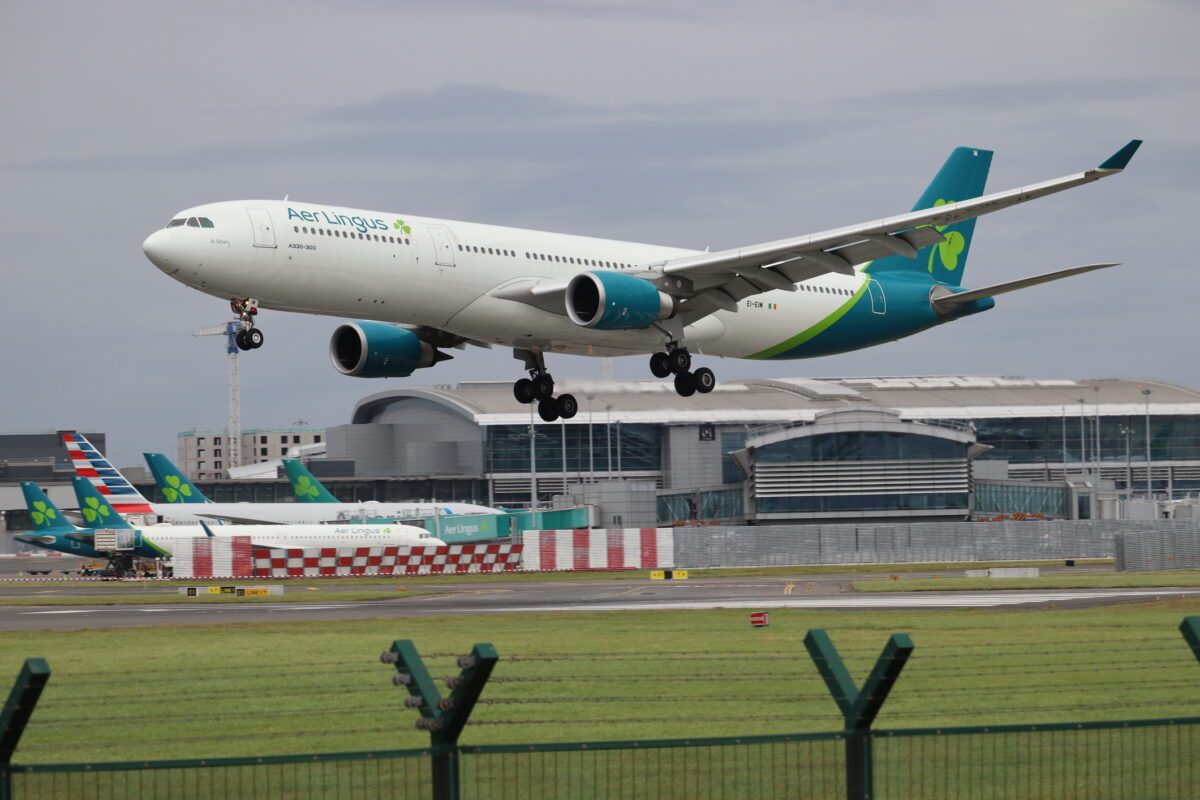
Aer Lingus operated an Airbus A330-300 between Dublin and Brussels on Wednesday, September 9, replacing the narrowbody equipment normally associated with the short intra-European route.

The aircraft, EI-EDY, flew from Dublin (DUB) to Brussels (BRU) as EI630 before returning as EI631. Flight tracking records for the aircraft identify it as an Airbus A330-302 and show both sectors in its operating history.
EI630 left DUB at 7:29 a.m. local time, 39 minutes behind schedule, and reached BRU at 9:48 a.m., eight minutes after its scheduled arrival. The A330 remained on the ground in Brussels for one hour and 51 minutes.
Read our stories in your inbox
Two aviation newsletters. Zero fluff.
The return flight departed at 11:39 a.m. local time and landed in Dublin at 11:50 a.m. Irish time. EI631 spent one hour and 11 minutes airborne, arriving 10 minutes behind schedule despite leaving Brussels 49 minutes late.
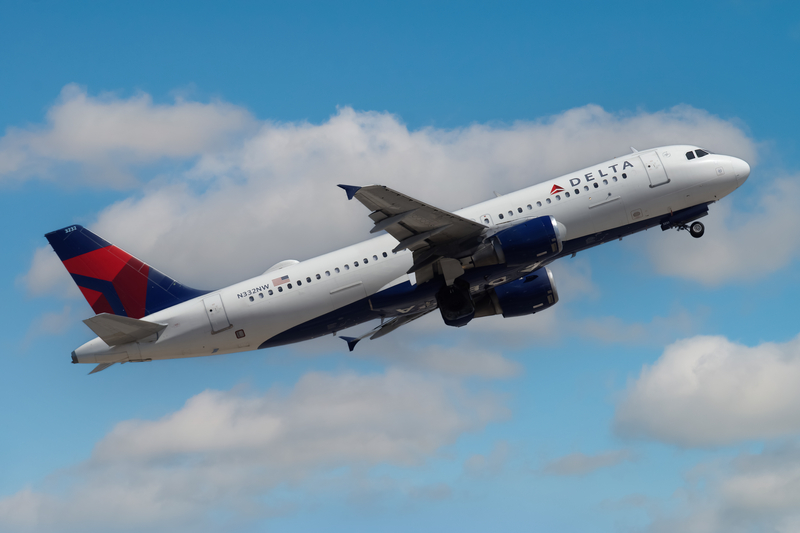
Widebody Replaced the Usual A320 Capacity
Aer Lingus ordinarily uses Airbus A320-family aircraft on the Dublin–Brussels market. Its standard A320 accommodates 174 passengers, a capacity the airline confirmed when describing the type in an earlier short-haul schedule announcement.
The equipment listing for the September 9 operation showed 315 seats on the A330-300, comprising 30 business-class and 285 economy seats. That placed roughly 80% more seats on the morning rotation than a 174-seat A320 could provide, although installed capacity does not establish how many seats Aer Lingus made available or sold for the flight.
The change also gave the route a different physical product. Aer Lingus’ published fleet seat maps show two-class A330-300 cabins with a 2-4-2 economy layout and a separate long-haul business cabin. The airline says its A330-300 business seats convert into fully flat beds, while economy seats have a 31-inch pitch.
The A330-300 is Aer Lingus’ largest aircraft and is used predominantly on its transatlantic network. The airline has also used the type for high-volume charters and occasional European flying, where its capacity can cover demand peaks or satisfy a broader fleet requirement without adding another frequency.
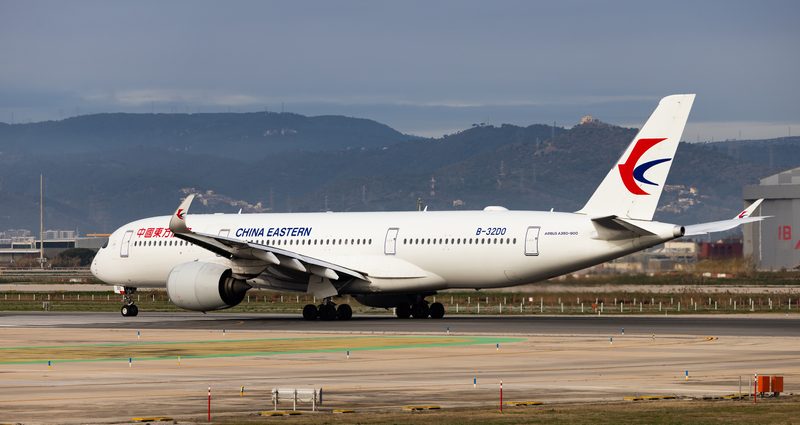
A Considerably Larger Airframe for BRU
The substitution changed more than the number of seats. According to Airbus specifications, the A330-300 is 208 feet 10 inches long and has a wingspan of 197 feet 10 inches. An A320 is approximately 123 feet long with a wingspan of about 117 feet when fitted with Sharklets.
That moves the flight from a Code C narrowbody to a Code E widebody from the airport’s perspective, requiring a compatible stand and different handling plan. Brussels regularly processes A330s and other long-haul aircraft, but the Aer Lingus arrival represented an uncommon use of that infrastructure for the Dublin service.
The twin-aisle aircraft is designed for missions far longer than the approximately 90-minute sector between the two capitals. Airbus gives the A330-300 a range of up to 6,350 nautical miles and describes it as a medium- to extended-range widebody. Aer Lingus has configured the type around North Atlantic operations rather than short-haul utilization.
Even so, the airline’s own training material notes that its long-haul aircraft may occasionally operate short-haul routes. Such assignments can add capacity while positioning an aircraft for its next duty, provided the widebody can be accommodated within the available ground time and crew plan.
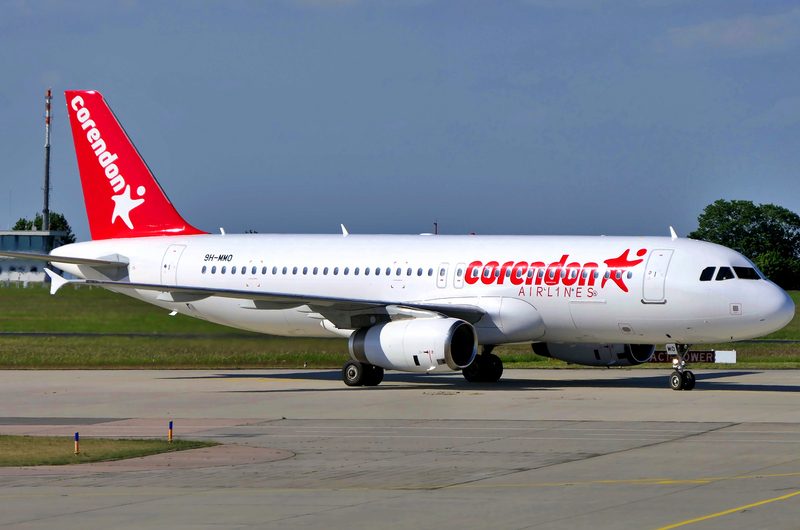
EI-EDY Returned to Transatlantic Flying
The Brussels trip sat between long-haul rotations in EI-EDY’s schedule. The aircraft had arrived in Dublin from Boston (BOS) as EI132 at 4:02 a.m. local time on September 9, giving Aer Lingus just over three hours before its departure for Brussels.
After returning from BRU, EI-EDY resumed transatlantic service as EI133 to Boston. It left Dublin at 2:17 p.m., two hours and 27 minutes after EI631 arrived, and landed in Boston at 3:32 p.m. local time.
The sequence meant the A330 completed two European sectors during the daytime interval between an inbound and outbound Boston flight. It accumulated another two hours and 29 minutes of flying before beginning the westbound Atlantic crossing.
The operation did not alter the underlying Dublin–Brussels schedule. Aer Lingus continues to sell regular nonstop service between DUB and BRU, with the A320 remaining the core aircraft for the route.
Bottom Line
The Brussels rotation illustrates the flexibility available when a network carrier has a widebody on the ground between long-haul assignments. Aer Lingus gained a productive European round trip from EI-EDY before sending it back across the Atlantic, while the route received substantially more installed capacity than its normal A320 operation.
For passengers, the substitution offered a rare opportunity to encounter Aer Lingus’ long-haul cabin on a short European sector. For the airline and airport, it required widebody handling, a Code E stand and a schedule robust enough to return the aircraft to Dublin ahead of its next Boston departure. The delayed EI133 departure also shows how little margin can remain when another rotation is inserted into a long-haul aircraft’s ground window.
The flight should not be read as evidence of a permanent gauge change for Brussels. It does, however, show that Aer Lingus can deploy the A330 tactically within Europe when capacity or aircraft utilization warrants it. Further appearances will depend on whether similar gaps emerge in the carrier’s transatlantic program and whether short-haul demand is strong enough to make use of the extra seats.