United Airlines and JetBlue have begun rolling out the next tangible feature of their “Blue Sky” collaboration: cross-platform booking. Starting this week, customers searching on United.com or the United app can see and purchase select JetBlue-operated flights, and customers shopping on JetBlue.com or the JetBlue app can buy eligible United-operated flights—using cash or loyalty currency (MileagePlus miles or TrueBlue points, depending on which channel you book through).

For travelers, this looks like a simple upgrade to flight shopping. For airline commercial teams, it’s a meaningful systems milestone: cross-selling two carriers’ inventories across separate digital storefronts, with loyalty redemption integrated, is the kind of work that usually takes months of behind-the-scenes plumbing.
What “cross-platform booking” actually means right now
The key point: this is not yet a single-ticket, mixed-carrier connecting itinerary product.
Read our stories in your inbox
Two aviation newsletters. Zero fluff.
Today’s rollout is best understood as two airlines selling each other’s eligible flights directly in their own channels. You’ll see more options populate in search results—especially in markets where one carrier has strength and the other is thin or absent.
-
On United channels, you can book eligible JetBlue flights and redeem MileagePlus miles for qualifying JetBlue itineraries.
-
On JetBlue channels, you can book eligible United flights and redeem TrueBlue points for qualifying United itineraries (including United Express segments where offered).
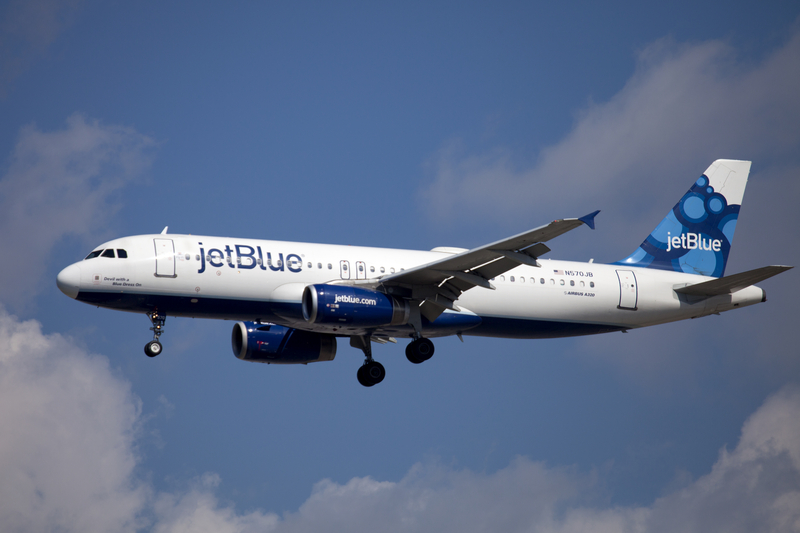
The airlines have been clear that the ability to book a single itinerary that includes both JetBlue and United flights (i.e., true “mix and match” connections) is expected later.
That distinction matters operationally. Cross-selling is a revenue and loyalty play. True “single-itinerary” interlining introduces a deeper layer of complexity: baggage transfers, connection protection, reaccommodation rules during IRROPS, and passenger service system handoffs that have to be nailed down before the product can be scaled without customer pain.
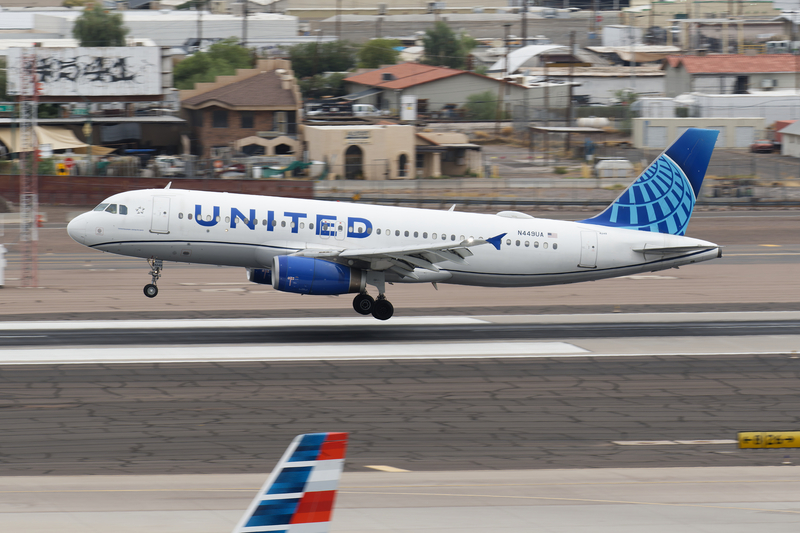
Where this can move the needle: network complementarity and the New York factor
On paper, this partnership is built around complementary strengths—particularly in the Northeast corridor.
JetBlue’s core network is anchored at New York–JFK (JFK) and Boston Logan (BOS), with major leisure depth in places like Fort Lauderdale (FLL), Orlando (MCO), and San Juan (SJU), plus a growing transatlantic presence.
United’s New York presence is concentrated at Newark Liberty (EWR), alongside its broader hub system—Chicago O’Hare (ORD), Denver (DEN), Houston Intercontinental (IAH), Los Angeles (LAX), San Francisco (SFO), and Washington Dulles (IAD)—feeding a global long-haul footprint.
Put those together and you get a real commercial story: United customers gain simpler access to JetBlue’s stronghold markets, while JetBlue customers see more reach into United’s domestic and international network (and its connection banks at major hubs). Even before true mixed itineraries arrive, simply being able to shop and redeem across both ecosystems from one website/app can change how frequent flyers behave.
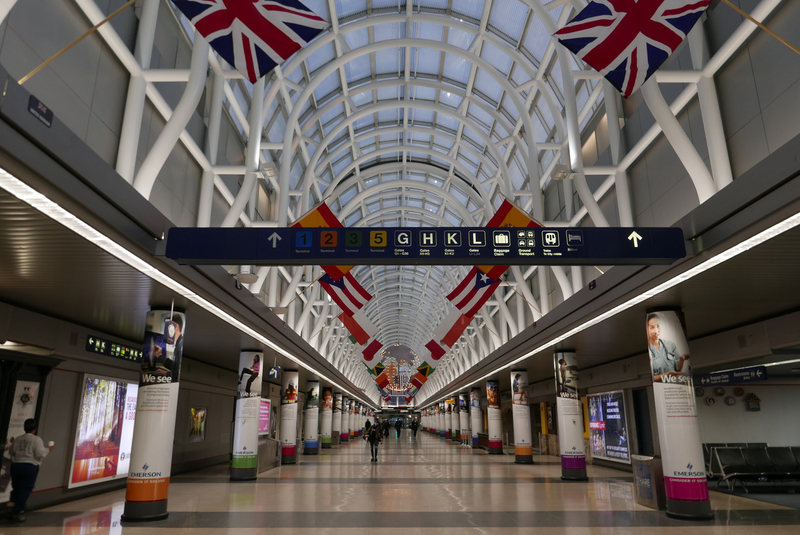
Loyalty integration: the currency rules are straightforward, but inventory won’t be universal
The loyalty pitch is central to “Blue Sky”: more places to earn and burn, without forcing customers to change booking habits.
However, industry readers should note a predictable caveat: eligibility is capacity-controlled and not all routes will necessarily display. In practice, that means:
-
Redemption availability will behave like any other award inventory: strong in some markets, constrained in peak periods, and limited on high-demand flights.
-
Certain JetBlue flights may not be offered through United channels (and vice versa), depending on how each airline has chosen to expose inventory.
The upside is still meaningful: it’s a real step toward making TrueBlue and MileagePlus more “useful” beyond their home networks—especially for customers who frequently travel through JFK (JFK), BOS (BOS), or EWR (EWR).
More changes are queued: reciprocal perks, Paisly expansion, and a JFK runway into 2027
Cross-platform booking is the headline this week, but the roadmap is the bigger story. The airlines have pointed to several follow-on elements:
-
Reciprocal benefits later this spring, including priority boarding, access to preferred and extra-legroom seating, and same-day changes/standby.
-
Expanded vacation packaging: United flights becoming more available through JetBlue’s vacation platform (with additional packaged components expected to grow over time).
-
A major commercial infrastructure move later in 2026: United’s MileagePlus Travel is expected to transition to JetBlue/Paisly-powered capabilities, widening what MileagePlus members can book beyond flights.
And then there’s the long-dated—but strategically loaded—New York piece: United’s planned growth at JFK (JFK). The partnership framework includes JetBlue providing United access to up to seven daily roundtrips at JFK’s new Terminal 6 as early as 2027. That’s not a minor footnote. In the New York metro area, meaningful scale at JFK (JFK) changes competitive posture—especially for corporate accounts that still treat JFK as a primary gateway.
Why airlines care: this is commercial engineering, not just a customer feature
The reason this rollout matters is that it’s “hard work” functionality. Integrating shopping, payment, and redemption across two platforms—while keeping brand control and economics intact—is the kind of step that tends to precede deeper commercial benefits.
It also creates an early indicator for what comes next. If cross-selling materially lifts conversion and loyalty engagement without spiking customer service friction, it strengthens the case for the more complex phase: true single-itinerary bookings with JetBlue + United segments on one ticket.
Bottom Line
United and JetBlue’s “Blue Sky” collaboration is now visible where customers actually feel it: the booking path. Starting this week, travelers can purchase eligible JetBlue or United flights directly on either airline’s website or app, paying with cash or redeeming TrueBlue points (on JetBlue channels) or MileagePlus miles (on United channels). The bigger capability—booking a single connecting itinerary that mixes JetBlue and United flights—is still to come, along with reciprocal benefits later this spring and longer-range plans that include United expansion at New York–JFK (JFK) via Terminal 6. For now, the milestone is clear: the airlines have moved “Blue Sky” from a loyalty headline to a live commercial platform.
Keep reading FlyMag
Get the Daily Brief in the morning or the Route Watch weekly recap on Fridays. Or both.