JetBlue appears to be making one of its clearest long-term bets yet on Fort Lauderdale-Hollywood International Airport (FLL) by opening a new Airbus A220 pilot base there from January 1, 2027.

If that timing holds, the move will be much more important than a routine crew-planning adjustment. Pilot bases are infrastructure decisions. They tell you where an airline expects aircraft, flying hours, and strategic relevance to concentrate over time. In JetBlue’s case, the answer increasingly looks like South Florida.
For aviation readers, that is the real story. This is not just about one fleet type. It is about Fort Lauderdale moving closer to true hub status inside JetBlue’s network.
Read our stories in your inbox
Two aviation newsletters. Zero fluff.
A Pilot Base Is A Bigger Signal Than A Route Launch
Airlines add and drop routes all the time. Bases are different.
A new pilot base means the airline is committing to a city operationally, not just commercially. It affects staffing, aircraft scheduling, reserve planning, maintenance coordination, and long-term network design. That makes this reported Fort Lauderdale A220 base one of the strongest indicators yet that JetBlue expects to keep growing there for years, not just seasonally or opportunistically.

That matters because South Florida has become one of the most strategically valuable parts of JetBlue’s system.
Fort Lauderdale Is Growing Fast For A Reason
The timing of the move is not accidental.
JetBlue has been expanding aggressively at Fort Lauderdale even before Spirit’s collapse, but Spirit’s disappearance created an even bigger opening. Gates, local demand, and pricing opportunity all shifted at once. For JetBlue, which already had a large presence at FLL, this created one of the few obvious places in the U.S. market where meaningful organic growth could happen quickly.
That is why Fort Lauderdale now looks different from many of the airline’s other large stations. It is not just a place where JetBlue happens to operate a lot of flights. It is becoming a place where the airline is building depth.
The A220 Is The Right Aircraft For Fort Lauderdale
This is where the fleet piece becomes especially important.
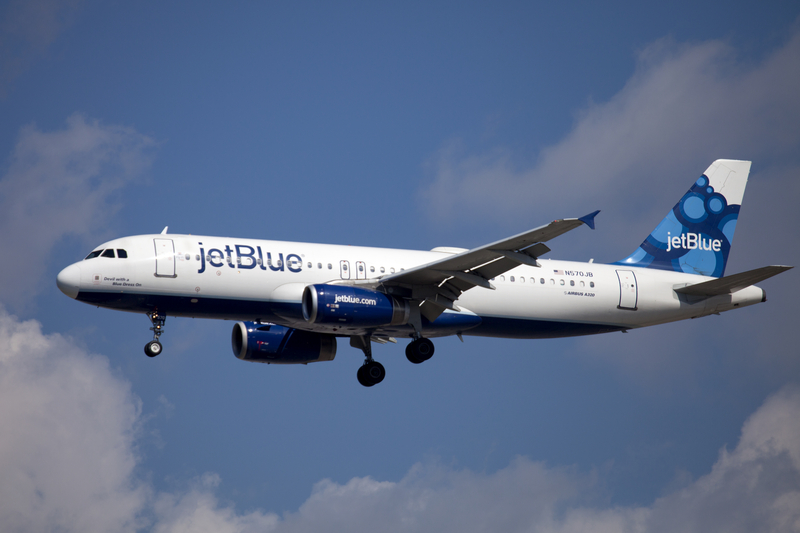
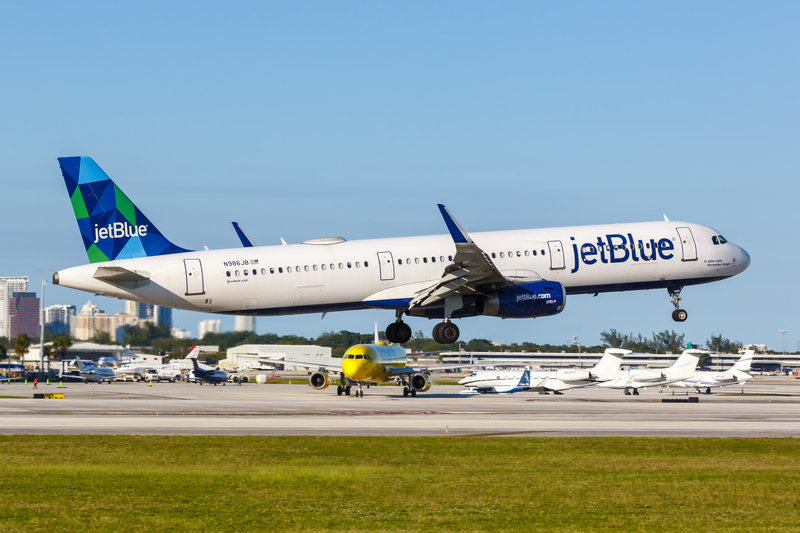
JetBlue already operates the Airbus A220 heavily from Fort Lauderdale, and the aircraft fits the airport’s route structure extremely well. FLL is full of “middle market” flying — routes that are too large for regional aircraft but not always strong enough to justify the bigger-seat-count economics of an A321 every day of the year.
The A220 is ideal for that kind of work. It gives JetBlue:
- lower trip costs than older narrowbodies
- better fuel efficiency
- a strong onboard product
- enough range and flexibility for Northeast, Caribbean, Florida, and medium-haul domestic flying
That makes it one of the most valuable aircraft in JetBlue’s current fleet strategy, especially in South Florida.
Fort Lauderdale Is Already A Major A220 Platform
The scale of the A220 operation at FLL is already substantial.
JetBlue uses the aircraft on a broad set of routes from Fort Lauderdale, covering the Northeast, Florida, the Caribbean, and medium-haul domestic markets. That matters because a pilot base is easier to justify when the aircraft is already deeply embedded in the local schedule. The base is not creating an A220 operation from nothing. It is formalizing one that already exists at meaningful scale.
That is why this feels like the next logical step rather than a surprise.
This Also Fits JetBlue’s Wider Premium Strategy
The A220 base is part of a bigger Fort Lauderdale buildout, not an isolated fleet move.
JetBlue has already been increasing service at FLL, opening new routes, boosting existing ones, and establishing other crew-related infrastructure there. The airline has also been making broader premium moves elsewhere in the system, and Fort Lauderdale increasingly looks like one of the airports where JetBlue thinks it can combine scale, product, and pricing power more effectively than in some of its weaker markets.
In other words, FLL is not just growing. It is becoming more central to JetBlue’s future identity.
Growth Here Is Being Funded By Cuts Elsewhere
One reason this base matters so much is that JetBlue does not have unlimited aircraft.
The airline has already made clear in other parts of its network that some markets are being reduced or eliminated so capacity can be shifted into stronger opportunities. Fort Lauderdale is one of the clearest beneficiaries of that reallocation. That means the A220 base is not just growth for growth’s sake. It is the result of JetBlue deciding this is where some of its most valuable aircraft time should go.
That makes the decision more serious, not less.
Bottom Line
A new Airbus A220 pilot base at Fort Lauderdale from January 2027 would be one of the clearest operational signs yet that JetBlue sees South Florida as a long-term growth center, not just another large station. The A220 already fits Fort Lauderdale’s route profile unusually well, and a pilot base would lock that relationship in much more deeply.
For JetBlue, this is not just a crew move. It is a map move. It says Fort Lauderdale is becoming one of the places where the airline most clearly sees its future.
Keep reading FlyMag
Get the Daily Brief in the morning or the Route Watch weekly recap on Fridays. Or both.