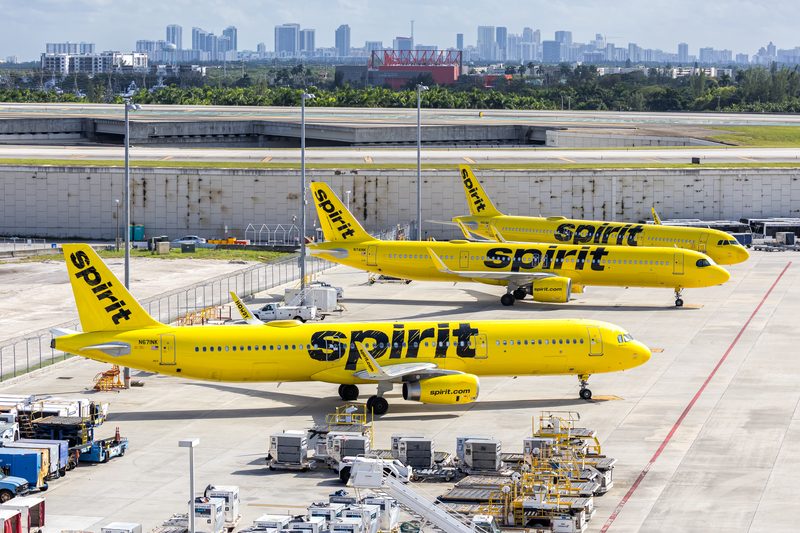
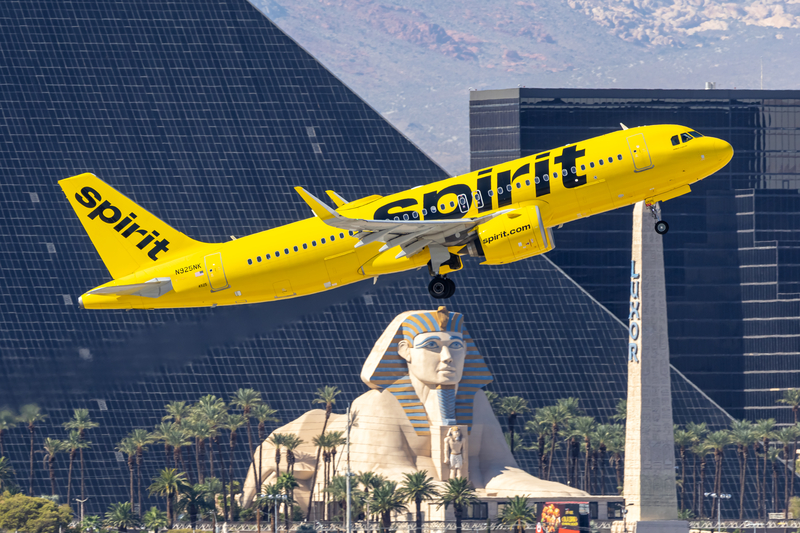
Spirit Airlines’ shutdown has done more than strand passengers and end one of the most disruptive low-fare stories in modern U.S. aviation. It has also triggered an unusually fast response from rival airlines, many of which are now offering capped fares, emergency replacement pricing, or other accommodation for Spirit customers trying to salvage their travel plans.
That matters because Spirit was not just another airline in the market. It was one of the country’s most aggressive fare setters. When a carrier like that disappears overnight, the immediate concern is not only cancelled tickets. It is whether replacement travel suddenly becomes unaffordable.
So far, the industry response suggests airlines understand the visibility of that risk.
Read our stories in your inbox
Two aviation newsletters. Zero fluff.
United Has Rolled Out The Clearest Nationwide Rescue Fare Structure
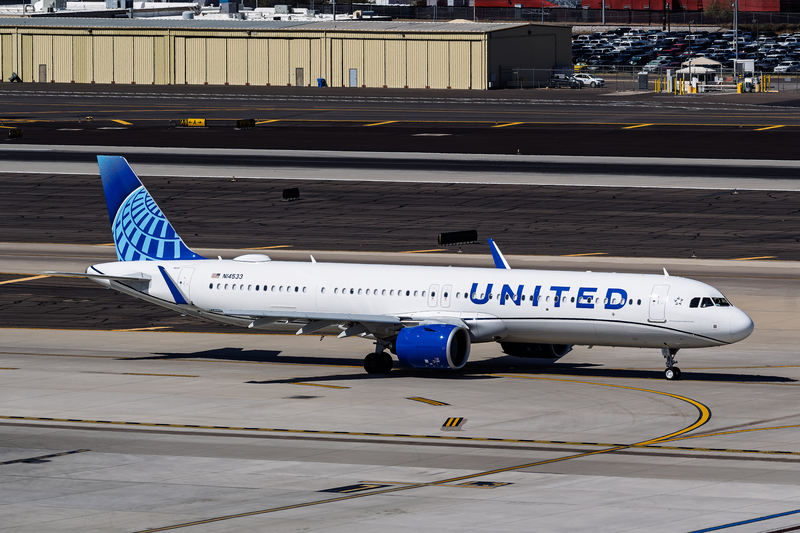
United Airlines appears to have put forward one of the most straightforward rescue-fare programs.
The airline is offering fixed one-way replacement fares, with lower pricing on most domestic routes and a higher ceiling on longer journeys. That kind of structure makes United one of the easier options for displaced Spirit travelers to understand quickly, especially those who simply need to get from point A to point B without waiting for the market to stabilize.
For passengers in urgent need of a replacement booking, clarity matters almost as much as price.

JetBlue Is Competing Hardest On Headline Price
JetBlue appears to be offering the lowest widely publicized rescue fare.
That is significant because JetBlue and Spirit have long overlapped in many of the same leisure-heavy and Florida-centered markets, where stranded customers are most likely to be shopping urgently for alternatives. The airline is also using the moment to strengthen its own market position, particularly in places where Spirit’s exit leaves immediate gaps.
For price-sensitive travelers, JetBlue may be the most appealing first stop.
Southwest Is Taking A Different Approach
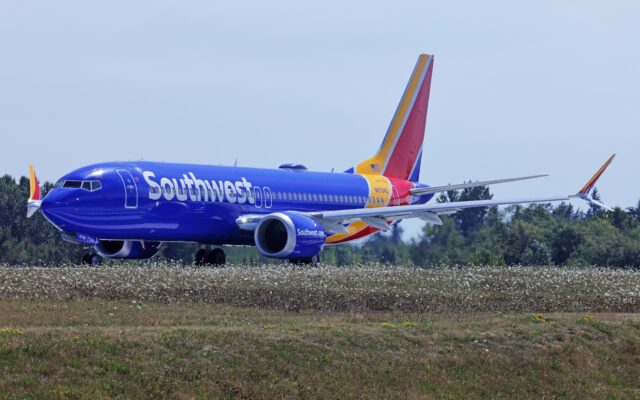
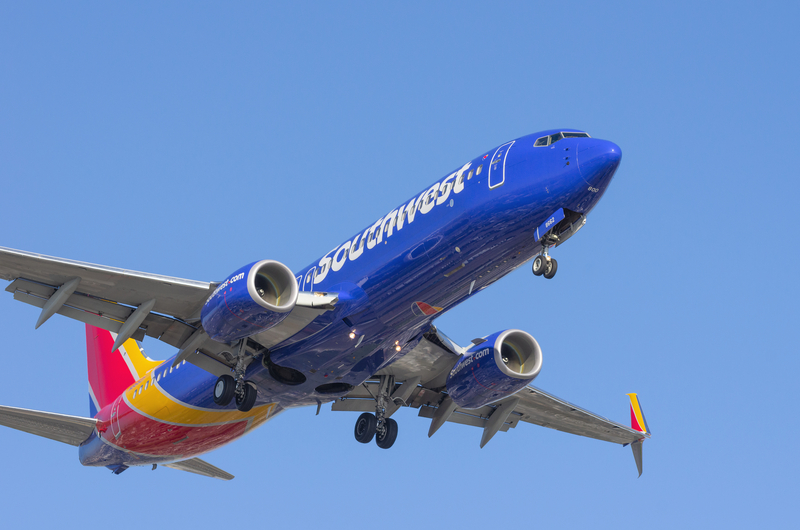
Southwest Airlines is also helping affected Spirit customers, but its structure is more tiered.
Instead of one national flat rescue price, Southwest is using distance-based fare levels. That fits its broader commercial style: simple enough to communicate, but still flexible enough to reflect the route being flown. It also gives Southwest a way to respond quickly without fully discarding its own internal pricing discipline.
The airline has also been using the moment to attract former Spirit flyers more broadly, not just as one-time passengers, but as potential future loyalty customers.
American And Delta Are Using Price Caps Instead Of Splashy Rescue Branding
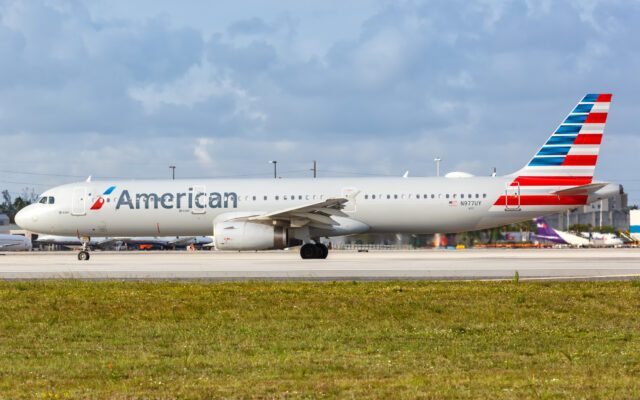
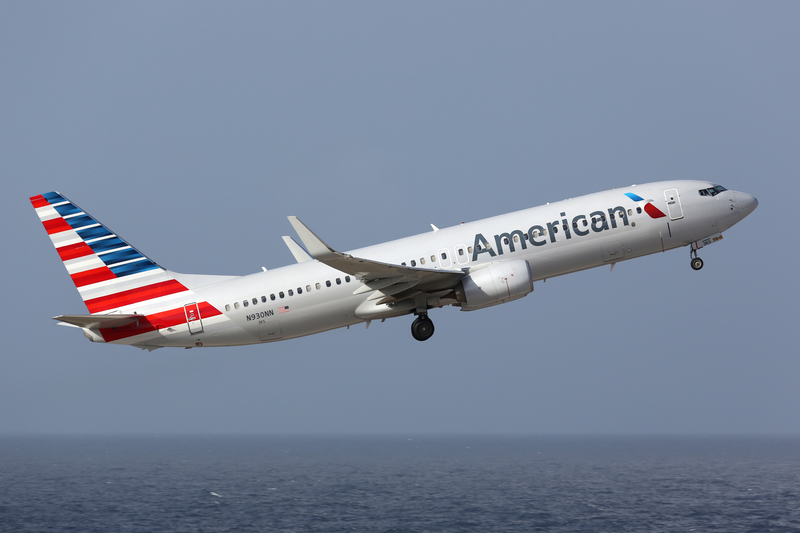
American Airlines and Delta Air Lines have both responded more quietly, but their moves may still matter just as much.
Rather than leaning heavily into highly branded rescue-fare headlines, both carriers have been reported to be capping prices on routes where they directly overlap with Spirit. That means affected travelers may still find lower-than-expected replacement fares, especially in large competitive markets, even if the airlines are not marketing those options as dramatically as others.
This is a more subtle strategy, but it may prove effective in practice.
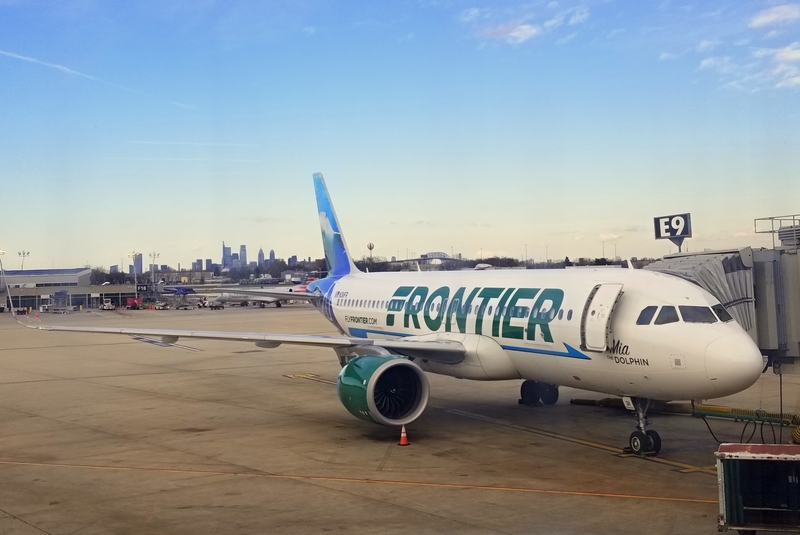
Frontier Has The Most To Gain From Spirit’s Disappearance
If one airline stands to benefit most structurally from Spirit’s collapse, it may be Frontier.
The two carriers have long occupied similar territory in the U.S. market, competing for highly price-sensitive travelers and relying on an ultra-low-cost model that puts fare stimulation at the center of the strategy. With Spirit gone, Frontier becomes the most obvious surviving airline for passengers who still want something close to that model.
That is why Frontier’s response matters even if its rescue offer is less neatly packaged than some rivals’. It is not only responding to a crisis. It is positioning itself to inherit part of Spirit’s old customer base.
The Industry Moved Quickly For A Reason
What stands out most is how fast these responses arrived.
That speed is a sign that Spirit’s collapse is not being treated as a minor market event. Airlines understand that a major ultra-low-cost shutdown can create immediate public frustration, especially if passengers suddenly face sharply higher fares after a carrier disappears. Rescue fares and price caps are therefore not just acts of goodwill. They are also a way to contain reputational risk and show that the market is not abandoning stranded travelers entirely.
In other words, the industry is stepping in because it knows people are watching.
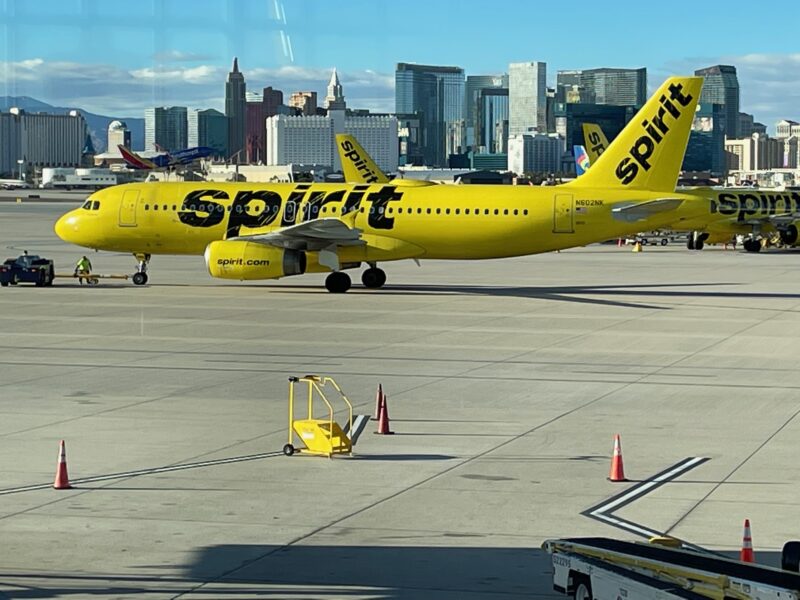
Spirit’s Bigger Legacy Was Fare Pressure
This is also a reminder of what Spirit actually did to the market.
The airline was not just a carrier for passengers willing to tolerate fewer frills. It was one of the strongest downward forces on U.S. airfare in many domestic and leisure markets. Even travelers who never flew Spirit often benefited from its presence, because competitors frequently adjusted fares when Spirit entered a route.
That is why the rescue-fare response is so telling. Other airlines are not only replacing capacity. They are also trying to manage the pricing vacuum that Spirit leaves behind.
Bottom Line
Right now, the main U.S. airlines publicly stepping in for stranded Spirit customers are United, JetBlue, Southwest, American, Delta, and Frontier.
United appears to have the clearest rescue-fare structure, JetBlue has pushed the most aggressive headline pricing, Southwest is using a distance-based system, American and Delta are capping fares on overlapping routes, and Frontier is positioning itself as the closest surviving substitute for Spirit’s old low-cost role.
For travelers, the lesson is simple: book quickly, compare across multiple carriers, and do not assume the first replacement fare you see is the best one. Spirit may be gone, but the scramble to pick up its passengers is already underway.
Keep reading FlyMag
Get the Daily Brief in the morning or the Route Watch weekly recap on Fridays. Or both.