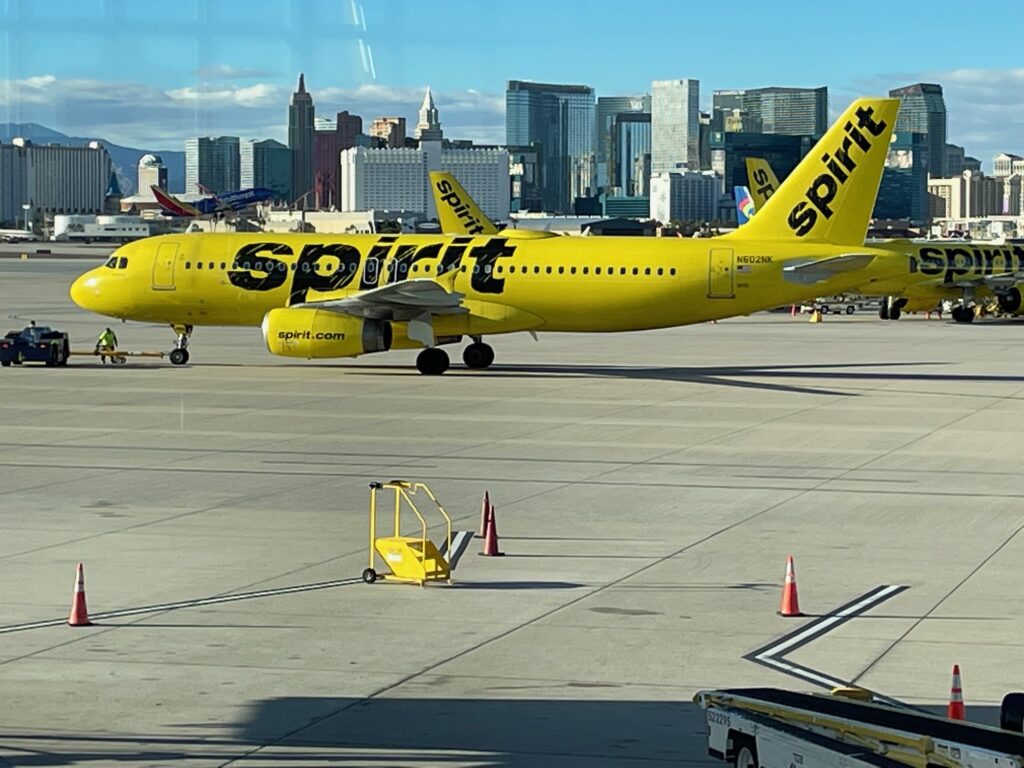
Spirit Airlines is not shutting down today, but its path out of bankruptcy has become materially more fragile.
After fresh reports revived talk of a possible liquidation, the more important aviation story is not rumor. It is math. Spirit’s latest Chapter 11 plan was built around a much lower fuel-cost environment than the one the airline is now facing, and that gap is wide enough that creditors are openly questioning whether the restructuring still works.
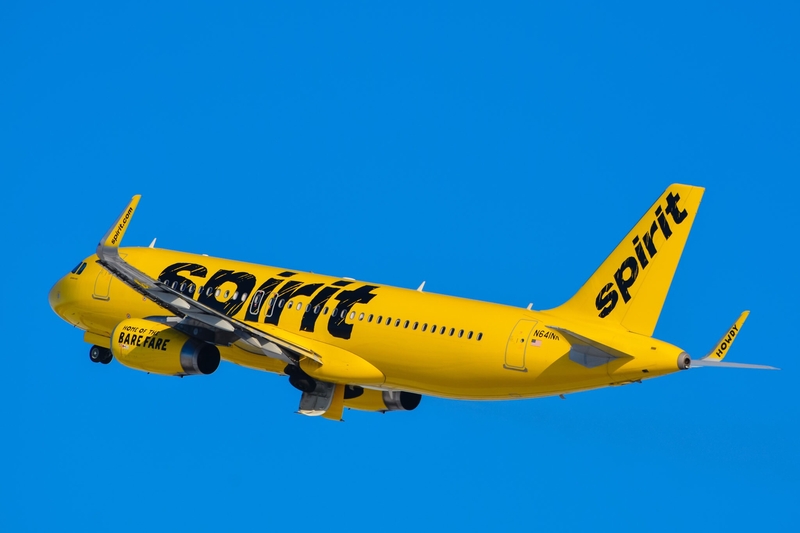
That is a serious change in tone for a carrier that only last month was still aiming to emerge from Chapter 11 by early summer. The airline’s plan envisioned a smaller, restructured Spirit focused on core markets such as Fort Lauderdale-Hollywood International Airport (FLL), Orlando International Airport (MCO), Detroit Metropolitan Wayne County Airport (DTW), and the New York area through Newark Liberty International Airport (EWR) and LaGuardia Airport (LGA). It also assumed a much leaner all-Airbus fleet of 76 to 80 aircraft by the third quarter of 2026, primarily Airbus A320 and A321ceo jets.
Read our stories in your inbox
Two aviation newsletters. Zero fluff.
The real pressure point is fuel
For an ultra-low-cost carrier, fuel is not just another cost line. It is the cost line that can wreck the plan.
Spirit’s restructuring assumptions were built around much lower 2026 fuel prices than the market is now delivering. That matters more at Spirit than it does at larger network airlines because Spirit has much less room to absorb cost spikes through premium-cabin revenue, corporate contracts, or loyalty-program economics. Even as the airline has been trying to push into a slightly more upsold product mix with Spirit First and Premium Economy-style seating, its business still depends heavily on price-sensitive leisure traffic.

That is a difficult place to be when fuel rises sharply. Higher fares can help, but only up to a point. Spirit does not have the same pricing flexibility as carriers that can fall back on a larger premium customer base. And in a domestic market that has already been weak on yields, that makes the airline unusually exposed to a sustained fuel shock.
Why this restructuring suddenly looks more delicate
That exposure becomes more serious because Spirit is already deep into a second restructuring cycle.
The airline emerged from its first Chapter 11 in March 2025, only to file again in August 2025 after the earlier fix proved insufficient. That history matters. Creditors are naturally less forgiving the second time around, especially when the airline is still trying to resize itself against a weak domestic pricing environment.
Spirit’s current plan is therefore not modest. It is a deep reset. At the time of its August 2025 filing, the airline had 214 aircraft. The latest restructuring blueprint cuts that down to 76 to 80 by the third quarter of 2026, with the post-bankruptcy airline centered on Airbus A320 and A321ceo narrowbodies and a smaller, more focused network.
From a fleet-planning standpoint, that is a dramatic shrink. It means Spirit is no longer trying to defend its old size. It is trying to survive as a tighter, lower-cost version of itself.
The creditor language is what makes this story serious
The reason liquidation is now being discussed again is not just that fuel is higher. It is that creditors are asking whether the entire plan still holds together if fuel stays high.
That is a more consequential question than it sounds. Restructuring plans can survive bad headlines. They struggle when lenders conclude the projections no longer reflect the real operating environment. And that is where Spirit appears to be now.
For airline professionals, the most telling issue is collateral. Once lenders begin pointing to rights over engines, spare parts, and other secured assets, the story stops being a simple liquidity squeeze and starts becoming an operational threat. Airlines can limp through a difficult quarter. They have a much harder time functioning if creditor protections start colliding with the physical assets needed to keep the fleet flying.
That is why this latest round of reporting matters. It suggests the risk around Spirit is no longer just theoretical. It is now tied directly to whether the airline can convince creditors that the revised numbers still justify a stand-alone future.
Liquidation is a risk, not a timetable
The key editorial correction to the original framing is this: liquidation risk is real, but that is not the same as an announced shutdown.
Spirit is still operating. It is still talking with creditors. And the situation remains fluid rather than fixed. That distinction matters because “could liquidate” and “will liquidate shortly” are not the same story.
Right now, the more accurate reading is that Spirit’s early-summer exit from Chapter 11 has come under real pressure. If fuel remains elevated and creditors do not get comfortable with revised assumptions, liquidation becomes more plausible. But the company is not at a declared end point yet.
That makes this less a story about a countdown clock and more a story about whether Spirit can buy enough time to rework the economics of its bankruptcy exit.
Bottom Line
Spirit’s problem is not simply that fuel is expensive. It is that the airline’s entire bankruptcy exit plan was built for a cheaper world than the one it is currently flying in.
The post-Chapter 11 vision was a much smaller Spirit built around Airbus A320 and A321ceo aircraft and a tighter focus on airports such as Fort Lauderdale (FLL), Orlando (MCO), Detroit (DTW), Newark (EWR), and LaGuardia (LGA). That plan may still be possible. But it is now being tested by a fuel spike severe enough to reopen the liquidation question.
For industry readers, that is the real takeaway. Spirit is not out of options yet, but its restructuring no longer looks like a straightforward path to emergence. It looks like a race to prove the plan still works before creditors decide it does not.
Keep reading FlyMag
Get the Daily Brief in the morning or the Route Watch weekly recap on Fridays. Or both.