Papa Johns has launched a promotion that turns stranded Spirit Airlines loyalty members into pizza customers, offering a free large one-topping pizza to a limited number of former Free Spirit members after Spirit’s collapse left their points effectively frozen.
The campaign, called “Skies to Pies,” opened on May 8, 2026 and is limited to the first 250 verified participants.
For aviation readers, the story is not really about pizza. It is about loyalty-program fragility. Spirit’s shutdown has become a vivid example of what happens when a standalone airline loyalty currency loses its airline overnight. In that context, Papa Johns’ offer is less a gimmick than a sharp public reminder that loyalty points only have value for as long as the ecosystem behind them survives.
Read our stories in your inbox
Two aviation newsletters. Zero fluff.
Papa Johns Is Offering A Small But Highly Symbolic Lifeline
The mechanics of the promotion are simple. Former Free Spirit members must direct-message Papa Johns on Instagram with proof of their Spirit loyalty membership and proof that they are enrolled in Papa Rewards. If verified, and if they are among the first 250 participants, they receive a code for a free large one-topping pizza.
That is obviously not a substitute for an airline loyalty balance. But that is exactly why the campaign has resonated. Spirit points that once represented future flights now, at least in this tiny promotional window, have more immediate practical value as pizza than as air travel currency. The joke works because the underlying problem is real.
Spirit’s Collapse Left Points In Limbo
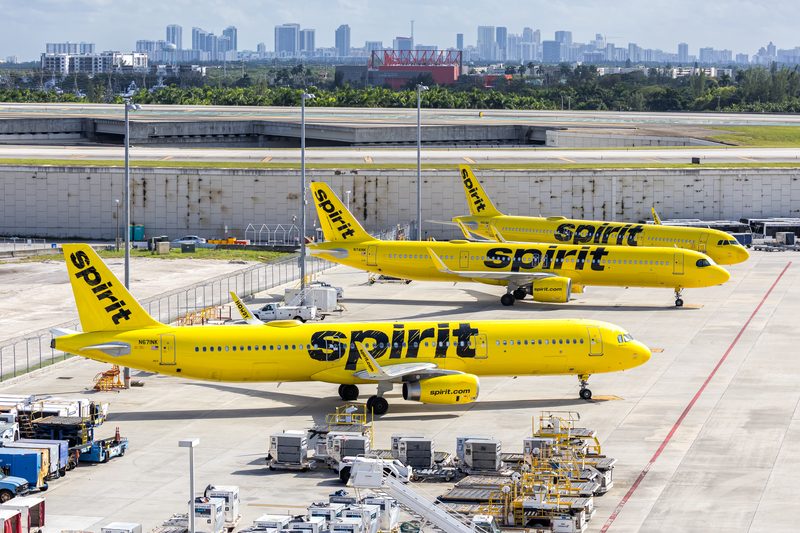
Spirit ceased operations on May 2, 2026, grounding its flights and moving into liquidation after rescue talks failed.
The airline and related reporting have made clear that customers who paid by credit or debit card should receive refunds automatically, but vouchers, credits, and Free Spirit points are a different story. Those claims are now tied to the bankruptcy process rather than immediate cash recovery.
That distinction matters enormously. Credit-card ticket holders may have a direct path to reimbursement. Loyalty members do not. Their balances are now effectively unsecured claims attached to a dead airline, and historically those claims sit very low in the recovery hierarchy when a carrier is wound down.
Free Spirit Was Built Into Spirit’s Whole Revenue Model
This is why the shutdown hits especially hard on the loyalty side.
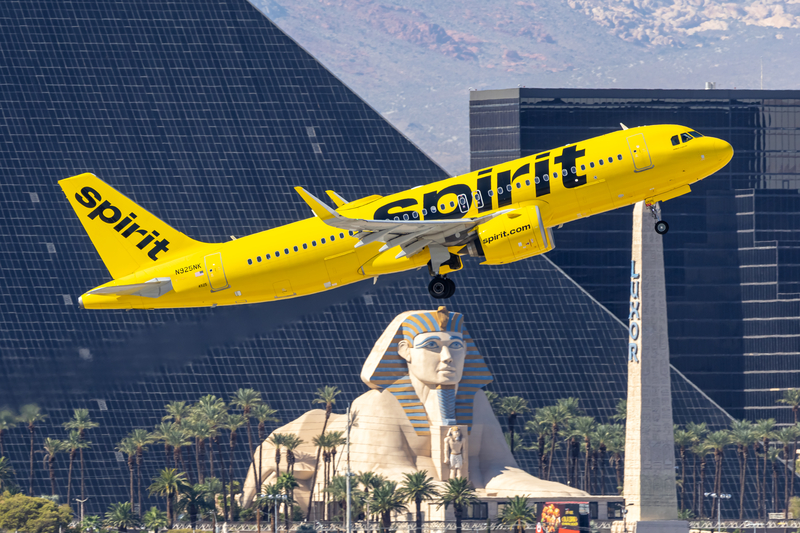
Spirit’s Free Spirit program was not some peripheral marketing add-on. It was deeply tied into the airline’s wider ultra-low-cost strategy. Customers earned points not just through flight purchases, but through the very extras that defined Spirit’s business model: baggage fees, seat assignments, fare bundles, and co-branded card spending. That made the program feel more active and more embedded in the airline’s day-to-day economics than some casual observers may have realized.
But that same integration had a downside. Unlike loyalty currencies tied to huge alliance ecosystems or transferable points networks, Free Spirit had relatively limited flexibility once the airline stopped flying. There was no broad secondary life for those balances. When Spirit disappeared, the points largely lost their practical use with it.
Why This Promotion Has Landed So Well Online
The Papa Johns campaign has worked because it turns a complicated and frustrating consumer-finance problem into a very simple exchange.
People understand instantly what is happening: a loyalty currency that can no longer buy flights can, at least briefly, buy dinner. That is why the promotion has spread so quickly across aviation and consumer-news circles. It is funny, but it is also brutally effective as commentary. It highlights how quickly “valuable” airline points can become effectively worthless when the airline behind them disappears.
For former Spirit customers, the pizza is not meaningful compensation in financial terms. But it is one of the very few concrete, immediate redemptions available right now.
It Also Exposes A Loyalty Truth The Industry Usually Tries To Avoid
Airlines love to market loyalty points as assets, experiences, and future travel opportunities. What they emphasize less often is that those points are ultimately only as durable as the issuing carrier and the legal structure behind the program.
At the largest airlines, loyalty ecosystems can seem almost bank-like in resilience because they are backed by giant route networks, alliance relationships, and credit-card partnerships. At a smaller standalone airline, the risk is different. When the airline fails, the points can lose utility almost instantly. Spirit’s collapse is now a textbook case of that vulnerability.
Papa Johns Moved Faster Than The Travel Industry Did
Another reason the promotion stands out is speed.
The restaurant chain moved quickly to create a public-facing offer while many former Spirit customers were still trying to understand what would happen to their flights, credits, and points. In that sense, Papa Johns got to the emotional core of the story faster than much of the airline industry itself: customers want to know whether the things they earned still mean anything. For most Spirit points, the answer is still unclear. For 250 people, the answer is now at least a pizza.
Bottom Line
Papa Johns’ “Skies to Pies” promotion is a clever marketing move, but it also captures something painfully real about airline loyalty. Spirit’s shutdown left Free Spirit balances with little immediate redemption value, and now one of the clearest uses for those points is a one-time pizza giveaway for a handful of members.
That is why the promotion has struck such a nerve. It is not just funny. It is a sharp illustration of what happens when a loyalty currency outlives the airline that issued it.
Keep reading FlyMag
Get the Daily Brief in the morning or the Route Watch weekly recap on Fridays. Or both.