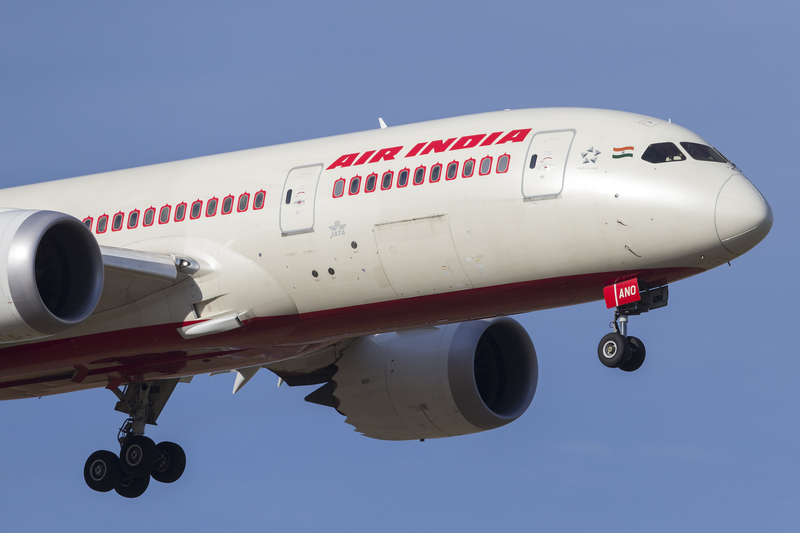
Air India is temporarily suspending three U.S. routes and reducing service on several others, a significant pullback that shows just how severely higher fuel costs and restricted airspace are now affecting its long-haul network.

The airline says the changes are part of a broader international rationalization running from June through August 2026. For North America, the most important cuts are clear: Delhi–Chicago, Delhi–Newark, and Mumbai–New York JFK will all be suspended during that period.
For aviation readers, this is not just a schedule adjustment. It is a sign that Air India’s long-haul economics have become difficult enough that even major U.S. routes are no longer being protected.
Read our stories in your inbox
Two aviation newsletters. Zero fluff.
The Three U.S. Suspensions Are Significant
The routes being paused are:
These are not fringe markets. They are important North American links in Air India’s network, and suspending them shows the airline is now willing to cut deeply into long-haul flying if the economics do not hold.
That matters because carriers usually try hard to preserve major U.S. routes, even during difficult operating periods. When an airline starts removing routes like these, it is a strong indication that cost pressure has gone beyond routine seasonal adjustment.
Air India Is Not Walking Away From The U.S. Entirely
The airline is not abandoning the U.S. market.
Instead, it is reshaping how it serves it. Air India says Delhi–San Francisco will be reduced from 10 weekly flights to 7 through August. At the same time, Delhi–New York JFK will continue at 7 weekly flights, and Mumbai–Newark will be increased from 3 weekly flights to daily.
That is important because it shows this is a reallocation, not a full retreat. Air India is trying to preserve a core North American footprint while cutting the routes that appear less viable under current conditions.
Fuel And Airspace Are The Main Drivers
Air India has been explicit that the decision is driven by a combination of:
- continued airspace restrictions
- record high jet fuel prices for international operations
That explanation makes sense. Indian airlines are currently flying longer routings to Europe and North America because of restrictions linked to Iranian airspace and the continued closure of Pakistani airspace to Indian carriers. Those detours increase flight time, fuel burn, and operating complexity.
For a long-haul airline, that can dramatically change route economics. A service that works under normal conditions can quickly become much harder to justify when every rotation becomes longer and more expensive.
Canada Is Also Being Hit
The North American changes go beyond the United States.
Air India is also reducing:
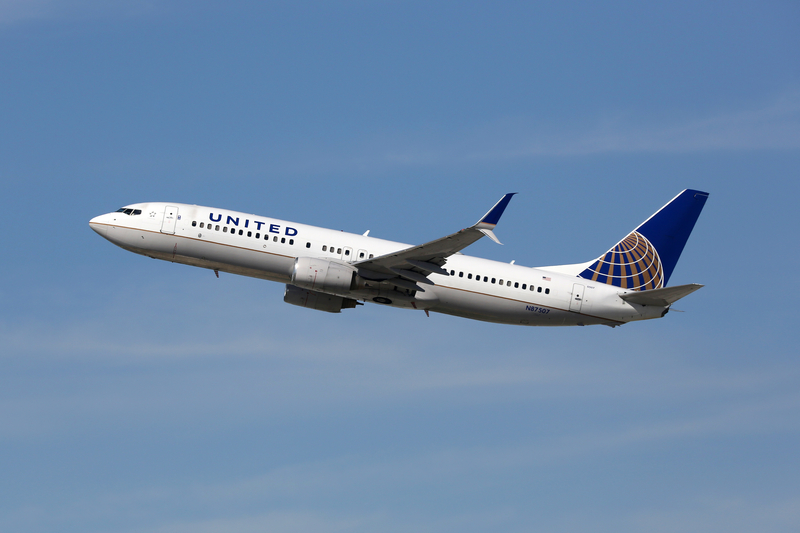
- Delhi–Vancouver from 7 weekly to 5 weekly
- Delhi–Toronto from 10 weekly to 5 weekly through July, before restoring it to daily in August
That reinforces the point that this is not a route-specific issue tied only to the U.S. It is a wider North American pullback shaped by cost and airspace pressure across the long-haul network.
This Is Part Of A Much Bigger International Reduction
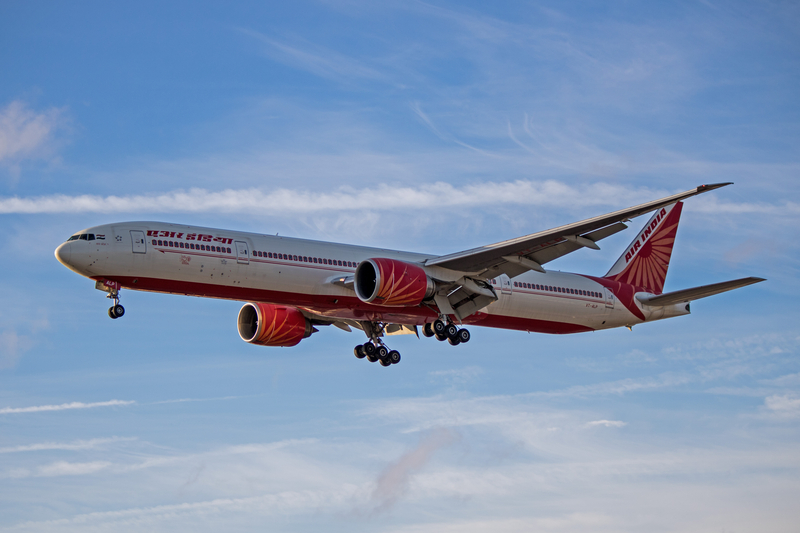
The U.S. suspensions are only one part of the wider picture.
Air India is also cutting or suspending service to destinations in Europe, Asia, Australia, and the Gulf, which makes clear that management is trying to protect the airline’s overall finances rather than defend every individual market. The strategy seems to be to reduce flying where costs have become most punitive and preserve only the routes that still justify the aircraft time and fuel burn.
That is a classic network-defense move in a stressed operating environment.
The Bigger Meaning Is About Financial Pressure
This schedule change also fits the broader financial pressure already building around the airline.
Air India has been reporting heavy losses, and earlier reporting showed management discussing furloughs, lower bonuses, executive pay cuts, and capacity reductions. These U.S. suspensions make those discussions look more concrete. They show that the airline is no longer just preparing for a harsher environment. It is already adapting to one.
Bottom Line
Air India’s temporary suspension of Delhi–Chicago, Delhi–Newark, and Mumbai–New York JFK from June through August 2026 is a major sign of how sharply fuel and airspace restrictions are now affecting long-haul operations.
The airline is still maintaining a U.S. presence through routes such as Delhi–JFK, Delhi–San Francisco, and a stronger Mumbai–Newark operation, but the message is clear: even major U.S. markets are no longer immune when the cost of flying rises this much.