Southwest Airlines will restore nonstop service between San Jose (SJC) and Orlando (MCO) for the 2026 holiday season, returning to a transcontinental market that has not had regular Southwest nonstop service for several years.

The seasonal service published by SJC begins November 21 and runs through January 1, 2027. Rather than operating as a conventional daily or weekly seasonal route, the flights are concentrated on selected peak holiday dates.
That distinction matters. Southwest is not rebuilding the year-round schedule it previously operated between the two cities. It is inserting nonstop capacity when Thanksgiving, Christmas and New Year demand is strongest, giving the airline a limited-risk way to test the market while improving aircraft utilization on days with unusually heavy leisure traffic.
Read our stories in your inbox
Two aviation newsletters. Zero fluff.
Part of Southwest’s Orlando Expansion
The San Jose flights form part of a broader increase in Southwest’s Orlando schedule. In its holiday schedule announcement, the airline identified San Jose as one of several cities receiving seasonal MCO service in late 2026.
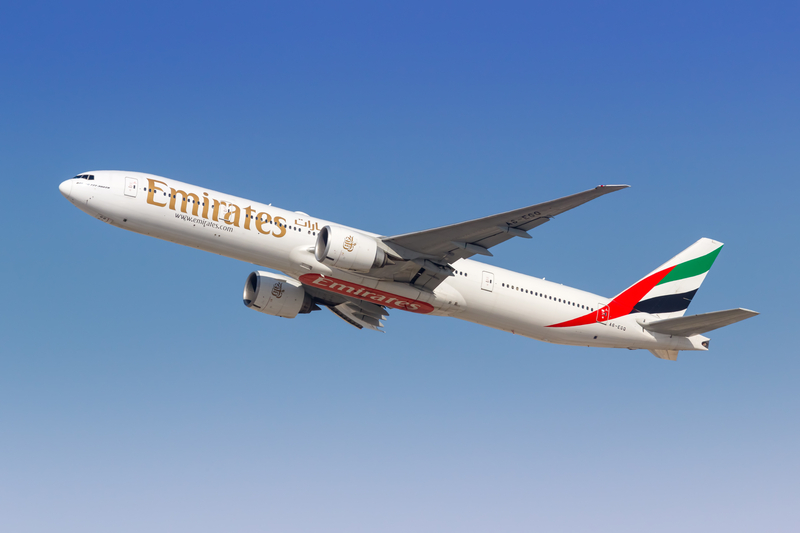
Southwest said it has developed seven distinct operating schedules for November and December rather than applying the same timetable throughout the period. That allows the carrier to move aircraft and crews toward the strongest travel days. Its network is scheduled to exceed 4,600 departures on Sunday, November 29, the return day after Thanksgiving.
At Orlando, Southwest plans as many as 197 round trips on the highest-demand days. San Jose’s limited operation fits that peak-day strategy: it adds a long nonstop from Northern California without committing an aircraft to the route throughout the entire winter schedule.
The Southwest route page lists the airport-to-airport distance at 2,421 miles. Eastbound block time is around six hours, putting SJC-MCO among the longer domestic sectors in the airline’s network. The nonstop removes the need for a connection at airports such as Denver, Phoenix, Las Vegas or Dallas Love Field, which becomes particularly valuable during congested holiday travel periods.
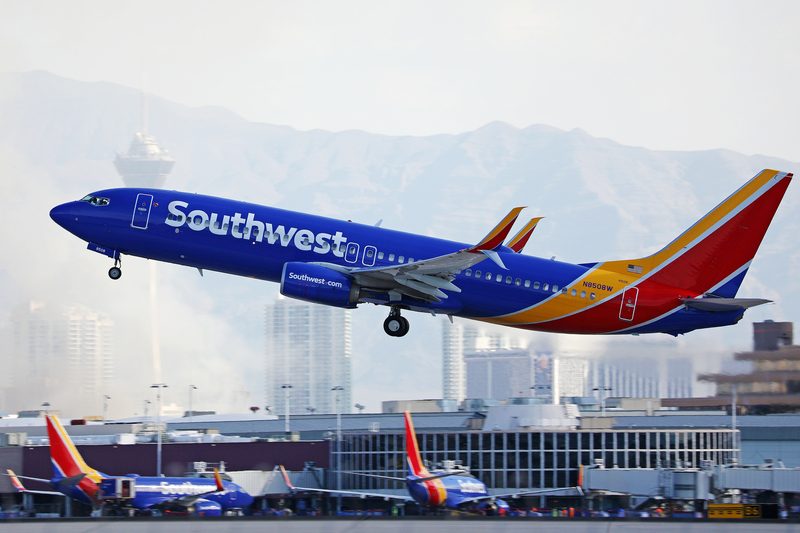
A Route First Opened in 2018
Southwest first entered the market on May 6, 2018, as part of a large expansion at SJC. The original service operated daily and was one of eight destinations added by the carrier from San Jose that spring.

According to the airport’s 2018 inaugural service announcement, the eastbound flight left SJC at 11:40 a.m. and reached Orlando at 7:45 p.m. The westbound sector departed MCO at 8:15 a.m. and arrived in San Jose at 11 a.m., with an average journey time of approximately five hours and 30 minutes.
The route was significant because it gave Silicon Valley and the South Bay a direct link to Central Florida rather than requiring travelers to use another Bay Area airport or connect elsewhere in Southwest’s network. The 2026 return is considerably narrower, but it restores that same nonstop option on dates when family and vacation traffic is likely to be strongest.
Southwest remains a major operator at SJC, where its flights use Terminal B. Orlando, however, is not being restored to the carrier’s regular year-round list of nonstop destinations from the airport. The limited schedule should therefore be viewed as targeted holiday flying rather than a full route relaunch.
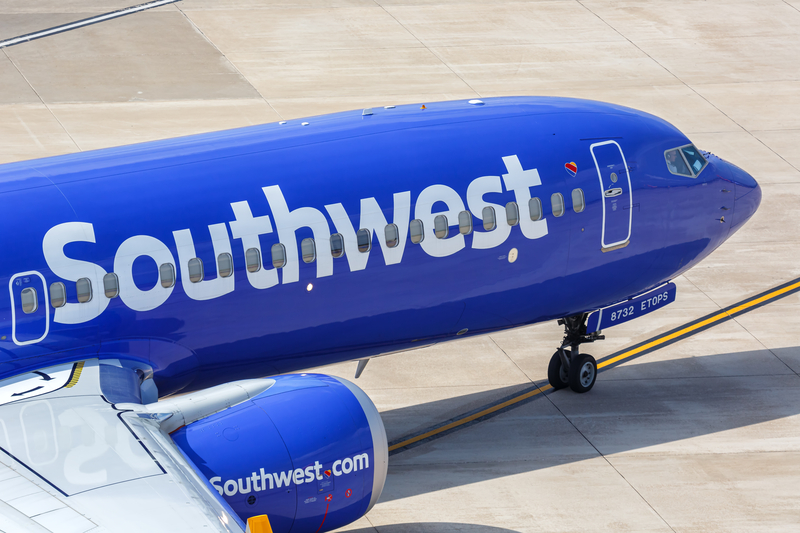
Boeing 737s Will Cover the Long Sector
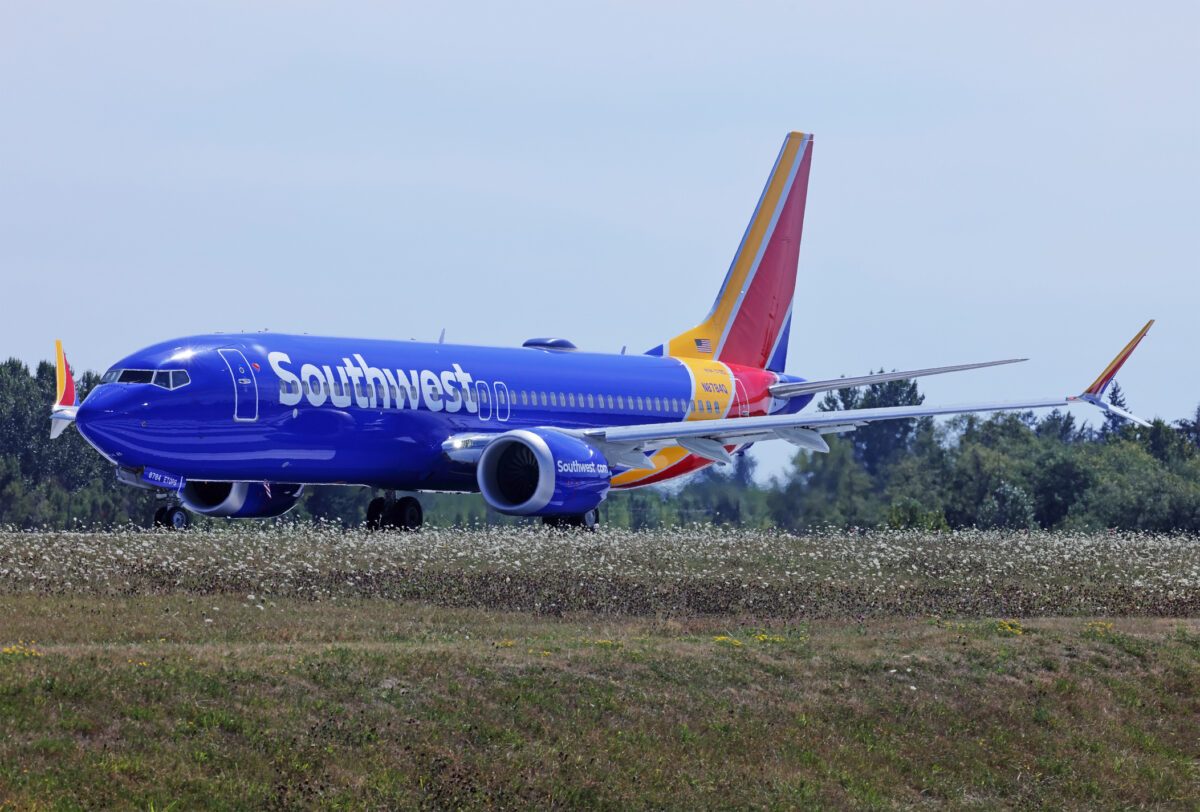
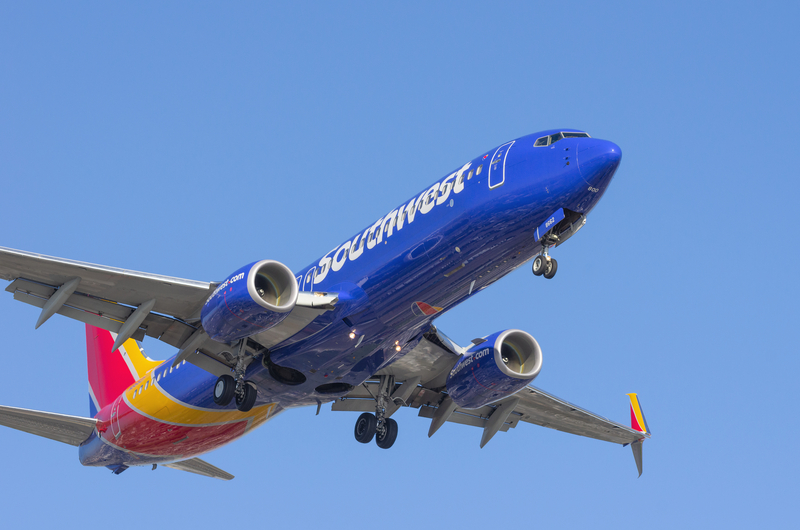
The service sits within Southwest’s all-Boeing 737 operation. The airline entered 2026 with 803 aircraft, comprising the Boeing 737-700, Boeing 737-800 and Boeing 737 MAX 8, according to its corporate fleet fact sheet.
Southwest’s reconfigured 737-700s seat 137 passengers, while its 737-800s and 737 MAX 8s seat 175. The larger variants are particularly well suited to a 2,421-mile leisure route because they place more seats behind the same cockpit and spread the cost of the long stage across a larger passenger base.
The 737 MAX 8 also offers the range and fuel efficiency appropriate for transcontinental flying, while both 175-seat variants give Southwest more capacity for peak outbound and return dates. Aircraft assignments can change as the operation approaches, especially in a holiday schedule designed around day-specific demand.
Passengers will encounter a different Southwest product from the one offered when SJC-MCO launched in 2018. The airline introduced assigned seating, extra-legroom options and a group-based boarding process in January 2026. The 2026 holiday flights will therefore operate under Southwest’s revised cabin and fare model rather than its former open-seating system.
A Focused Bet on Holiday Demand
The short operating window limits Southwest’s exposure in a market defined primarily by leisure demand. A daily transcontinental route ties up substantial aircraft time and must generate traffic in both directions throughout the week. A handful of flights around major holidays faces a lower hurdle, particularly when the airline can time capacity around known peaks.
For SJC, the service restores one of the longest routes in its domestic network and adds a nonstop option to a market otherwise reached primarily through connections. For Southwest, it extends the reach of its growing MCO operation while using San Jose’s established customer base and airport presence.
Bottom Line
Southwest’s decision is more revealing as a scheduling move than as a conventional route launch. The airline is using different timetables for individual holiday days, allowing it to sell nonstop service where demand supports it without carrying underperforming frequencies through quieter parts of the season. San Jose-Orlando is a natural candidate for that approach: it is long enough for a nonstop to carry meaningful value, but heavily weighted toward discretionary leisure traffic.
The immediate winners are South Bay travelers whose trips coincide with the operating dates. They gain a direct Central Florida flight without driving to another Bay Area airport or connecting through Southwest’s western network. The limited frequency, however, means the value depends on itinerary flexibility rather than broad schedule utility.
The route’s performance will be worth watching after January 1. Strong bookings could support another set of peak-period flights, a longer seasonal window or an eventual recurring pattern. For now, Southwest is treating SJC-MCO as precision capacity: a large-aircraft, long-stage deployment aimed at the busiest days rather than a permanent addition to the San Jose map.