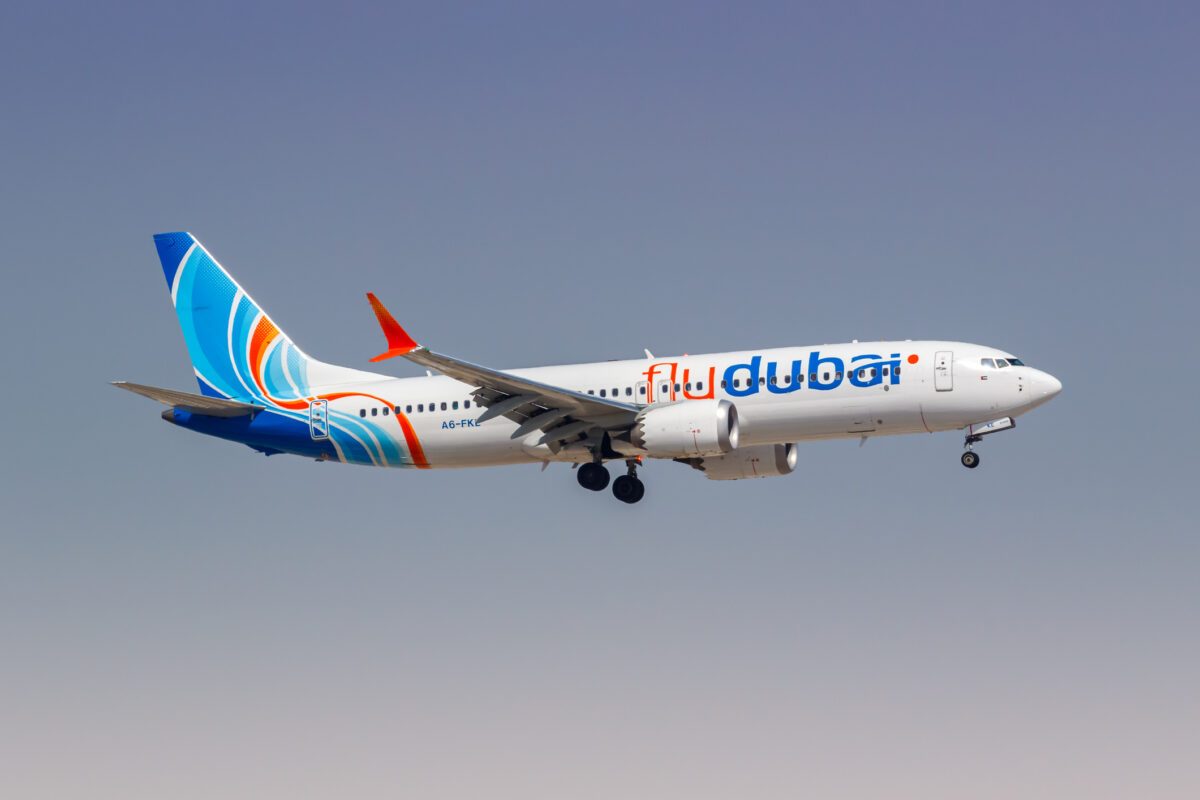
flydubai has started nonstop flights between Dubai International (DXB) and Pokhara International (PHH), giving western Nepal its first direct scheduled link with the United Arab Emirates.


The new service begins Wednesday, September 23, and operates from Terminal 3 at DXB. It is flydubai’s second current destination in Nepal after Kathmandu (KTM) and the first scheduled route linking Pokhara directly with Dubai.
The airline’s launch plan published in June called for daily flights. Its live booking page on September 23, however, lists five nonstop flights per week. The route remains timed around the same midday departure from Dubai and evening return from Pokhara.
Read our stories in your inbox
Two aviation newsletters. Zero fluff.
Dubai-Pokhara Schedule
Flight FZ1165 is scheduled to leave DXB at 12:00 p.m. and arrive at PHH at 6:15 p.m. local time. The return flight, FZ1166, departs Pokhara at 7:15 p.m. and reaches Dubai at 10:00 p.m.
Nepal is one hour and 45 minutes ahead of Dubai, producing a scheduled block time of four hours and 30 minutes in each direction. flydubai lists the sector at 2,860 kilometers, placing it comfortably within the operating envelope of the airline’s Boeing 737 fleet.
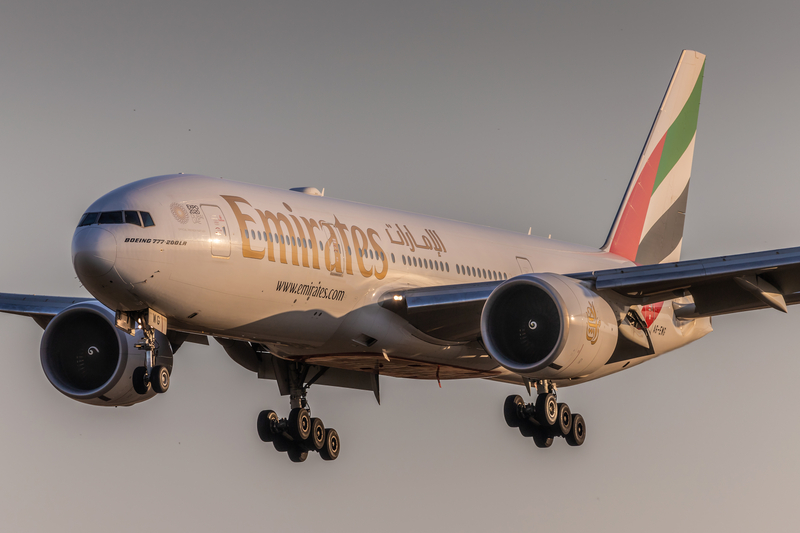
The service carries an Emirates codeshare, allowing passengers to book connecting itineraries over Dubai with through-checked baggage. Operating from Terminal 3 also puts the flight within the same terminal complex used by Emirates, an important part of the proposition for traffic originating beyond the UAE.
flydubai is targeting a mix of point-to-point demand, visiting-friends-and-relatives traffic and connections from the Gulf, Europe and the wider Middle East. Pokhara is Nepal’s principal access point for the Annapurna region, but the route also avoids the domestic connection or lengthy surface journey previously required after arrival in Kathmandu.
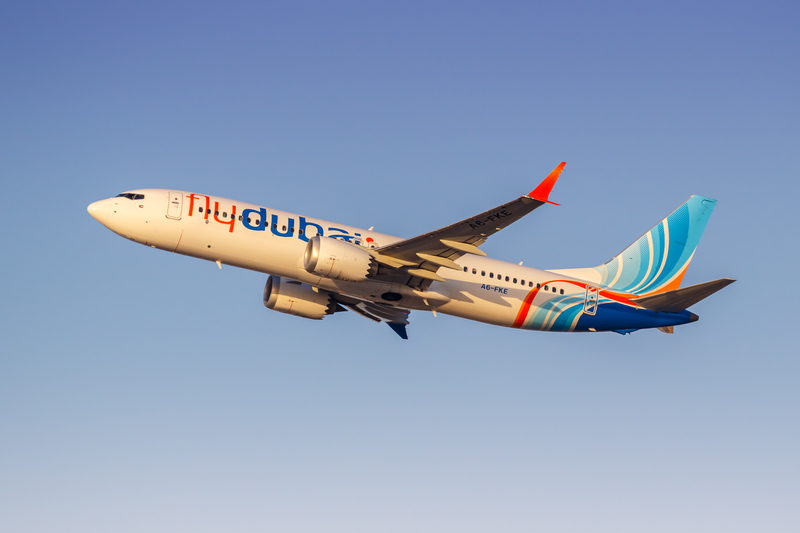
A Second Current Gateway in Nepal
flydubai entered Nepal in 2009 with service to Kathmandu. The carrier says it has transported approximately four million passengers to and from the country since then, while its Nepal seat capacity has grown more than twelvefold. Kathmandu frequencies have reached as many as five flights a day during peak periods.
The airline has tested secondary gateways before. In November 2024, it opened service to Bhairahawa (BWA), with the outbound flight operating nonstop from Dubai and the return routing through Kathmandu. flydubai’s 2026 announcement identifies Pokhara as its second Nepal destination, placing the new route alongside Kathmandu in the current network.
Pokhara differs from the earlier Bhairahawa operation in one significant respect: both directions are scheduled nonstop. That removes the Kathmandu stop on the westbound journey and gives PHH a standalone international link capable of feeding flydubai and Emirates services at DXB.
The route also broadens Nepal access without adding further international traffic at Kathmandu. For passengers traveling to western Nepal, the value lies less in the relatively modest distance between Kathmandu and Pokhara than in avoiding a transfer between international and domestic services, where weather and congestion can disrupt itineraries.
A 737 Route Into Challenging Terrain
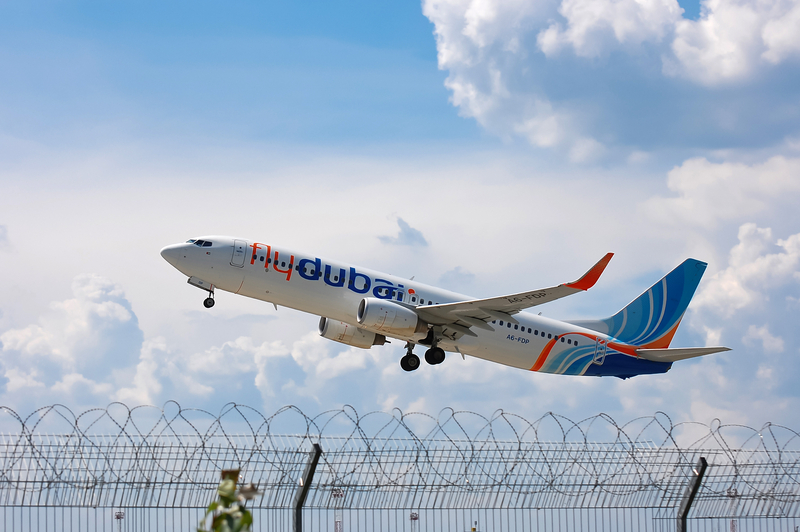
flydubai operates an all-Boeing 737 fleet. At the time it announced Pokhara, the carrier listed 25 Boeing 737-800s, 69 Boeing 737 MAX 8s and four Boeing 737 MAX 9s, making the MAX 8 by far its largest subfleet.
The airline’s 166-seat Boeing 737 MAX 8 configuration has 10 lie-flat Business Class seats and 156 Economy Class seats. Boeing gives the 737-8 a nominal range of up to 3,500 nautical miles, substantially more than required for the Dubai-Pokhara sector. On this route, runway performance and the airport environment matter more than maximum still-air range.
PHH sits at roughly 2,600 feet above sea level in terrain that constrains approach and departure options. The Civil Aviation Authority of Nepal’s aeronautical information publication gives the airport a 2,500-meter by 45-meter runway designated 12/30. The field was developed for narrowbody operations, including members of the Boeing 737 and Airbus A320 families.
The combination of runway length, elevation and surrounding terrain makes Pokhara a more operationally specialized destination than Kathmandu or a typical Gulf station. The approximately four-and-a-half-hour sector nevertheless fits the role for which flydubai has built its 737 network: connecting relatively thin city pairs directly to Dubai without the capacity commitment of a widebody.
Network Expansion Through Dubai
Pokhara joins a flydubai network of more than 125 destinations. In a September network update, the airline said it was operating an average of about 2,200 weekly flights and had restored service to 85% of its network following earlier disruption.
The Pokhara schedule is structured around connections rather than an overnight aircraft stop in Nepal. The one-hour turn at PHH keeps the aircraft moving while the midday Dubai departure offers access from morning arrivals into DXB. The late-evening return similarly feeds overnight departures to Europe and other points across the combined flydubai and Emirates network.
For Nepal, the route represents a rare scheduled international operation outside Kathmandu. Its commercial test will be whether direct tourism and labor traffic, supplemented by connecting passengers, can sustain year-round narrowbody capacity rather than only seasonal or charter flying.
Bottom Line
Pokhara gains more than a nonstop flight to the UAE. The Emirates codeshare and Terminal 3 operation give the city access to a much larger distribution system, allowing passengers to reach PHH on a single itinerary from markets that could not support their own Nepal service. That is the difference between an isolated regional route and a link integrated into a global hub.
For flydubai, Pokhara is another example of using the 737 to open a market below the capacity threshold of Emirates’ widebody fleet. The route complements high-frequency Kathmandu service rather than attempting to replace it, while giving the group a second point through which it can distribute Nepal-bound traffic.
The immediate measure will be frequency. flydubai announced daily service but is currently showing five weekly flights, suggesting that capacity will be adjusted closely to bookings and operating conditions. If the route develops beyond its tourism peaks, it could establish PHH as a durable scheduled international gateway and encourage more hub carriers to evaluate service outside Kathmandu.
Keep reading FlyMag
Get the Daily Brief in the morning or the Route Watch weekly recap on Fridays. Or both.